On this page
- Why Valencia Works as a Beach City
- Best Beach Neighbourhoods
- The Beaches Ranked: Where to Put Your Towel
- Where to Eat by the Sea
- Getting to the Sand
- Day Trips to Wilder Coastline
- Sunset, Nightlife and Evening Entertainment
- Shopping Before and After the Beach
- Where to Stay by Budget
- Best Time to Visit
- Practical Beach Tips
- 2026 Budget Breakdown
- Frequently Asked Questions
💰 Click here to see Spain Budget Breakdown
💰 Prices updated: November, 2026. Budget figures are estimates — always verify before travel.
Exchange Rate: $1 USD = €0.89
Daily Budget (per person)
Shoestring: €50.00 – €70.00 ($56.18 – $78.65)
Mid-range: €130.00 – €180.00 ($146.07 – $202.25)
Comfortable: €200.00 – €350.00 ($224.72 – $393.26)
Accommodation (per night)
Hostel/guesthouse: €15.00 – €50.00 ($16.85 – $56.18)
Mid-range hotel: €70.00 – €130.00 ($78.65 – $146.07)
Food (per meal)
Budget meal: €7.00 ($7.87)
Mid-range meal: €25.00 ($28.09)
Upscale meal: €80.00 ($89.89)
Transport
Single metro/bus trip: €1.50 ($1.69)
Monthly transport pass: €60.00 ($67.42)
Every summer, the same problem repeats: visitors pick the beach closest to their hotel, find it packed from 11:00, and decide Valencia’s coast is “fine, but crowded.” That is a mistake, not a fact. The city has around 20 km of sand within its municipality, from the lively promenade at Malvarrosa to the pine-backed dunes of El Saler. With record visitor numbers in 2025 and 2026 looking just as busy, knowing which stretch suits your day matters more than ever. This guide sorts them out, with real prices, real transport details and the small habits locals use to get the best of the Mediterranean.
Why Valencia Works as a Beach City
Most Spanish beach destinations make you choose: a real city or a real beach. Valencia gives you both. You can see the Gothic Silk Exchange at 09:30, be on the sand by 12:00, and eat paella with your feet almost in the water at 14:30. The beach is not a resort bolted onto a town. It is part of the city’s daily life, and you will see office workers jogging along the Malvarrosa promenade at 07:30 and grandparents playing cards at beach-side tables in the evening.
The sand is fine and golden, the slope into the water is gentle, and the sea is usually calm. Storms are rare, and waves are mostly small. You will not find dramatic cliffs or turquoise coves here. What you get is space, easy access and a very local atmosphere. Families, university students, cyclists and retirees all share the same long coastline, and each group has its own favourite patch.
One note on context: the October 2024 floods devastated several towns south of the city. The beaches themselves, including Pinedo and El Saler, were cleaned and reopened, and the coast is fully operating in 2026. Some inland suburbs are still rebuilding, so if you pass through them, be respectful and keep photography to the coast.
Best Beach Neighbourhoods
Choosing the right neighbourhood decides how your beach days feel. Here is how the main areas differ.
Cabanyal-Canyamelar: Tiled Houses and Local Life
Cabanyal is the old fishermen’s quarter, a grid of low houses with colourful tiled facades, a few streets from the sand. It suits travellers who want atmosphere over polish. The streets are lively, the bars are cheap and you can walk to the beach in 10 minutes. It is slightly rough around the edges in places, and that is part of its appeal.
Malvarrosa and Las Arenas: The Classic Seafront

This is the postcard Valencia beach: a wide promenade, restaurants lined up along Paseo Neptuno and long stretches of sand. It suits first-timers, families and anyone who wants to step out of their door and be on the beach. Casa Museo Blasco Ibáñez sits right on the promenade, a quiet cultural stop between swims.
Patacona and Alboraya: The Relaxed North
Just north of the city boundary, Platja de la Patacona feels like a small seaside town. It is calmer than Malvarrosa, with more of a neighbourhood feel and plenty of cafés. Alboraya is also the home of horchata, the sweet tiger-nut drink, so you can combine a morning swim with a proper local snack.
Pinedo, El Saler and the South: Nature and Space
South of the port, the coast becomes quieter and greener. Pinedo is a small village by the sea with family restaurants. El Saler, inside the Albufera Natural Park, has pine forest, dunes and wide beaches. This area suits nature lovers, cyclists and anyone who hates crowds. It is not for people who want a bar within 20 steps.
The Beaches Ranked: Where to Put Your Towel
1. Platja de la Malva-rosa: Best All-Rounder
Malvarrosa is the city’s signature beach: about a kilometre of wide, soft sand, good lifeguard coverage, showers and a long promenade behind it. The painter Joaquín Sorolla made the light here famous, and on a bright morning you can see why. It gets busy in July and August, especially on weekends, but the width of the beach absorbs the crowds better than you would expect. Come before 10:30 for the best spot.
2. Platja de Las Arenas: Best for Walks and Facilities
Connected to Malvarrosa by the same sandy sweep, Las Arenas is slightly more polished. The old Balneario de las Arenas building anchors the area, and the promenade is lined with restaurants. The sand is gently sloping, which makes it a good option for children and less confident swimmers.
3. Platja del Cabanyal: Best for Local Atmosphere
Closest to the port, this is the beach where Valencians go after work. Volleyball nets, kids’ football and fishermen’s boats give it a lived-in feel. It is a great choice if you are staying in Cabanyal and want a real neighbourhood experience, not a resort scene.
4. Platja de la Patacona: Best for a Calmer Day
Patacona is a little narrower than Malvarrosa but noticeably more relaxed. You will hear more children than music, and the promenade has a village feel. It is a good compromise: beach-town calm with a 20-minute tram ride to the city.

5. Platja de Pinedo: Best for a Local Lunch
Pinedo is wide, less developed and popular with families from the area. There are fewer beach services than in the north, but the nearby restaurants are excellent for a long lunch. The sea feels slightly less busy, and parking is easier than at Malvarrosa.
6. El Saler and La Devesa: Best for Space and Nature
El Saler is the one to choose if you want to escape. A pine forest separates the beach from the road, dunes roll behind the sand and the water often feels cleaner and quieter. Walk 10 minutes from the access points and you can find a patch almost to yourself. Bring water, food and sun protection, because services are limited. At sunset, the pines turn amber and you can smell resin mixing with salt air, a combination hard to find on the more developed beaches.
Where to Eat by the Sea
The beachfront has good food, but it also has tourist traps. Knowing where to look matters.
- Paseo Neptuno (Las Arenas): The famous promenade for paella and rice dishes. La Pepica is the historic name here, with decades of history and a loyal crowd. Expect €20–€28 per person for a rice dish with a starter and drink.
- Mercado del Cabanyal: A neighbourhood market for fresh fish, cheese and fruit. It is a good place to buy beach picnic supplies and see local shopping habits. Go before 14:00, as stalls close in the afternoon.
- Cabanyal’s side streets: Casa Montaña, a classic bodega, and Bodega La Pascuala, known for its bocadillos, are among the better-known spots for tapas and sandwiches at fair prices. Expect €2–€5 for a bocadillo and €3–€6 for a tapa.
- Pinedo’s village restaurants: Family-run places serving rice dishes cooked over orange wood. Prices are often €16–€22 per person, with better value than the north.
- Alboraya horchaterías: A glass of horchata with fartons (soft, sweet pastries) costs around €3–€5 and is the classic after-swim treat.
- El Palmar: A small village in the Albufera, famous for rice dishes and eel stews. It is a short drive or bus ride from El Saler and works well as a beach-plus-lunch combination.
Getting to the Sand
You do not need a car for most of Valencia’s beaches. Public transport is simple and cheap.
- Metrovalencia tram and metro: Several lines run to the coast, with stops such as Neptú and Dr. Lluch close to the sand. Journeys from the centre take about 20–25 minutes. A single ticket costs roughly €1.50–€2, and the contactless and SUMA card options make it easier since the fare reforms of recent years. Check the Metrovalencia app for the best line from your stop.
- EMT city buses: Bus 19 links the centre with Malvarrosa. Services such as buses 24 and 25 run south toward El Saler and Pinedo, with frequency increased in summer. Check timetables on the EMT app, as routes can change by season.
- Valenbisi and bike rental: The city’s bike-sharing network covers the centre and some coastal areas. Rentals cost around €10–€18 per day. The Turia riverbed park leads to the coast on a safe, flat cycle route of about 9 km, and the ride takes 35–45 minutes. Cycling to El Saler along the Albufera paths is popular but flat and exposed, so start early.
- Taxi and ride-hailing: A taxi from the city centre to Malvarrosa costs roughly €12–€18. To El Saler, expect €25–€35. Taxis are a good choice late at night or when carrying lots of gear.
- From the airport: Valencia Airport connects by Metrovalencia lines 3 and 5 to the city, and you can change for the coast. A taxi from the airport to the beachfront costs about €25–€35.
- Walking: From Cabanyal to Malvarrosa you can walk the full seafront in 30–40 minutes. The promenade is flat and shaded in places.
Day Trips to Wilder Coastline
If you have three or four beach days, one of these trips adds variety.
Albufera Natural Park and El Palmar (half day)
About 15 km from the city, this freshwater lagoon is surrounded by rice fields and wetlands. A short boat trip at sunset costs around €6–€10 per person, and the sky turns orange and pink over the water. Combine it with a swim at El Saler and lunch in El Palmar. Allow 4–6 hours.
Cullera (full day)
About 40 km south, Cullera has wide sandy beaches, a hilltop castle and a mix of Spanish holidaymakers and international visitors. The Cercanías train takes around 35–45 minutes. It feels more like a classic resort town than Valencia, with more apartment blocks and beach bars.

Gandia (full day)
About 65 km south, Gandia has one of the widest beaches on the Valencian coast, with shallow, warm water. Trains take roughly an hour. It is popular with Spanish families and suits anyone who wants long, easy beach time.
Sagunto and Canet d’en Berenguer (half to full day)
To the north, Sagunto has a Roman theatre and a hilltop fortress, and nearby beaches such as Canet d’en Berenguer are quiet and uncrowded. A train from Valencia takes about 25–30 minutes to Sagunto, then a local bus or taxi reaches the sand. It works well if you want a history and swimming combination.
Return train fares on the Cercanías network are usually in the €4–€10 range depending on distance, so these trips are cheap if you skip the car.
Sunset, Nightlife and Evening Entertainment
Valencia’s beaches are not a party strip like some Spanish resort coasts, which is a plus for many visitors. Evenings are social and relaxed, with the occasional DJ set.
- Sunset on the promenade: From Malvarrosa, the sun sets behind the city, so the beach glows pink and gold for the last hour. Pick a chiringuito terrace and order a vermouth or a spritz. Drinks cost €4–€8.
- Marina de València: The old America’s Cup harbour has terraces, bars and the striking Veles e Vents building. It is good for cocktails with a view of the boats, especially on warm evenings.
- Cabanyal bars: Along the streets near the Plaça de la Creu del Canyamelar and Carrer de la Reina, small bars spill onto the pavements. You will hear laughter, football on TV and the clink of glasses until late.
- Summer beach events: Many seafront venues host live music and DJ nights from June to September. Schedules change, so check venues’ social media.
- Flamenco and live music: Valencia’s flamenco scene is smaller than Seville’s, but you can find tablaos and live-music rooms in the old town. Most beach areas do not offer it.
The beaches are well lit along the main promenades, and the area is generally safe at night. Beach clubs and bars normally close by 02:00–03:00.
Shopping Before and After the Beach
Valencia is not a beach souvenir city, but it does have good shopping that fits a coastal trip.

- Calle Colón and the Eixample: The main shopping streets for Spanish high-street fashion. This is where to pick up swimwear, linen shirts and sandals at fair prices.
- Ruzafa: Independent boutiques, vintage shops and concept stores. Good for hats, bags and beach-friendly clothing from local designers.
- Valencian espadrilles (espardenyes): Traditional rope-soled shoes are cheap, comfortable and easy to find in the centre. Expect €15–€35.
- Beachfront stalls: Summer evenings bring craft stalls to some promenades, selling jewellery and handmade items. Prices can be flexible but aren’t usually open to hard bargaining.
- Supermarkets: Mercadona and Dia are inexpensive for water, fruit and snacks. A beach picnic for two costs about €10–€15.
Where to Stay by Budget
Valencia tightened short-term rental rules from 2024, so make sure any apartment shows a registered tourist licence number. A regional tourist tax has also been discussed, so check whether a nightly charge applies when you book.
Budget
Hostels and basic apartments in Cabanyal are the best value. Dorm beds cost about €25–€40 per night, and private rooms or small studios run around €60–€90. You will be close to the sand, with local bars and markets on your doorstep.
Mid-Range
Three- and four-star hotels and well-reviewed apartments in Malvarrosa, Las Arenas and Patacona sit in the €100–€170 range in high season. Hotel Neptuno and similar seafront properties are typical of this tier. Many include breakfast and some have rooftop pools.
Luxury
Las Arenas Balneario Resort is the leading option on the seafront, with spa facilities and direct beach access, and rooms usually start around €220–€350 in summer. Parador de El Saler offers a different luxury experience, with golf, pine forest and quiet beach access, at similar prices.
Staying close to the beach and commuting to the centre by tram works better than the reverse. The centre is hotter and noisier at night, while the coast often feels about 2–3°C cooler thanks to sea breezes.
Best Time to Visit
- May–June (best balance): Air temperatures of 24–29°C, sea temperatures of 19–23°C, long days and fewer crowds. This is the sweet spot for most visitors.
- July–August (peak): Hot at 30–34°C, with sea temperatures reaching 25–27°C. Beaches are busiest and prices are highest. Go to the sand early or after 17:00.
- September–early October (warm and calmer): The sea is at its warmest, around 24–26°C in September, and crowds thin out. Many locals say this is the best time for swimming.
- November–March (off-season): Mild, often sunny winter days around 14–18°C. Not for swimming, but good for walks and long lunches by the sea.

Festivals can shape your plans. Las Fallas (15–19 March 2026) fills the city with fireworks and noise, though the beaches stay quiet. Holy Week in 2026 begins around Easter on 5 April, and the Semana Santa Marinera in the seafront districts is a distinctive local tradition. On the night of 23 June, Sant Joan, thousands of people gather on the beaches for bonfires and midnight swims, which is one of the best-loved and busiest nights of the year.
Practical Beach Tips
- Flags: Green means safe, yellow means take care and red means no swimming. Lifeguards generally work from late spring through early autumn, so check which beaches are staffed.
- Safety: Petty theft happens on busy beaches. Do not leave bags unattended while swimming, and carry only what you need. Jellyfish appear occasionally in late summer, and lifeguards will post warnings.
- Tipping: Not required. Rounding up the bill or leaving 5–10% for good service is appreciated in restaurants.
- Language: Spanish and Valencian are both used. English is widely understood on the seafront, but a simple “hola” and “gracias” goes a long way.
- SIM cards and eSIMs: Prepaid SIMs from major providers cost around €10–€20 for a tourist plan. eSIMs are widely available and handy for checking tram and bus times.
- Water and shade: Tap water is safe to drink. Beach shade is limited at most spots, so bring an umbrella or rent one. Sunbed and umbrella rental typically costs €10–€20 per day where available, and many areas remain free, public sand.
- Siesta and opening hours: Shops often close 14:00–17:00 outside the main centre. Paella and rice dishes are mostly served at lunch, from 13:30 to 16:00, and many places do not offer them in the evening.
- Rules: Spanish towns increasingly restrict smoking and alcohol on beaches, so follow signs and local notices.
2026 Budget Breakdown
These are typical daily costs per person for a beach-focused stay, excluding flights.
Budget: €55–€80 per day
- Hostel bed or shared apartment: €25–€45
- Tram or bus fares: €3–€5
- Supermarket picnic and a tapas dinner: €15–€25
- Beach activities and extras: €5–€10
Mid-Range: €130–€200 per day
- Hotel or apartment (per person, shared double): €55–€90
- Paella lunch by the sea: €20–€28
- Dinner and drinks: €25–€40
- Transport, sunbed and activities: €15–€30
Comfortable: €260+ per day
- Seafront or resort hotel: €150–€250 per person in high season
- Restaurant lunches and dinners: €60–€100
- Private transfers, boat trips and beach club extras: €30–€60

Prices rise by roughly 20–30% in July and August, particularly for accommodation, so travel in May, June or September to stretch your budget.
Frequently Asked Questions
Which is the best beach in Valencia for first-time visitors?
Platja de la Malva-rosa is the best choice for first-timers. It has wide golden sand, lifeguards, showers, restaurants on the promenade and easy tram and bus links from the centre. It gets busy in summer, but arriving before 10:30 usually gives you a comfortable spot with plenty of space.
Can you reach Valencia’s beaches by public transport?
Yes. Metrovalencia trams reach the seafront in about 20–25 minutes from the centre, and EMT buses serve Malvarrosa, Pinedo and El Saler. A single fare costs roughly €1.50–€2. You do not need a car for most beach days, which makes visiting much easier and cheaper.
Is the sea in Valencia warm enough to swim?
Swimming is comfortable from late May through early October. Water temperatures reach about 19–23°C in late spring and peak at 25–27°C in August and September. Many locals swim until mid-October. Winter water is cold, around 13–15°C, and only confident swimmers or wetsuit users go in.
Are Valencia’s beaches clean and safe?
Valencia’s urban beaches are cleaned daily in season, and several have earned Blue Flag status in recent years, which can change annually. Lifeguards work in the main summer months, and flags show conditions. As in any busy place, keep valuables with you and avoid leaving bags unattended on the sand.
What is the quietest beach near Valencia?
El Saler and the neighbouring La Devesa dunes are the quietest accessible options. Walk 10 minutes from the main entrances and the crowds thin out. Pine forest, dunes and wide sand make it feel remote, but services are limited, so bring water, food and shade.
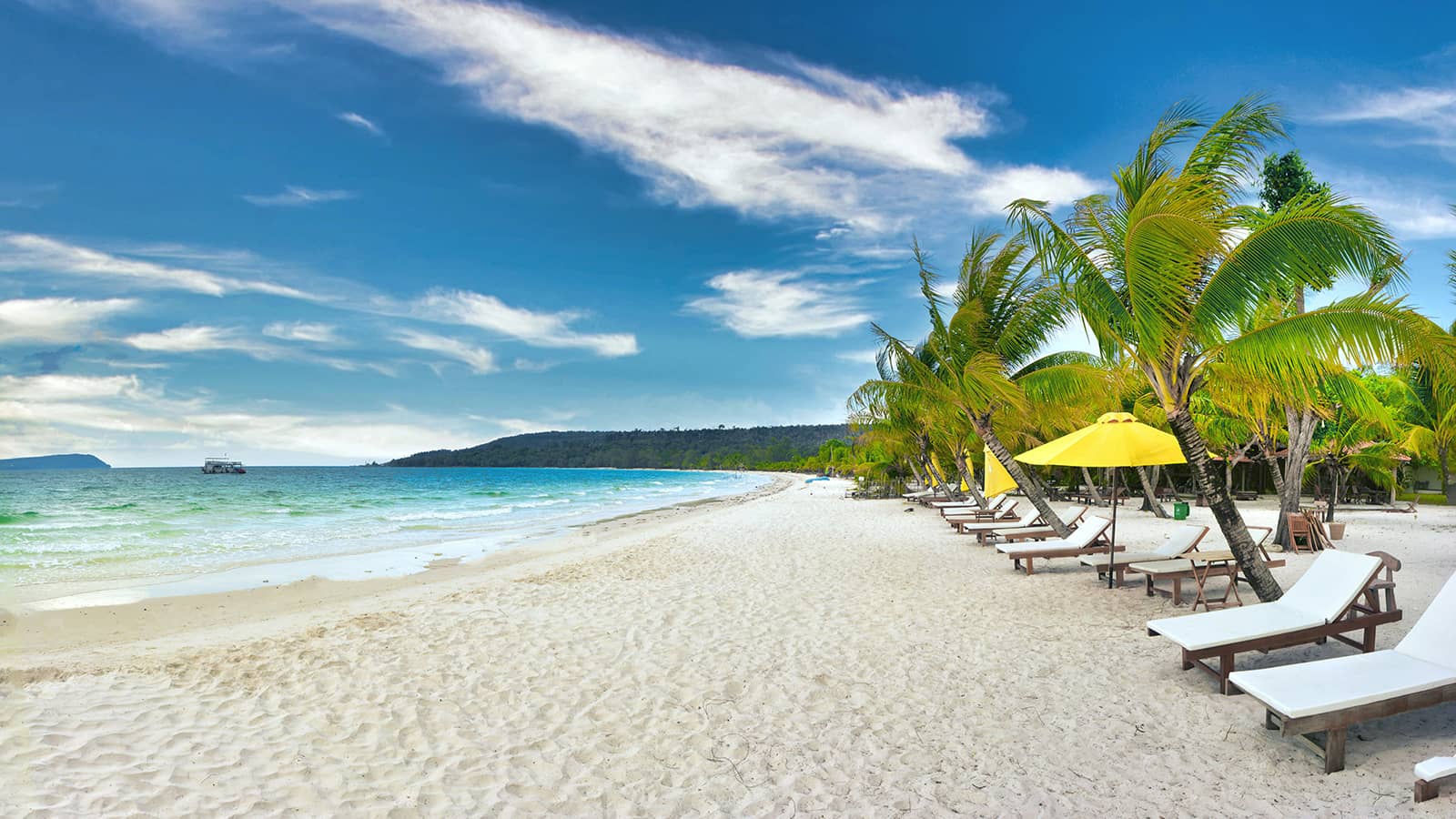
📷 Featured image by Maharram Hasanli on Unsplash.