💰 Click here to see Spain Budget Breakdown
💰 Prices updated: November, 2026. Budget figures are estimates — always verify before travel.
Exchange Rate: $1 USD = €0.89
Daily Budget (per person)
Shoestring: €50.00 – €70.00 ($56.18 – $78.65)
Mid-range: €130.00 – €180.00 ($146.07 – $202.25)
Comfortable: €200.00 – €350.00 ($224.72 – $393.26)
Accommodation (per night)
Hostel/guesthouse: €15.00 – €50.00 ($16.85 – $56.18)
Mid-range hotel: €70.00 – €130.00 ($78.65 – $146.07)
Food (per meal)
Budget meal: €7.00 ($7.87)
Mid-range meal: €25.00 ($28.09)
Upscale meal: €80.00 ($89.89)
Transport
Single metro/bus trip: €1.50 ($1.69)
Monthly transport pass: €60.00 ($67.42)
Most visitors reach Santiago de Compostela, see the cathedral, and fly home without touching Galicia’s coast. In 2026, with Mediterranean beaches packed and prices climbing, that is a missed chance. Within 90 minutes of Santiago are empty Atlantic beaches, fishing villages, and some of the best seafood in Europe, all at a cooler, calmer pace.
Why Galicia Feels Like Another Spain
Galicia is green, damp, and proud of its own language. Galician (galego) appears on every road sign, and you will hear it in markets and bars. The Celtic link is real. Iron Age hillforts, called castros, sit above the sea near A Guarda. Stone granaries on stilts, called hórreos, line village waterfronts like Combarro. On a foggy evening in a small plaza, you may hear a gaita (Galician bagpipe) drifting between the granite walls.
The coast has three personalities. The Rías Baixas in the southwest are sheltered inlets with calm water and wine country. The Costa da Morte in the northwest is wild, windy, and rocky. The northern Rías Altas have dramatic cliffs and the famous Catedrais beach.
Beaches Worth the Drive
Illas Cíes
Rodas Beach on the Cíes Islands, off Vigo, has white sand and turquoise water. It is part of the Atlantic Islands National Park. Boats leave from Vigo, Baiona, and Cangas. In summer you need a free authorisation from the Xunta de Galicia, and daily visitor numbers are capped. Return boat tickets cost about €22–25.
Praia das Catedrais
Near Ribadeo, this beach has tall rock arches carved by the sea. You can only walk beneath them at low tide. Check the tide tables before you go. In peak periods you must register online for free access, and you can be turned away without it.
Carnota
Carnota is one of Galicia’s longest beaches, about 7 km of pale sand backed by dunes. Even in August you can walk for ten minutes and find nobody. The Atlantic here is strong, so swim cautiously and stay near the shore.
The Costa da Morte: Lighthouses at the Edge of the World
The name means “Coast of Death”, and it earned it through centuries of shipwrecks. Today it is the most atmospheric stretch of Galicia. Cabo Finisterre, once thought to be the end of the known world, has a lighthouse where many Camino walkers finish their journey. Stand there at sunset and you hear waves booming against rock far below while the wind pulls at your jacket.

Nearby, Muxía has its sacred church on the rocks, and Camariñas is known for handmade lace. Cabo Vilán has a lighthouse and a small museum about local shipwrecks. Plan on a full day with a car, because distances between viewpoints are bigger than they look.
Where to Eat Seafood in Galicia
Galicia’s seafood is simple and extremely fresh. Look for pulpo á feira (octopus boiled in copper pots, cut with scissors, and served on wood with olive oil and smoked paprika). Also try zamburiñas (small scallops), navajas (razor clams), and percebes (goose barnacles) in season. The smell of boiling octopus on a market day is one you will remember.
- Vigo, O Berbés waterfront: Oyster sellers on Rúa da Pescadería open fresh oysters at their stalls. Walk to nearby bars to eat them with a glass of cold white wine.
- Cambados: The capital of Albariño wine. Order a bottle with grilled fish at a small tavern near the old town, then visit a nearby winery.
- A Coruña, Calle Franja and the old town: A busy seafood-bar street. Order shared plates of croquettes, octopus, and sea bass.
- Santiago, Mercado de Abastos: Buy fish from the stalls and ask a nearby restaurant to cook it for a small fee.
- Combarro: Waterfront restaurants beside the hórreos serve mussels and grilled fish. Prices are higher here than in non-touristy villages.
Day Trip or Overnight?
From Santiago, a day trip works for a few places. Muros, Noia, and Pontevedra are each about an hour away. Cambados and O Grove are around 1 hour 15 minutes, and Finisterre is about 1.5–2 hours each way. A day trip to Finisterre means roughly four hours in the car for a short visit.
Day trip: Pontevedra, Cambados, and A Coruña. These work well on their own.
Overnight (one night): Costa da Morte, so you can see the sunset at Finisterre and the quiet morning light at Muxía.
Two or more nights: Cíes and the Rías Baixas, so you have time for a boat trip, a winery, and a slow seafood dinner.

Getting There and Around in 2026
Santiago de Compostela airport (SCQ) has domestic connections and European routes. Vigo and A Coruña also have airports. Check current schedules, because Galicia’s regional routes change from season to season.
By train, Madrid to Ourense on the AVE takes around 2 hours 15 minutes. From there, regional services continue to Santiago and Vigo. Since the AVE reached Ourense, Madrid to Santiago takes roughly 3 hours 15 minutes, which is far faster than before. Renfe’s low-cost Avlo trains are an option on parts of the Madrid–Galicia corridor, so compare fares.
Within Galicia, regional trains connect Santiago, A Coruña, Pontevedra, and Vigo. Buses (Monbus and ALSA are the main operators) reach smaller coastal towns, but timetables are thin on weekends. For the Costa da Morte, Catedrais, and quiet beaches, rent a car. Roads are good but narrow in villages, and parking at popular beaches fills by late morning in August.
2026 Budget Reality
Galicia is still cheaper than Barcelona or Málaga, though prices are rising. Some Galician municipalities can now charge a tourist tax, so check your destination. If charged, expect around €1–2 per person per night.
- Budget (€60–90 per day): Hostel or simple guesthouse (€25–45), menú del día (€12–16), buses and trains, free beaches.
- Mid-range (€120–180 per day): Three-star hotel or rural stay (€70–110), a pulpo ración (€14–18), a shared seafood dinner, a rental car (about €35–60 per day).
- Comfortable (€220+ per day): Boutique hotel or parador (€130–250), shellfish platters and Albariño tasting (€40–80 per person), private winery tour, a rental car.
Expect higher prices in July and August, especially in Santiago, Sanxenxo, and near the Cíes ferries.
Timing, Weather and Rules to Know
The Atlantic is cold, with summer water around 15–19°C. Rías Baixas beaches are calmer and slightly warmer than open-coast beaches. Fog can roll in without warning on the Costa da Morte, even in July, so carry a light waterproof jacket year-round. Many beaches have no lifeguard outside July and August, so check the flag colours before swimming.
June and September are the best months: 20–25°C, fewer crowds, and easier parking. In recent summers, wildfires have affected parts of inland Galicia, so check regional news before long drives in August.
Frequently Asked Questions
Is Galicia worth visiting if I only have a few days?

Yes. Three or four days is enough for one coastal base plus Santiago. Pick either the Rías Baixas (Pontevedra, Cambados, Cíes) or the Costa da Morte. Trying to cover both in a short trip means long drives and little beach time.
Can you swim at Galicia’s beaches?
Yes, but the Atlantic is cold. Water temperatures usually sit around 15–19°C in summer. Rías Baixas beaches are calmer and slightly warmer than open-coast beaches. Check flag colours, because currents and surf on the Costa da Morte can be strong, and many beaches have no lifeguards outside July and August.
Do I need a car to explore Galicia’s coast?
For the Rías Baixas towns you can manage with trains and buses. For the Costa da Morte, Catedrais and hidden beaches, a car is far easier. Buses exist but run infrequently, especially on weekends and outside summer. Renting for two or three days is a sensible compromise.
Do I need to book the Cíes Islands in advance?
In high season, yes. Visitors need a free authorisation from the Xunta de Galicia, plus a boat ticket, and daily numbers are capped (around 2,200). Book both a few days ahead for July and August. Outside summer, rules are looser and boats run less often.
What is the best time to visit Galicia’s coast?
Late June to mid-September gives the warmest, driest weather, but July and August are crowded. June and September are the sweet spot: 20–25°C, fewer people, lower prices. Spring is green and lovely but unpredictable; expect rain at any time. Pack a light waterproof jacket regardless.
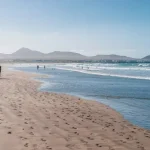
📷 Featured image by Emmanuel Acua on Unsplash.