On this page
- Why October Works for Walking in Spain
- City Walking Tours Worth Doing in October
- Trails and Mountains: Where the Autumn Colour Is
- Walking the Camino de Santiago in October
- Eating Your Way Through the Walk: Harvest, Mushrooms and Chestnuts
- October 2026 Calendar: Dates That Affect Your Walking Plans
- What to Pack and How to Plan Around Rain and Short Days
- October 2026 Budget Reality
- Frequently Asked Questions
Anyone who has tried a midday walking tour in Spain in July or August knows the problem. It is 38°C, the shade has disappeared, and every famous street is packed. October fixes most of that. The heat breaks, the light turns soft and golden, and you can walk for hours without feeling like you are being slowly cooked. In 2026, with more travellers choosing the shoulder season to avoid summer extremes, October is one of the smartest months to explore Spain on foot, if you plan for the regional differences.
Why October Works for Walking in Spain
Spain is a big country with several climates, so October feels different depending on where you stand. In the south, including Seville, Córdoba and Granada, daytime highs usually sit in the low to mid 20s °C, especially early in the month. Mornings and evenings are cool enough for a light layer. This is the climate that makes a three-hour old-town walk enjoyable instead of exhausting.
Madrid and central Spain are crisper. Expect pleasant afternoons and noticeably cold mornings by the end of the month. The Mediterranean coast, from Barcelona to Valencia, stays mild, though October can bring heavy short rainstorms. The north is the wettest part of the country. Galicia, Asturias, Cantabria and the Basque Country get real rain in October, but they also get the greenest hills and the fewest tourists.
The other big gain is crowds. School holidays are over for most European visitors, so queues are shorter, guides have more time for questions, and accommodation is easier to find than in summer. Weekends and the long holiday weekend around 12 October are the exceptions.
City Walking Tours Worth Doing in October
Cities reward slow walking, and October gives you the right conditions. Here is where a guided or self-guided walk makes the most sense.
Seville and Granada
In Seville, the Santa Cruz quarter and the lanes around the cathedral are best walked in the morning. The cathedral bells carry across the rooftops, and the smell of orange trees and frying churros drifts from side streets. In Granada, climbing through the Albaicín at golden hour gives you views across to the Alhambra without the sweat of a summer climb. Wear shoes with grip, because the cobbles are steep and polished smooth.
Madrid and Barcelona
Madrid is excellent on foot in autumn. Walk from the Plaza Mayor through the old Austrias district, then drift toward the Retiro Park, where the trees begin to turn. In Barcelona, the Gothic Quarter is best early, before the lanes fill, and the seafront promenade is comfortable all day. Both cities have free tip-based walking tours and paid specialist tours covering food, history or street art. Pick a start time before 11:00 or after 16:00 to avoid the crowds.

Smaller cities
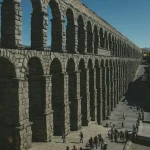
Salamanca, Segovia, Toledo, Córdoba and Girona are all compact enough to cover in a day on foot. October’s lower tourist numbers make them feel like the working towns they are.
Trails and Mountains: Where the Autumn Colour Is
If you want real outdoor time, head for the hills. Spain’s autumn colour is a well-kept secret outside the country.
- The Pyrenees: Beech and birch forests in Aragón and Navarre turn copper and gold. Ordesa and Monte Perdido National Park is a classic for day walks, with big canyon scenery and cooler air. Higher routes can see early snow by late October, so check conditions.
- Picos de Europa: Walks in the mountains of Asturias, Cantabria and León are dramatic in autumn, but mist and rain are common. Go for valley and gorge routes when visibility is poor.
- Sierra de Gredos and Sierra de Guadarrama: Both are within reach of Madrid and give you oak and chestnut woods in autumn colours, plus granite peaks. They are popular with locals on weekends.
- Mallorca’s Serra de Tramuntana: The long-distance GR 221 passes through terraced hillsides, old stone paths and mountain villages. October is far more comfortable here than summer, although sections can be slippery after rain.
- Andalusia’s Sierra Nevada and Alpujarras: Village-to-village walking between whitewashed hamlets is pleasant in October. Nights get cool at altitude.
Walking the Camino de Santiago in October
The Camino is Spain’s most famous walk, and October is a good month for it. The summer rush has eased, temperatures are comfortable for long days, and the trail has a calmer rhythm. On the Camino Francés, which runs about 780 km from Saint-Jean-Pied-de-Port to Santiago de Compostela, you will still meet plenty of fellow walkers, but beds are easier to find than in August.

Not everyone wants to commit to five weeks. The Compostela certificate requires walking at least the last 100 km on foot, which is why the stretch from Sarria is so busy. Other options include the Camino Portugués and the Camino del Norte. Be aware that as autumn deepens, some smaller private hostels and cafés on quieter stretches close for the season, so check before you rely on a particular stop. Galicia is rainy in October, so waterproof gear is essential, and your boots should already be broken in.
Eating Your Way Through the Walk: Harvest, Mushrooms and Chestnuts
October is harvest season, and walking gives you a reason to eat well. In wine regions such as La Rioja and Ribera del Duero, the grape harvest runs through the early autumn, and the vineyards turn red and yellow. Walking between bodegas and villages is a pleasant way to see it, and many wineries offer visits that you should book ahead.
In Catalonia, the Pyrenees and parts of the north, mushroom season (setas or bolets) brings special menus. Rural restaurants serve them sautéed with garlic, in rice dishes or with eggs. Please do not forage on your own unless you are with someone who knows the species and the local rules, because picking is regulated in many areas.
By late October and into November, street sellers begin roasting chestnuts (castañas) in paper cones. The smoky, sweet smell on a cold evening is one of Spain’s best autumn memories. Lunch is still best taken as a menú del día, a fixed-price weekday meal with a starter, main, dessert and drink. It is the practical fuel for a day of walking.
October 2026 Calendar: Dates That Affect Your Walking Plans
- Monday 12 October 2026: Spain’s national day (Fiesta Nacional de España) is a public holiday. Expect a long weekend, busier trains, full mountain car parks and booked rural hotels. Zaragoza celebrates its Pilar festival around this date, with large crowds.
- Sunday 25 October 2026: Clocks go back one hour. Evenings become darker earlier.
- 1 November: All Saints’ Day is a public holiday, and the preceding weekend is busy with travel. Book transport and rooms early if your trip runs to the end of October.
Local fiestas pop up in many towns throughout the month. Check the local tourist office page for the town you are visiting, because exact programmes change each year.

What to Pack and How to Plan Around Rain and Short Days
October weather can swing quickly, so layers matter more than any single item. Pack a light waterproof jacket, a fleece or thin insulated layer, a sun hat and sunscreen. The sun is still strong in the south. Shoes with a good grip are important on wet cobbles and muddy trails. For mountain walks, bring a headlamp, a charged phone with offline maps, and more water than you think you need.
Build a flexible plan. If you are visiting the north, keep one indoor backup day for a museum, market or cider house. If you are heading to the south, start early and use the middle of the day for a long lunch, as locals do. Remember that many shops and restaurants close between about 14:00 and 17:00 in smaller towns, and dinner rarely starts before 20:30.
October 2026 Budget Reality
October prices are often a little lower than summer, though holiday weekends and popular regions can push them up. These are typical ranges, so check current rates before booking.
- Budget (about €50–€80 per day): A hostel bed or pilgrim hostel (about €10–€25), a menú del día (about €12–€16), free or tip-based city walking tours, and public transport.
- Mid-range (about €100–€170 per day): A private room in a small hotel or guesthouse (about €60–€110), a paid guided walk or specialist tour (about €20–€45), restaurant meals and some regional trains or buses.
- Comfortable (about €200–€350+ per day): A boutique hotel or rural inn (about €120–€220), private or small-group guided hikes, winery visits, and hire-car travel.
Frequently Asked Questions
Is October a good month to visit Spain for walking?
Yes. October brings milder temperatures, softer light and fewer crowds than summer. The south is comfortably warm, the centre is crisp, and the north is green but wetter. Pack layers and a waterproof jacket, and you can walk comfortably in most regions.
What is the weather like in Spain in October?
It depends on the region. Southern cities like Seville often reach the low to mid 20s °C by day, while Madrid is cooler and Barcelona is mild with occasional heavy showers. Galicia and the Basque coast see the most rain. Mountain areas can be cold, with early snow possible at altitude.
Is it too late to walk the Camino de Santiago in October?

No, October is a popular and comfortable month. Trails are quieter than in summer, and temperatures suit long days. Expect rain, especially in Galicia, and check that your planned accommodation is still open, since some smaller businesses close for the season as autumn deepens.
Do I need to book walking tours in advance in October?
Free tip-based city tours usually take walk-ups or short-notice bookings, but small-group and specialist tours can fill up. Book ahead for winery visits, guided hikes and anything around the 12 October holiday weekend. Weekdays are generally easier, and booking a week or two ahead is a safe habit.
When do the clocks change in Spain in 2026?
Spain moves its clocks back one hour on Sunday 25 October 2026, the last Sunday of the month. That makes evenings darker earlier, with sunset around 18:00 or sooner in much of the country. Plan hikes and countryside walks to finish well before dark.
Explore more
Spain in October 2026: Discovering Autumn’s Charm Beyond Summer Crowds
Understanding Día de Todos los Santos: Spain’s Autumn Traditions for October 2026
Autumn Delights: Seasonal Foods to Savor in Spain in October 2026
📷 Featured image by David Gavi on Unsplash.