Many visitors book a Spanish city break for late October or early November and then find the shops shut, the streets oddly quiet and families heading to cemeteries with armfuls of flowers. In 2026, 1 November falls on a Sunday, so the calendar adds a few extra wrinkles. Knowing what Día de Todos los Santos is, and how it differs from Halloween, helps you plan a trip that fits the mood of the country instead of fighting it.
What Todos los Santos Actually Marks
Día de Todos los Santos (All Saints’ Day) falls on 1 November and is a national public holiday in Spain. It is a Catholic feast honouring all saints. In practice, most Spanish families treat it as the day to remember their own dead. The following day, 2 November, is Día de los Difuntos (All Souls’ Day), which formally commemorates the departed. The two blend together in everyday life, and many people visit family graves on whichever day suits them.
The mood is reflective, not gloomy. Think of it as a family day with a serious purpose: tidying a grave, saying a few words, then going for a long lunch. If you are expecting skeletons and costume parties, you will be a few days early and a few kilometres off.
How the 2026 Calendar Works
In 2026, 1 November is a Sunday. Spanish regions can decide whether to shift a national holiday that lands on a Sunday to the Monday, so 2 November may or may not be a day off depending on where you are. Check the official regional calendar for the area you are visiting before you build a plan around it.
What this means on the ground:
- Shops and supermarkets: Most close on 1 November, and Sundays are already quiet in many towns. Buy groceries on Saturday 31 October.
- Public transport: Expect reduced, Sunday-style or holiday timetables on buses and local trains. Check your operator’s schedule in advance.
- Restaurants: Many stay open, especially in city centres, but family-run places often close or book out for large lunches. Reserve ahead.
- Roads: Roads near big cemeteries can be congested, and holiday travel out of cities is heavier than on an ordinary weekend.
Earlier in October, Monday 12 October (Fiesta Nacional de España) gives Spain a long weekend, so accommodation in popular cities tends to fill up on 10 to 12 October. The clocks also go back an hour on Sunday 25 October, which makes evenings noticeably darker as the festival week approaches.

Cemetery Visits and Flowers
The most important ritual happens at the cemetery. Families clean headstones, replace old flowers, and often stay to talk with neighbours they see only once or twice a year. Chrysanthemums are the traditional flower, and florists set up stalls outside cemetery gates in the days before 1 November. The smell of wet stone, cut stems and candle wax is hard to forget.
If you are curious, many Spanish cemeteries are architecturally interesting, with rows of niches stacked in walls and elaborate family mausoleums. Visiting on the day itself as a tourist can feel intrusive, though. Go a few days earlier or later if you want to look around calmly, and keep your voice and camera low whenever other visitors are present.
Don Juan Tenorio: The Theatre Tradition
One of Spain’s most distinctive seasonal customs is the staging of Don Juan Tenorio, the 19th-century play by José Zorrilla. The story follows a famous seducer who ends up confronting the spirits of those he has wronged. Theatres across the country have long scheduled it around the days of All Saints and All Souls, and amateur groups in towns and villages often stage their own versions.
It is performed in Spanish, in verse, so it is demanding if your language skills are basic. Still, the setting can be atmospheric: dim lights, dramatic cloaks, a hushed audience. Check local theatre listings and your town’s cultural agenda for dates, since schedules vary from place to place.
What Spain Eats
The food of this season is sweet, simple and tied to the harvest. Pastry shops fill their windows in the last week of October.
- Huesos de santo (“saints’ bones”): Thin marzipan tubes filled with sweet egg-yolk cream or other fillings. They look like small bones, hence the name.
- Buñuelos de viento: Light fried dough puffs, usually filled with cream, chocolate or sweet pumpkin-style fillings.
- Panellets: A Catalan speciality made from almond paste, often rolled in pine nuts, coconut or other toppings. The crunch of toasted pine nuts is the giveaway.
- Roasted chestnuts and sweet potatoes: Sold from street carts in many cities. The smoky smell drifts across plazas on cool evenings.
Buy them from a local pastelería rather than a supermarket if you can.

Regional Variations
Spain does not celebrate this season in one single way. Each region puts its own spin on it.
Catalonia: La Castanyada
Catalans mark the Castanyada around the evening of 31 October and 1 November. Families eat roasted chestnuts, panellets and sweet potatoes, often with a sweet wine such as moscatell. It is a food-focused tradition and one of the easiest to join as a visitor, because bakeries and market stalls sell everything you need.
Galicia and Asturias: Magosto and Amagüestu
In Galicia, the Magosto is a chestnut-roasting gathering, with bonfires and cider or wine. Asturias has a similar custom called the amagüestu, centred on chestnuts and sweet cider. These events are often held in November, sometimes a little after All Saints, and are usually community affairs in villages and towns. In parts of Galicia, you may also hear about Samaín, a name linked to older Celtic-style autumn customs, though how widely it is marked varies by town.
Elsewhere
Many other regions have local sweets, church services and customs tied to the dead. Smaller villages tend to keep the traditions most strongly. A local tourist office will tell you what happens near you.
Halloween vs Todos los Santos
Halloween has become a familiar fixture in Spain over recent decades, especially among younger people. You will see costumes, themed bars, decorated shop windows and children going door to door in some neighbourhoods. It is mostly a 31 October evening activity, and in 2026 that date falls on a Saturday, which suits parties and bar-hopping.
Todos los Santos itself stays quieter. Many Spaniards see Halloween as a modern import and All Saints as the “real” local tradition. The two coexist without much conflict: costume party on Saturday night, cemetery and family lunch on Sunday. If you plan to be in a big city, expect both atmospheres within 24 hours.
2026 Budget Reality
Costs for this season are modest, since the traditions revolve around food and family. The figures below are typical estimates for 2026. Actual prices vary by city and by shop.
- Budget: Roasted chestnuts from a street cart, about €3 to €5 a cone. A single huesos de santo or buñuelo costs around €1 to €3. Free cemetery architecture walks and local church services. Budget hotel or hostel rooms in many Spanish cities run about €50 to €80 per night.
- Mid-range: A small tray of panellets or mixed autumn sweets from a good bakery, around €8 to €15. A seasonal set lunch (menú del día), roughly €14 to €22 per person. Theatre tickets for a staged Don Juan Tenorio, often about €10 to €30. Mid-range hotels average about €90 to €150 per night.
- Comfortable: A long restaurant lunch with seasonal dishes and wine, about €40 to €70 per person. Boutique hotels or paradors in historic towns from around €170 per night upwards. Private guided visits to historic cemeteries or villages vary widely, so ask for a quote.

Rooms in rural areas and smaller towns can get tight if Monday 2 November is a regional holiday, so book early if you plan a countryside trip.
Visiting Respectfully
You are welcome in Spain at any time of year, but a few habits help you fit in during this week.
- Dress simply. If you enter a church or cemetery, avoid beachwear and loud clothing.
- Ask before photographing. People tending graves are doing something private. A quick photo of a flower stall is fine, but not of mourners.
- Layer up. Autumn weather varies a lot by region. The north can be rainy and cool, while the south and the Mediterranean coast are usually milder.
The best way to experience Todos los Santos is simply to slow down. Walk through an old town in the late afternoon, buy something sweet, and listen to church bells carrying over rooftops. The country is at its most thoughtful, and the small rituals tell you more about Spain than any monument.
Frequently Asked Questions
Is Día de Todos los Santos a public holiday in Spain?
Yes. 1 November is a national public holiday across Spain. In 2026 it falls on a Sunday. Regions can decide whether to move the day off to Monday 2 November, so check the official calendar for the region you are visiting before planning travel or shopping.
Is Día de Todos los Santos the same as Halloween?
No. Halloween is a modern, party-style event on 31 October, mostly popular with young people. Todos los Santos is a Catholic feast on 1 November, when families remember their dead. In Spain the two overlap in time, but the tone of each is very different.
What do Spaniards eat on All Saints’ Day?

Typical foods include huesos de santo (marzipan tubes), buñuelos de viento (fried dough puffs) and roasted chestnuts. In Catalonia, panellets are the star, often eaten with sweet wine. Pastry shops sell many of these only in the weeks around the festival, so autumn is the best time to try them.
Will restaurants and shops be open on 1 November 2026?
Most shops and supermarkets will be closed, and public transport usually runs reduced timetables. Many restaurants in city centres and tourist areas stay open, but family-run places may close or fill up quickly with large groups. Buy groceries on Saturday and reserve your Sunday lunch in advance.
Can tourists visit Spanish cemeteries during All Saints?
Yes, cemeteries are public, and many are architecturally interesting. On 1 and 2 November they are busy with grieving families, so keep a respectful distance and avoid photographing people. For a quieter look at the monuments and niches, visit a few days before or after the holiday.
Explore more
Autumn Delights: Seasonal Foods to Savor in Spain in October 2026
Experiencing Fiestas del Pilar: Your October 2026 Guide to Zaragoza’s Festival
September in Spain: Ideal Weather for Sightseeing and Culture in 2026
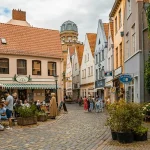
📷 Featured image by Andrea Huls Pareja on Unsplash.