💰 Click here to see Spain Budget Breakdown
💰 Prices updated: October, 2026. Budget figures are estimates — always verify before travel.
Exchange Rate: $1 USD = €0.88
Daily Budget (per person)
Shoestring: €60.00 – €90.00 ($68.18 – $102.27)
Mid-range: €120.00 – €180.00 ($136.36 – $204.55)
Comfortable: €220.00 – €470.00 ($250.00 – $534.09)
Accommodation (per night)
Hostel/guesthouse: €15.00 – €50.00 ($17.05 – $56.82)
Mid-range hotel: €70.00 – €130.00 ($79.55 – $147.73)
Food (per meal)
Budget meal: €7.00 ($7.95)
Mid-range meal: €25.00 ($28.41)
Upscale meal: €80.00 ($90.91)
Transport
Single metro/bus trip: €3.00 ($3.41)
Monthly transport pass: €24.00 ($27.27)
Most Andalusia road trip plans in 2026 fail in the same two places: a rental car that costs more than expected, and a route so packed that every village becomes a photo stop. The white villages reward slow driving. Plan fewer stops, stay overnight in the right ones, and the mountain roads between Ronda and the Atlantic become the best part of your trip to Spain.
What Makes a White Village Different
The pueblos blancos are clusters of lime-washed houses scattered across the hills of Cádiz and Málaga provinces. The whitewash is not just for looks. Lime reflects the summer sun and keeps stone homes cooler, and many families still repaint their walls every spring. Walk through Grazalema in April and you may catch the smell of fresh lime mixing with orange blossom and woodsmoke.
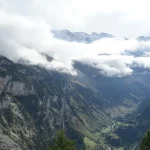
Each village has its own personality. Ronda sits on a 100-metre gorge. Setenil de las Bodegas has streets built under giant rock overhangs. Zahara de la Sierra hangs above a turquoise reservoir, and Arcos de la Frontera balances on a cliff edge. In the mornings, church bells carry across the valleys, and griffon vultures circle on the thermals above Zahara.
The 7-Day Route
Day 1: Málaga to Ronda (about 100 km, 1 hr 45 min)
Pick up your car at Málaga airport and head inland. Arrive in Ronda by late afternoon and walk the Puente Nuevo bridge at sunset, when the tour groups have left.
Day 2: Ronda and Setenil de las Bodegas (20 km between them)
Spend the morning in Ronda’s old town, then drive to Setenil for the afternoon. Walk Calle Cuevas del Sol, where bar terraces sit beneath the rock itself.
Day 3: Grazalema and Zahara de la Sierra (about 15 km apart)
Take the mountain road over the Puerto de las Palomas pass, with sharp curves and wide views. Grazalema is the rainiest place in Spain, so pack a jacket. Some trails in the Sierra de Grazalema Natural Park, including the Pinsapar, need a free permit from the park authority. Request it well ahead.
Day 4: Arcos de la Frontera (about 50 km from Zahara)
Park outside the old town and walk up. The streets are narrow, and the steep lanes are not meant for rental cars. Stay overnight, because the town is quiet and beautiful after the day visitors leave.
Day 5: Vejer de la Frontera (about 70 km from Arcos)
Vejer is a hilltop town with Moorish lanes and views to the Atlantic. The nearby beaches near Barbate and Conil are 15 to 25 minutes away.
Days 6 and 7: Cádiz and Seville
Cádiz is 55 km from Vejer, and Seville is another 125 km. Drop the car in Seville, where you can continue by train.
Beyond the White Villages
If you have extra days, two add-ons are worth considering. Frigiliana, near Nerja about 55 km east of Málaga, has flower-lined lanes and views to the Mediterranean. The Alpujarras valleys south of Granada (Pampaneira, Bubión and Capileira) are a longer detour, with terraced hillsides and a different, more Berber-influenced village style.
What to Eat and Where
- Ronda: Order rabo de toro (oxtail stew), a local classic, in the old town streets away from the bridge.
- Setenil: Choose a table under the rock overhang on Calle Cuevas del Sol. Try local jamón and a cold beer in the shade.
- Grazalema and Villaluenga: Look for Payoyo goat and sheep cheese, made in the mountains.
- Arcos: Eat in the old town near Cuesta de Belén for stews and local wine.
- Vejer and the coast: In spring, atún de almadraba (red tuna caught using an ancient trap method) is the highlight.
- Cádiz: Fried fish in paper cones, eaten near the market, is the usual lunch.
Eat your main meal at lunch. A menú del día (set lunch) is the best value, and many kitchens close between 4 and 8 pm.
Getting There and Getting Around in 2026
Málaga and Seville both work well as start and end points. Málaga has the larger airport network, while Seville has direct AVE high-speed trains from Madrid. Málaga also has an AVE link to Madrid, and both cities connect to Córdoba by train. A one-way rental between the two cities is common, though drop fees often run €50 to €100, so compare prices before you book.
You need a car for the white villages. Buses and Renfe trains reach Ronda, Arcos and a few larger towns, but the best stops, including Zahara and Grazalema, are hard to reach without driving.
Several 2026 details matter on the road:
- Since January 2026, Spain requires cars to carry a connected V16 emergency beacon instead of warning triangles. Rental cars should already have one, but check at pickup.
- Low-emission zones (ZBE) apply in cities such as Seville, Málaga, Granada and Córdoba, with camera enforcement in some. Ask your rental company about the car’s environmental label and your hotel about access and parking.
2026 Budget Reality
Prices rise in peak season (July, August, Easter and the Feria weeks), so check dates early. These ranges are estimates for 2026, per day for two travellers sharing a room and car.
- Budget (about €110 to €150): Small rental car around €30 to €45, a guesthouse or hostal room at €50 to €70, set-lunch meals at €12 to €16 each and picnic dinners. Fuel and parking add about €15 to €25.
- Mid-range (about €190 to €270): A comfortable rental at €45 to €70, a boutique hotel at €90 to €140, tapas dinners and a menú del día. Add about €20 to €30 for fuel and parking.
- Comfortable (€320 and up): An SUV or automatic car, a parador or design hotel at €160 to €250, and tasting menus at around €50 to €90 per person.
Automatic cars cost more than manuals, and they run out first in summer. Reserve early if you need one. Parking in town car parks usually runs €12 to €20 per day.
Day Trip or Overnight?
Without a car, the most practical day trip is Ronda from Málaga or Seville, by train or bus plus a long day. Setenil is possible as a half-day add-on if you use a tour or taxi. However, a day trip means you see Ronda in the crowded middle of the day.
For the real white village experience, stay overnight. Evenings in Arcos, Zahara and Vejer are quiet, and the light on the walls at sunset is the reason to come. If time is short, pick two or three overnight stops rather than racing through six villages.
Best Time to Drive
Spring (March to May) and autumn (late September to early November) are best. Days are warm enough for walking, and roads are quieter than in summer. In July and August, inland temperatures often reach 38 to 42°C, so you will want to start early and rest in the afternoon. Winter is fine for the Sierra de Grazalema, but expect rain, fog and cold mornings.
Frequently Asked Questions
How many days do you need for the Andalusia white villages?
Plan at least five days for a relaxed loop between Málaga and Cádiz, and seven if you also want Seville. Three days can cover Ronda, Setenil and Grazalema, but you will spend more time driving.
Do you need a car to visit the white villages of Andalusia?
Yes, for most of them. Ronda and Arcos have public transport, but Zahara, Grazalema and Vejer are much easier by car. Tours from Málaga or Seville are possible, but they give you limited time in each village and no overnight stays.
What is the best white village in Andalusia?
It depends on what you want. Ronda has the most dramatic setting, Setenil is the most unusual, and Zahara has the best views. Arcos and Vejer offer the best atmosphere for evenings. Visiting two or three, including one smaller village, gives the best mix.
Is driving in Andalusia difficult?
Main roads are good, and signs are clear. Mountain roads like the one near Grazalema are narrow with many bends, and village centres are tight. Drive slowly, use a small car and park outside old towns. Fuel up before mountain sections, as stations can be sparse.
When is the best time to visit the white villages?
April, May, October and early November are the best months, with mild weather and fewer crowds. Summer is very hot inland, and Easter week is busy and expensive. Winter has quiet roads but frequent rain, especially around Grazalema, so bring a waterproof jacket.