On this page
- Why Murcia Stays Under the Radar
- Murcia City: Baroque Towers and Garden-Country Roots
- Cartagena: Two Thousand Years in a Naval Harbour
- Coast and Mar Menor: Beaches Without the Crush
- Inland Murcia: Lorca, Mountains and Monastrell Wine
- Where to Eat in Murcia
- Getting There and Getting Around
- Day Trip or Overnight?
- When to Go
- 2026 Budget Reality
- Frequently Asked Questions
💰 Click here to see Spain Budget Breakdown
💰 Prices updated: October, 2026. Budget figures are estimates — always verify before travel.
Exchange Rate: $1 USD = €0.88
Daily Budget (per person)
Shoestring: €60.00 – €90.00 ($68.18 – $102.27)
Mid-range: €120.00 – €180.00 ($136.36 – $204.55)
Comfortable: €220.00 – €470.00 ($250.00 – $534.09)
Accommodation (per night)
Hostel/guesthouse: €15.00 – €50.00 ($17.05 – $56.82)
Mid-range hotel: €70.00 – €130.00 ($79.55 – $147.73)
Food (per meal)
Budget meal: €7.00 ($7.95)
Mid-range meal: €25.00 ($28.41)
Upscale meal: €80.00 ($90.91)
Transport
Single metro/bus trip: €3.00 ($3.41)
Monthly transport pass: €24.00 ($27.27)
By 2026, summer in Barcelona, Seville and the Costa del Sol means queues, packed beaches and hotel prices that sting. Many travellers now look for the Spain that locals still enjoy. The Region of Murcia, in the south-east, is that Spain. It has Roman ruins, Baroque churches, quiet coves and some of the best vegetables in Europe. It also has far fewer visitors than its neighbours.
Why Murcia Stays Under the Radar
Murcia sits between Andalusia and the Valencia coast, so most visitors drive straight past it. That helps you. Prices stay lower, bars are full of locals, and nobody treats you like a passing tourist.
The region’s character comes from its land. The Segura river feeds a fertile plain called the huerta, which locals call Europe’s orchard. Behind it, dry mountains run towards the Mediterranean. The mix gives you city culture, wild beaches and mountain villages within about 90 minutes of each other. The pace is slow, the people are chatty, and the accent is fast and full of dropped letters.
Murcia City: Baroque Towers and Garden-Country Roots
The capital is compact and easy to walk. The Cathedral of Santa María has a Baroque façade covered in carved stone and a bell tower about 93 metres high. Climb it for a view across the orange-tiled roofs to the huerta. In spring, the smell of azahar (orange blossom) drifts through the old streets, and the cathedral bells ring out over the plaza at midday.
Next, visit the Real Casino de Murcia, a 19th-century social club with a gilded ballroom and a Moorish-style patio. The Salzillo Museum holds the work of Francisco Salzillo, the sculptor whose wooden figures are carried through the streets at Easter.
If you can, come the week after Easter (Easter Sunday is 5 April in 2026). The Spring Festival has the Bando de la Huerta, where people dress in traditional costume, and the Entierro de la Sardina, a mock funeral parade with a huge sardine float.
Cartagena: Two Thousand Years in a Naval Harbour
Cartagena is a 45-minute trip from Murcia, and it is the region’s biggest surprise. Carthaginians, Romans and the Spanish navy all used this natural harbour. The Roman Theatre sits right in the old town. You reach it through a museum that leads you under the street and out into the ancient seating.
The National Museum of Underwater Archaeology (ARQVA) on the waterfront has real shipwreck finds. The Spanish Civil War shelter tunnels show how families hid from bombing. Afterwards, walk up Calle Mayor, a pedestrian street with modernist buildings. The sound of ships’ horns from the port carries up the hill.
Coast and Mar Menor: Beaches Without the Crush
The Mar Menor is a shallow saltwater lagoon of about 170 square kilometres, separated from the open sea by the sandy strip of La Manga. The water is warm and calm, which suits families. Be aware that the lagoon has had serious pollution problems and algae blooms in recent years. In 2022, Spain gave it legal personhood to protect it. Check local beach reports before you choose where to swim.
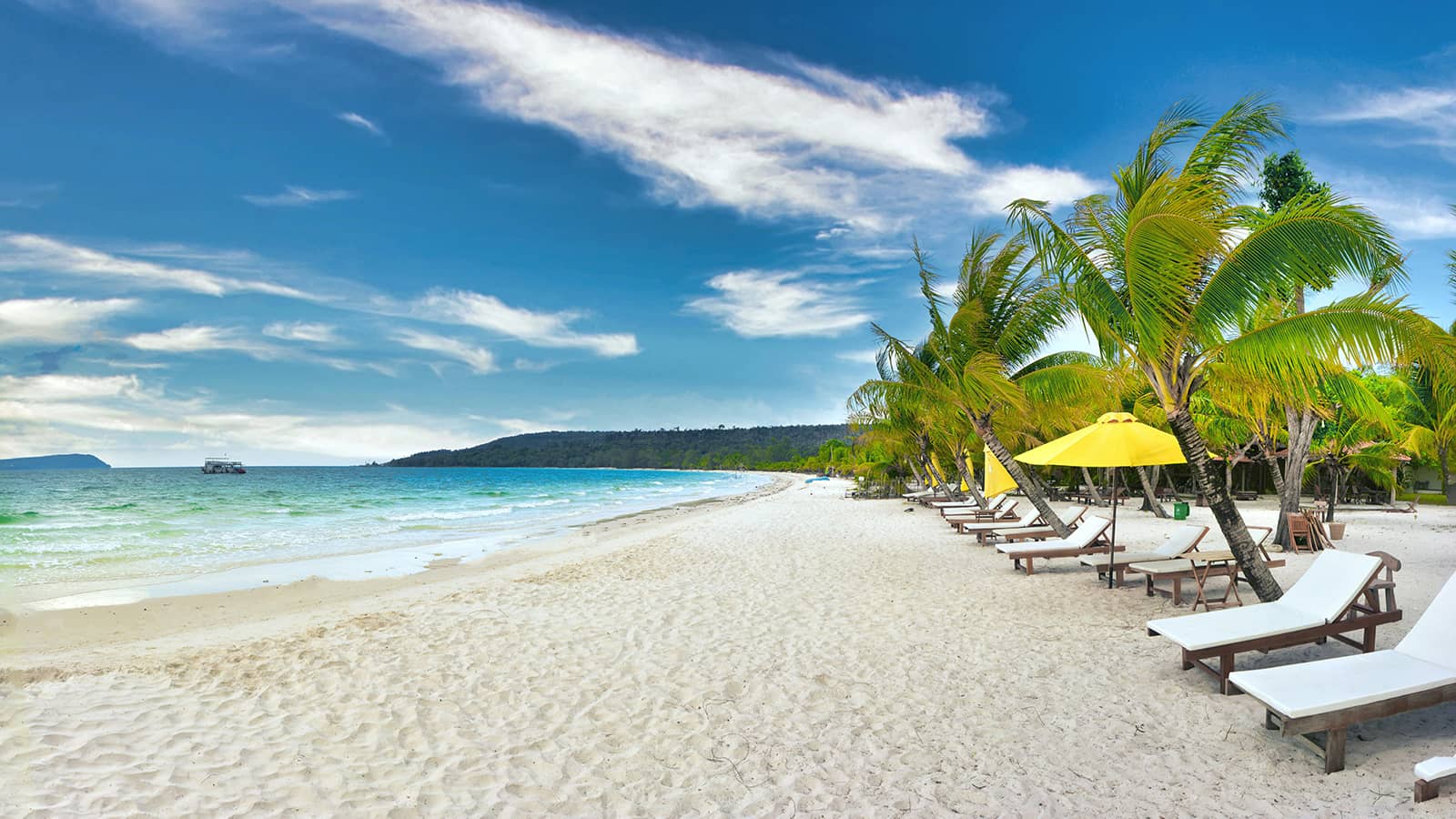
For wilder sand, go to the Open Sea side. Calblanque Regional Park has golden beaches backed by dunes and no hotels. Car access is controlled in peak summer, so check the park’s rules in advance. Cabo de Palos is known for diving around the Islas Hormigas marine reserve. Mazarrón has the strange sandstone shapes of Bolnuevo, and Águilas is a relaxed fishing town with a castle above the bay.
Inland Murcia: Lorca, Mountains and Monastrell Wine
Lorca has a medieval castle, the Fortaleza del Sol, and Baroque churches that were repaired after the 2011 earthquake. Its Holy Week processions are famous across Spain for their embroidered costumes and biblical characters on horseback.
For hiking, Sierra Espuña Regional Park has pine forests and marked trails. In late winter, the Cieza valley covers itself in pink and white peach blossom. The wine regions of Jumilla, Yecla and Bullas make strong red wines from the Monastrell grape, and many bodegas will show you around.
Where to Eat in Murcia
Food is the best reason to stay longer. The huerta produces artichokes, peppers, tomatoes and lemons, and locals eat them with pride.
- Plaza de las Flores, Murcia: A square of terraces. Order zarangollo (courgette and egg scramble) and a marinera, a bread ring topped with Russian salad and an anchovy.
- Mercado de Verónicas, Murcia: The central market, good for fruit, cured meats and a quick breakfast among the stalls.
- Cabo de Palos and the Mar Menor: Look for caldero, a rice dish cooked in fish stock with a red pepper called ñora. The smell of the stock fills the restaurants at lunchtime.
- Cartagena: Try an asiático, a coffee with condensed milk, brandy, cinnamon and lemon peel. The Santa Florentina market is a good place to snack.
- Bakeries across the region: Buy a pastel de carne (meat pie) and, for dessert, paparajotes, lemon leaves dipped in batter, fried, and dusted with sugar and cinnamon.
Lunch is the main meal. Most places serve a menú del día from around 13:30.
Getting There and Getting Around
Murcia has high-speed AVE and Avlo services from Madrid, taking roughly 3.5 hours. Check Renfe for the latest timetables. From Alicante, regional trains take around 1 hour 15 minutes. The Región de Murcia International Airport (Corvera) handles domestic and European flights, and Alicante airport is about 75 km away with a wider choice of routes.
Inside the region, trains link Murcia with Cartagena (about 45 minutes) and Lorca (about 50 minutes). Buses cover most towns but run less often on Sundays. In Murcia city, you can walk everywhere. For Calblanque, the Mar Menor and mountain villages, hire a car. Expect to pay around €25–45 per day for a small car.
Day Trip or Overnight?
Murcia city and Cartagena work as day trips from Alicante, and Murcia works from Valencia with an early train. But a day trip only gives you highlights. Stay at least two nights if you want to eat slowly, climb the cathedral tower, and see the Roman Theatre without rushing.
For the coast, Calblanque and Cabo de Palos need a full day each. A good plan is three nights: one in Murcia, one in Cartagena, and one by the sea. Add a fourth night if you want Lorca or the wine villages.
When to Go
Spring (March to May) and autumn (October to November) are best. Temperatures sit around 20–28°C, which is good for walking and the beach. July and August often reach 35–40°C in Murcia city, so plan outdoor trips for early morning. Winter is mild at about 12–18°C, though the Spring Festival and Holy Week bring hotel bookings up, so reserve ahead.
2026 Budget Reality
Murcia remains cheaper than Spain’s main tourist cities. The region does not currently charge a tourist tax, but confirm this before you book as rules can change.
- Budget (€50–70 per day): Hostel or simple room at €35–55, a menú del día at €11–14, tapas at €2–3.50 each, and trains or buses.
- Mid-range (€100–150 per day): A three- or four-star hotel at €70–110, restaurant dinner at €25–40, and a rental car for coast days.
- Comfortable (€200+ per day): Boutique or sea-view hotels at €130–200, tasting menus, wine tours and private guides.
Frequently Asked Questions
Is Murcia worth visiting for tourists?
Yes. Murcia offers Baroque architecture, Roman ruins in Cartagena, quiet beaches and excellent regional food. It also has lower prices and fewer crowds than Spain’s major destinations, so it suits travellers who want a more local experience.
How many days do you need in Murcia?
Three to four days is ideal. Spend one day in Murcia city, one in Cartagena, and one on the coast. A fourth day lets you visit Lorca or a wine town like Jumilla without rushing.
What is Murcia famous for?
Murcia is known for its huerta farmland, fresh produce, Baroque cathedral, Holy Week processions and the Spring Festival. It is also famous for Cartagena’s Roman and naval heritage and the Mar Menor lagoon.
Is the Mar Menor safe to swim in?
It is generally popular and calm, but the lagoon has faced pollution and algae problems in recent years. Check local beach flags and official water-quality updates before swimming, and consider Mediterranean beaches like Calblanque as an alternative.
Can you reach Murcia by high-speed train?
Yes. AVE and Avlo trains run from Madrid to Murcia in roughly 3.5 hours. From Alicante, regional trains take about 1 hour 15 minutes. Always check Renfe for the current timetable, as services and journey times are updated regularly.