On this page
- Why the Gothic Quarter Still Surprises in 2026
- Before You Go: What to Know in 2026
- The Route: A Street-by-Street Walking Order
- The Must-See Stops Along the Way
- Hidden Corners Most Visitors Walk Past
- Where to Eat and Drink on the Route
- Nightlife After the Tour: What the Gothic Quarter Sounds Like After Dark
- Shopping the Gothic Quarter
- Getting There and Getting Around
- Budget Breakdown for the Day
- Practical Tips for the Walk
- Frequently Asked Questions
💰 Click here to see Spain Budget Breakdown
💰 Prices updated: August, 2026. Budget figures are estimates — always verify before travel.
Exchange Rate: $1 USD = €0.86
Daily Budget (per person)
Shoestring: €50.00 – €90.00 ($58.14 – $104.65)
Mid-range: €90.00 – €180.00 ($104.65 – $209.30)
Comfortable: €220.00 – €450.00 ($255.81 – $523.26)
Accommodation (per night)
Hostel/guesthouse: €15.00 – €50.00 ($17.44 – $58.14)
Mid-range hotel: €70.00 – €130.00 ($81.40 – $151.16)
Food (per meal)
Budget meal: €7.00 ($8.14)
Mid-range meal: €25.00 ($29.07)
Upscale meal: €80.00 ($93.02)
Transport
Single metro/bus trip: €1.50 ($1.74)
Monthly transport pass: €30.00 ($34.88)
Barcelona’s Gothic Quarter pulled in record visitor numbers in 2025, and 2026 is tracking the same way — partly because the city’s new tourist access rules have funnelled even more foot traffic into the Barri Gòtic’s narrow medieval lanes. If you’ve been putting off this walk because you assumed it would be overrun, that’s a fair concern. But the Gothic Quarter rewards people who know when to go, where to look, and which streets to ignore. This guide gives you a practical, honest route through one of Europe’s most layered old cities — without the fluff.
Why the Gothic Quarter Still Surprises in 2026
The Barri Gòtic sits at the physical and historical centre of Barcelona. Its streets follow the grid of a Roman military camp laid down in the first century BCE, and if you know where to look, you can still trace those original boundaries. That’s what separates this neighbourhood from most European old towns: the history isn’t decorative, it’s structural.
The character of the Gothic Quarter in 2026 is genuinely split. By day, the main arteries — Carrer del Bisbe, the area around the Cathedral, Plaça Reial — feel like a tourist thoroughfare. By 9pm, after the tour groups have gone back to their hotels, something shifts. The stone cools, the light goes amber, and the neighbourhood starts to feel like it belongs to the people who actually live there. Local families walk dogs past Roman walls. Old men sit outside bar doorways. The smell of garlic and olive oil drifts out from kitchen windows you can’t quite see.
Before You Go: What to Know in 2026
Barcelona expanded its tourist tax (taxa turística) again in 2026. Day visitors entering certain zones of the old city — including parts of the Gothic Quarter during peak hours — may encounter access management systems near the Cathedral area during summer months (June–September). As of early 2026, this is primarily managed through crowd flow controls rather than hard entry fees for pedestrians, but check the Ajuntament de Barcelona’s official site before you visit if you’re travelling in peak season.
The main entry points to the Barri Gòtic are:
- Plaça de Catalunya — the north end, where La Rambla begins
- Jaume I metro station — drops you directly into the heart of the quarter
- Via Laietana — the eastern border, easy walking from El Born
- The waterfront — if you’re coming from Barceloneta, walk north up the old port
The single most important piece of advice: start early or start late. 8am–10am on weekdays is quiet enough that you’ll have the Cathedral square to yourself. Alternatively, 7pm onwards gives you the golden-hour light and a completely different atmosphere.
The Route: A Street-by-Street Walking Order
This route runs roughly north to south, starting at Plaça de Catalunya and finishing near the waterfront at Plaça del Portal de la Pau. The total walking distance is around 2.5 kilometres, but you’ll cover far more ground when you factor in detours. Allow three to four hours if you want to explore properly. Allow five if you plan to eat and drink along the way.
- Start: Plaça de Catalunya (north entry)
- Walk south down La Rambla for 200 metres, then turn left onto Carrer de la Canuda
- Follow through to Plaça de la Vila de Madrid — Roman tombs are visible through the iron fence
- Continue south to Carrer dels Arcs, which leads directly to the Cathedral
- Barcelona Cathedral — spend 30–45 minutes here
- Cross Plaça de la Seu and walk south down Carrer del Bisbe
- Detour left to Plaça de Sant Jaume (seat of city government since Roman times)
- Return to Carrer del Bisbe and continue south through the Pont del Bisbe bridge
- Turn east toward El Call, Barcelona’s medieval Jewish quarter
- Loop back south through Carrer dels Banys Nous toward Plaça Reial
- Exit south toward the waterfront via Carrer de Colom
- End: Plaça del Portal de la Pau and the Columbus Monument
This is a flexible route, not a rigid march. The Gothic Quarter’s joy is in getting slightly lost, as long as you know the general compass direction you need to travel.
The Must-See Stops Along the Way
Barcelona Cathedral (La Seu)
The Gothic cathedral is free to enter in the morning (before 12:30) and again from 5:15pm to 7:30pm. During the middle of the day, entry costs €9 and includes the choir stalls, rooftop lift, and cloister. The rooftop is genuinely worth it — the view over the terracotta rooftiles of the Gothic Quarter, with the Eixample grid spreading out beyond, is one of the better urban panoramas in Barcelona. Inside the cloister, thirteen white geese live in a fountain garden. They’ve been there, according to tradition, since the 14th century.

Plaça Reial
The grand neoclassical square just off La Rambla is one of Barcelona’s great meeting points. The lampposts were designed by a young Antoni Gaudí — one of his earliest public commissions. The square has a reputation for pickpockets and overpriced terrace bars, both deserved, but it’s still worth five minutes of your time. Walk through rather than sitting down.
The Roman Ruins at the Temple d’August
Inside the Centre Excursionista de Catalunya courtyard on Carrer del Paradís, four towering Corinthian columns from a Roman temple dedicated to Augustus stand intact to a height of around 9 metres. Entry is free (or a few euros donation depending on opening times — check ahead). Standing in front of them in a small medieval courtyard in the middle of a living city is genuinely arresting. This is 2,000-year-old Rome in the middle of Barcelona, and most visitors walk right past the door.
Pont del Bisbe (Bridge of the Bishop)
This neo-Gothic bridge crossing Carrer del Bisbe connects two government buildings and is one of the most photographed spots in the quarter. There’s a skull-and-crossbones stone carving on the arch — legend says the city will fall if the bridge ever collapses. It’s a 19th-century addition, not medieval, but it’s beautifully dramatic and makes for a strong photograph in the late afternoon light.
El Call — The Medieval Jewish Quarter
The Call (from the Hebrew qahal, meaning community) was Barcelona’s Jewish quarter until the pogrom of 1391 and subsequent expulsion. The streets — Carrer de Sant Domènec del Call, Carrer del Call, Carrer dels Banys Nous — are among the narrowest in the city. The Museu d’Història dels Jueus de Barcelona on Carrer del Marlet is small but well-curated. Entry is around €2. The Hebrew inscription on the stone at Carrer del Marlet 1 is one of the oldest surviving Jewish inscriptions in Spain.
Hidden Corners Most Visitors Walk Past
Plaça de Sant Felip Neri
Follow Carrer de Sant Felip Neri off Carrer del Bisbe and you’ll arrive at one of the most peaceful squares in Barcelona — a small, shaded courtyard with a central fountain and stone walls pockmarked by bullet holes from the Spanish Civil War. Children from the nearby school play here in the afternoons. Cats sleep on window ledges. The contrast between this quiet square and the tourist chaos 200 metres away is stark. There’s a small cafe on the square that opens its terrace from 9am.

Carrer del Bisbe After Dark
If you walk the full route during the day and then return to Carrer del Bisbe after 9pm, you’ll see a completely different street. The tour groups are gone. The Gothic stonework is lit by warm spotlights. The sound of your own footsteps echoes off the walls. It takes about 90 seconds to walk the full length of the street, and it’s one of the better short walks in Barcelona after dark.
The Roman Wall Fragments on Via Laietana
On the eastern border of the Gothic Quarter, facing Via Laietana, sections of Barcelona’s original Roman city wall (Barcino) are preserved between modern buildings. The towers at Plaça de Ramon Berenguer el Gran are the most substantial surviving section. Most people driving or walking along Via Laietana don’t look left. Stop and look left.
Where to Eat and Drink on the Route
The Gothic Quarter has no shortage of tourist traps with laminated menus and frozen paella. Here’s where to actually stop:
Coffee Before You Start
Bar del Pi on Plaça de Sant Josep Oriol opens early and has one of the best terraces in the quarter — right in front of the 14th-century church of the same name. A café amb llet (coffee with milk) costs around €2.20. The square fills with street artists most mornings, and the sound of a guitarist tuning up while you drink your coffee is a reasonable way to start a walk.
Mid-Walk: La Boqueria or the Gothic Side Streets
La Boqueria is technically just off the route on La Rambla, but it’s worth a brief detour for a fresh juice or a jamón bocadillo from one of the market stalls inside. Avoid the sit-down bars at the front — they’re expensive and aimed at tourists. Go deeper into the market. Alternatively, Carrer de la Mercè, just south of the Cathedral area, has a concentration of old-school tapas bars that open from noon and serve vermut (vermouth) with olives and anchovies — the authentic mid-morning Barcelona ritual.
End-of-Walk Drink
Plaça Reial’s terraces are overpriced but atmospheric. A better option is to walk to the edge of the old port and find a cervecería facing the water. A cold Estrella Damm costs €3–4 at most places along Passeig de Colom, and you’ll have the Columbus Monument in front of you while you drink it.

Nightlife After the Tour: What the Gothic Quarter Sounds Like After Dark
After 10pm, the Gothic Quarter’s lower half — particularly the streets between Plaça Reial and Carrer d’Escudellers — becomes a legitimate bar district. The noise level rises considerably. You’ll hear flamenco from one open door, electronic music from the next, and the clatter of glasses being stacked from somewhere you can’t identify.
Plaça Reial hosts several bars and clubs in its arcaded ground floor that run until 3am on weekends — Jamboree is a Barcelona jazz and live music institution that’s been operating in the square for decades. Music typically starts around 9pm. Entry costs between €10–€15 depending on the act.
For something quieter, the bars along Carrer dels Banys Nous and around El Call tend to attract a more local crowd — smaller places, lower music, better conversation. Carrer de la Mercè transforms into a bar crawl street by 11pm.
Shopping the Gothic Quarter
The main shopping streets in the Gothic Quarter break into distinct types:
- Carrer del Call and Carrer dels Banys Nous: Antique shops, vintage maps, old prints, and secondhand jewellery. Good for something genuinely unique.
- Carrer de la Palla: Continues the antique theme. One of the best streets in Barcelona for browsing old books, posters, and curiosities.
- Carrer d’Avinyó: Independent clothing boutiques and shoe shops. More local than the tourist-facing streets. Reportedly the street that inspired Picasso’s Les Demoiselles d’Avignon.
- Carrer del Portal de l’Àngel: The main commercial drag leading south from Plaça de Catalunya — chain stores and international brands. Useful, not particularly interesting.
For a more curated shopping experience, the small design shops around Plaça de Sant Josep Oriol sell locally made ceramics, jewellery, and illustration prints. Prices are reasonable and the quality is significantly better than the souvenir shops on La Rambla.
Getting There and Getting Around
The Gothic Quarter is walkable from almost every central Barcelona neighbourhood:
- From El Born/Sant Pere: Walk west across Via Laietana. 5 minutes.
- From El Raval: Walk east across La Rambla. 2 minutes.
- From Barceloneta: Walk north along the old port. 15 minutes.
- From Eixample: Metro L3 or L4 to Jaume I or Liceu. 10 minutes by metro.
Within the Gothic Quarter itself, there’s no practical vehicle access for tourists — the streets are too narrow and many are pedestrianised. This is a walking-only zone. Wear shoes you can trust on wet cobblestones; the stones get slippery when it rains or after street cleaning in the morning.

Taxis can drop you at the edges — Plaça de Catalunya, Via Laietana, or the waterfront. Ride-share apps including Uber and Cabify operate in Barcelona in 2026 and will drop at the same points.
Budget Breakdown for the Day
Here’s what a full day in the Gothic Quarter realistically costs in 2026:
Budget Tier (under €40/day)
- Cathedral entry (free morning/evening visits): €0
- Temple d’August: €0–2
- Coffee and breakfast at Bar del Pi: €4–6
- Bocadillo from La Boqueria: €4–5
- Afternoon beer or vermouth: €3–4
- Metro travel: €2.40 per journey (T-Casual card reduces this)
- Total: approximately €15–25 if you self-cater and hit free entry windows
Mid-Range Tier (€40–€90/day)
- Cathedral with rooftop and choir: €9
- Sit-down lunch at a Gothic Quarter restaurant (menú del día): €14–18
- Guided walking tour addition (2 hours): €15–20
- Evening drinks at Plaça Reial: €15–20
- Total: approximately €55–70
Comfortable Tier (€90+/day)
- Private guided tour of the Gothic Quarter (3 hours): €80–120
- Lunch at a proper restaurant with wine: €35–50
- Jamboree jazz entry + drinks: €25–35
- Total: €140–200 depending on choices
Practical Tips for the Walk
Pickpockets: The Gothic Quarter, specifically La Rambla and Plaça Reial, remains one of the highest pickpocket-risk areas in Europe. Keep your phone in a front pocket or a bag worn across your chest. Don’t leave cameras dangling. This is not catastrophising — it’s a well-documented reality that Barcelona’s local police acknowledge openly.
Shoes: Medieval cobblestones on a slight incline with occasional wet patches. Trainers or flat-soled shoes are fine. Flip-flops and heels are a bad idea and will slow you down or hurt you.
Timing: The ideal walk is 8am–11am (quiet, cool, good light for photography) or 5pm–8pm (golden light, fewer tour groups, cafes and bars opening). Midday in summer is genuinely uncomfortable — temperatures regularly reach 32–35°C in July and August in these narrow, sun-trapped streets.
Guided vs Self-Guided: A good guided tour adds significant context, especially for the Roman and Jewish history layers. In 2026, several highly-rated operators run small-group tours (maximum 10 people) for €18–25. If you’re visiting for the first time, consider a guided tour for the morning and then return alone in the evening with fresh knowledge.
Language: Street signs are in Catalan. Most people working in the Gothic Quarter speak English, Spanish, and some Catalan. A simple gràcies (thank you in Catalan) goes a long way with locals.

Water: Barcelona tap water is safe to drink but has a slightly mineral taste that bothers some people. Carry a refillable bottle — there are public drinking fountains throughout the Gothic Quarter, including one on Plaça de Sant Felip Neri.
Frequently Asked Questions
How long does it take to walk the Gothic Quarter?
A direct walk through the main route takes around 45 minutes, but that doesn’t leave time to actually see anything. Allow three to four hours for a proper self-guided visit including the Cathedral, Temple d’August, El Call, and Plaça Reial. Add more time if you plan to eat, shop, or explore side streets.
Is the Gothic Quarter safe to visit in 2026?
Yes, but pickpocketing is a genuine and persistent risk, particularly around La Rambla, Plaça Reial, and near the Cathedral. The area is safe for walking, including at night, but keep valuables secure and stay aware of your surroundings in crowded spots. The quarter is well-lit and busy until late most evenings.
Do you need to book the Barcelona Cathedral in advance?
For the free entry windows (before 12:30 and after 5:15pm), no booking is required — you simply queue. For the paid midday entry (€9), booking online in advance is recommended in peak season to avoid waits. The rooftop lift has limited capacity and can have queues of 20–30 minutes at peak times.
What is the best time of year to visit the Gothic Quarter?
April–May and September–October offer the best combination of mild weather (18–24°C), manageable crowds, and pleasant walking conditions. July and August are the busiest months and the hottest — temperatures in the narrow streets regularly exceed 33°C midday. Winter (December–February) is quiet and cool, around 10–14°C, and many attractions have shorter queues.
Is the Gothic Quarter actually Gothic?
Partly. The Cathedral and several churches are genuinely Gothic, dating from the 13th to 15th centuries. However, much of what looks medieval — including the Pont del Bisbe bridge and several dramatic facades — was constructed or heavily renovated in the late 19th and early 20th centuries during a romantic Catalanist revival. The Roman foundations, however, are entirely real and date back to the first century BCE.
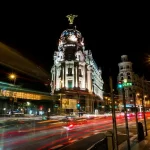
📷 Featured image by Tatjana Eva R. on Unsplash.