On this page
- Island Personalities — What Each Island Actually Feels Like
- Beaches — Where They Differ and Why It Matters
- Getting There in 2026 — Flights, Ferries and New Routes
- Food and Drink Scenes — Two Very Different Tables
- 2026 Budget Reality — What Each Island Costs
- Who Should Choose Which Island
- Day Trip or Overnight? Combining Both Islands
- Frequently Asked Questions
💰 Click here to see Spain Budget Breakdown
💰 Prices updated: August, 2026. Budget figures are estimates — always verify before travel.
Exchange Rate: $1 USD = €0.86
Daily Budget (per person)
Shoestring: €50.00 – €90.00 ($58.14 – $104.65)
Mid-range: €90.00 – €180.00 ($104.65 – $209.30)
Comfortable: €220.00 – €450.00 ($255.81 – $523.26)
Accommodation (per night)
Hostel/guesthouse: €15.00 – €50.00 ($17.44 – $58.14)
Mid-range hotel: €70.00 – €130.00 ($81.40 – $151.16)
Food (per meal)
Budget meal: €7.00 ($8.14)
Mid-range meal: €25.00 ($29.07)
Upscale meal: €80.00 ($93.02)
Transport
Single metro/bus trip: €1.50 ($1.74)
Monthly transport pass: €30.00 ($34.88)
Since Spain introduced its updated Balearic tourist tax structure in early 2026, with peak-season surcharges now reaching €4 per night in Mallorca, the question of which island to visit has become as much about budget as it is about travel style. Both islands sit in the same Mediterranean sea and share the same Regional government, yet they deliver almost entirely different experiences. This guide cuts through the marketing to help you choose the right one.
Island Personalities — What Each Island Actually Feels Like
Mallorca is the Balearics’ engine room. With a year-round population of over 900,000 and Palma functioning as a genuine European city — with a cathedral that took 400 years to build, a thriving contemporary art scene, and boutique hotels in medieval palaces — it does not feel like a resort island the moment you step away from the coast. The interior villages of Deià, Valldemossa, and Sóller operate at a pace that feels Mediterranean in the classical sense: slow, beautiful, slightly stubborn about changing.
Menorca is quieter by law, not just by character. Its designation as a UNESCO Biosphere Reserve since 1993 limits construction and caps tourist infrastructure in ways that Mallorca’s government simply doesn’t apply. You will not find a nightclub strip in Ciutadella. You will find prehistoric talayotic stone monuments in farmers’ fields, a coastline that remains genuinely undeveloped in places, and a local population that seems mildly surprised you chose to come here at all.
The wind matters on Menorca more than anywhere else in the Balearics. The Tramuntana — a cold, fierce north wind — shapes the landscape and the personality of the island. Trees grow sideways in places. Farmhouses face south. Locals know which coves are sheltered in which conditions. This is not a place that pretends the natural environment doesn’t exist.
Beaches — Where They Differ and Why It Matters
Mallorca’s beaches range from the genuinely spectacular to the genuinely overcrowded. Cala Mondragó in the southeast offers turquoise water backed by pine forest, and the natural park status limits sunbeds. Es Trenc, a 3-kilometre sweep of pale sand in the south, remains car-free thanks to bus-only access restrictions tightened in 2025. But beaches like Magaluf or Playa de Palma are mass-tourism infrastructure first and beaches second.
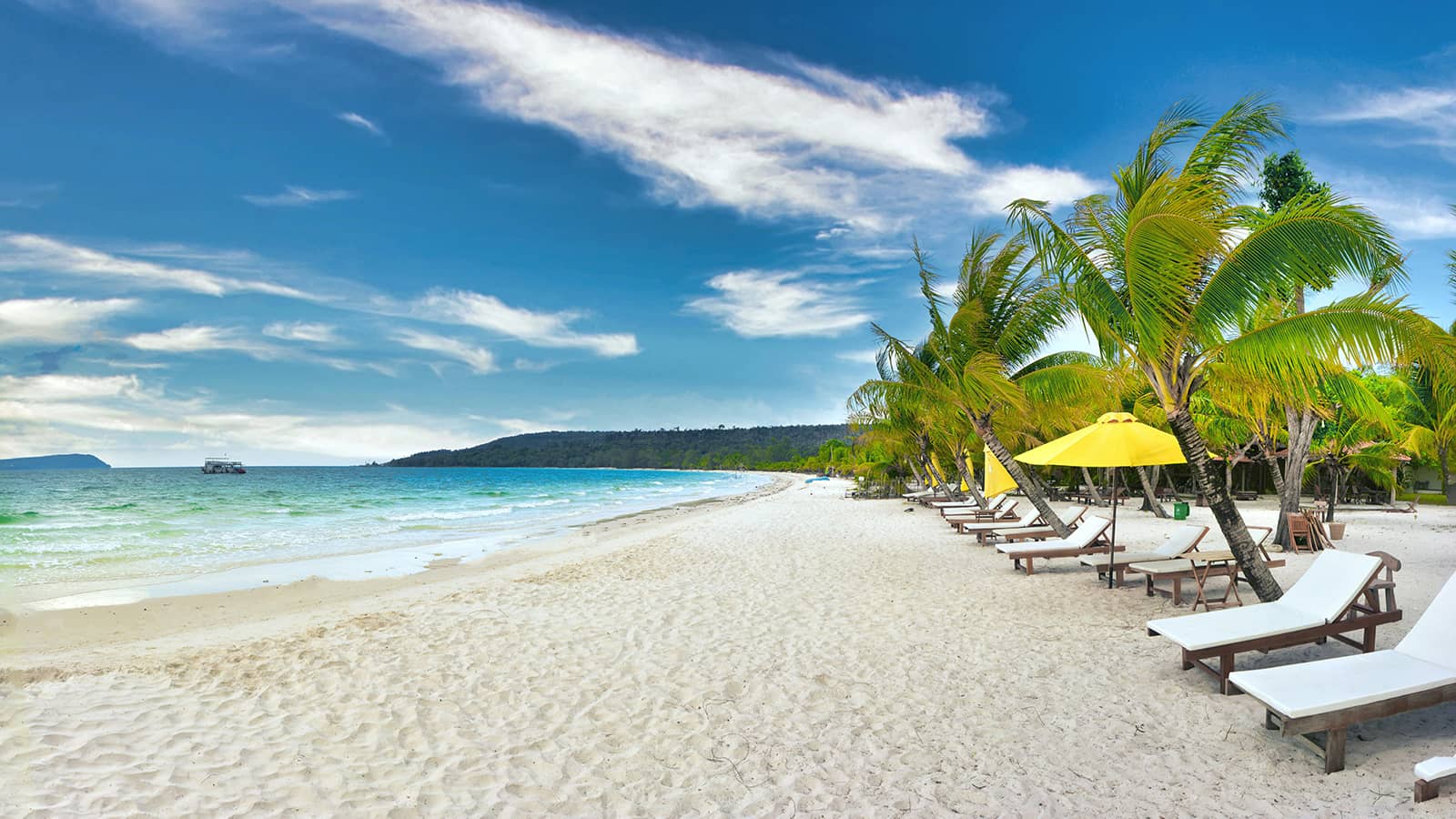
Menorca’s beaches are almost uniformly beautiful and almost uniformly harder to reach. That second fact is not an accident — it is the point. Cala Macarella requires a 25-minute walk through pine trees, which keeps the crowds manageable even in August. The water colour, a shade of blue that looks more Caribbean than Mediterranean, is consistent across the south coast. Cala Pregonda on the north coast adds red-tinted sand and rocky formations that look unlike anything else in the Balearics. The trade-off is that you are carrying your own supplies in and your own rubbish out.
Getting There in 2026 — Flights, Ferries and New Routes
Mallorca’s Son Sant Joan Airport is the third busiest in Spain. In 2026, direct services from over 50 UK airports, plus connections from most major European hubs, run from March through November. Ryanair, Vueling, Jet2 and easyJet all operate competitively priced routes. Flying into Palma and picking up a rental car or taking a bus into the city centre (line 1, about 30 minutes, €5) is straightforward.
Menorca’s Mahón Airport is much smaller. Direct routes from the UK and northern Europe exist — primarily with Jet2, TUI, and Vueling — but the shoulder season service thins out rapidly. Outside July and August, your most reliable option is often a connection through Barcelona or Palma. The flight from Barcelona to Mahón takes 45 minutes and costs €40–€90 depending on timing.
The ferry is a genuine option worth considering. Baleàlia Ferries and Trasmediterránea both run services from Barcelona and Valencia. The Barcelona–Palma crossing takes around 7–8 hours overnight, and the Barcelona–Mahón crossing around 9 hours. Cabin fares start at approximately €80 per person each way in low season. In summer 2026, Baleàlia introduced a faster daytime route from Valencia to Mahón (6.5 hours), useful for travellers coming from the Spanish mainland. The ferry between Mallorca and Menorca (Alcúdia to Ciutadella) takes around 1.5 hours and runs several times daily in summer — essential for anyone combining both islands.
Food and Drink Scenes — Two Very Different Tables
Palma’s food scene in 2026 is punching well above what most travellers expect. The Santa Catalina neighbourhood has consolidated itself as the city’s dining engine: wine bars where you eat jamón on wooden boards while standing, proper fish restaurants using catch from Palma’s fishing port, and a Mallorcan ensaïmada — a spiral pastry with a slight lard-enriched dough — that you can buy warm from a backstreet bakery before 9am. The smell of it, yeasty and faintly sweet, is specific to Mallorca in a way that no other Balearic pastry quite replicates.
Mallorca also produces serious wine from the Binissalem DO and Pla i Llevant DO regions. If you are interested in Spanish wine beyond Rioja and Ribera, the local variety Manto Negro makes a medium-bodied red worth seeking out. Several wineries offer tastings and are accessible from Palma in under 45 minutes.
Menorca’s food identity runs through caldereta de llagosta — lobster stew — a dish so local that it borders on protected cultural heritage. You will find it in restaurants in Fornells, a small fishing village on the north coast where the harbour is ringed by seafood restaurants that have been serving this same dish for generations. It is not cheap: expect to pay €45–€65 per person. The cheese, queso de Mahón, carries a DO designation and ranges from young and mild to aged, crumbly, and sharp enough to eat with local gin. Yes, Menorca has a gin culture — brought by the British during their 18th-century occupation — and pomada (gin mixed with lemon Casera) is drunk throughout the island at any hour that seems reasonable to the person drinking it.
2026 Budget Reality — What Each Island Costs
Mallorca:
- Budget: Hostel dorm or guesthouse €35–€60 per night. Street food and market lunches €10–€15. Public buses across the island.
- Mid-range: Three-star hotel in Palma or coastal town €100–€160 per night. Sit-down lunch with wine €25–€40 per person.
- Comfortable: Boutique hotel in Deià or Sóller €220–€400 per night. The tourist tax in peak season adds €4 per person per night (reduced to €2 in shoulder season).
Menorca:
- Budget: Fewer hostel options — basic rooms from €55–€75. Self-catering apartments in Mahón or Ciutadella from €70.
- Mid-range: Three-star hotel €120–€180 per night. A decent restaurant dinner €30–€45 per person.
- Comfortable: Rural agroturismo stays €200–€320 per night. Menorca’s tourist tax sits at €3 per person per night at peak in 2026.
Car hire is more or less essential on Menorca if you want to reach the coves. On Mallorca, a combination of train (the Palma–Sóller line is a genuine attraction in itself) and buses covers a lot of ground. Expect to pay €35–€55 per day for a small rental car on either island in July and August.
Who Should Choose Which Island
Choose Mallorca if you want variety. One week can take you from the gothic lanes of Palma’s old city to a silent mountain village to a sailing afternoon to a wine tasting. Mallorca rewards people who want to keep moving and mixing experiences. It also suits families better — the infrastructure, including theme parks, water parks, and beach clubs with shallow water, is simply more developed.
Choose Menorca if the goal is decompression. It is the better island for couples, for people who have done the busier destinations and want something slower, for walkers (the Camí de Cavalls coastal path circles the entire island — 185 kilometres, doable in sections), and for anyone who finds the phrase “boutique beach club” actively off-putting.
Menorca also works well for travellers who care about where their tourism money goes. The Biosphere Reserve model means a larger share of income stays in local businesses. The caldereta de llagosta you eat in Fornells almost certainly came out of the water 48 hours ago, caught by someone whose grandfather fished the same harbour.
Day Trip or Overnight? Combining Both Islands
A day trip from one to the other is technically possible — the Alcúdia to Ciutadella ferry takes around 1.5 hours — but it wastes the crossing. An overnight on Menorca with two full days gives you enough time to reach the best coves, eat properly in Ciutadella’s old port, and get a sense of the island’s pace rather than just ticking it off.
A practical two-island itinerary for a 10-day trip: fly into Palma, spend three or four days on Mallorca including Palma city and the Serra de Tramuntana mountain road. Take the ferry to Ciutadella, spend three days on Menorca. Return to Palma by ferry and fly home. The total ferry cost for this loop is approximately €60–€90 per person depending on season.
If you have only a week, commit fully to one island. Splitting a seven-day trip means you feel the transitions more than the places.
Frequently Asked Questions
Is Mallorca or Menorca better for families with young children?
Mallorca is better suited for families. It has more beach variety, calmer shallow-water spots in the south, better public transport, more accommodation options, and purpose-built attractions. Menorca’s remoter coves require walking on uneven paths that young children find difficult, and rental-car dependency makes logistics harder with small kids.
When is the best time to visit Menorca in 2026?
Late May to mid-June and September are ideal. The coves are accessible, temperatures sit at 24–28°C, the beach reservation system is under less pressure, and accommodation costs 20–30% less than August rates. The island largely closes from November through March, with very limited services outside Mahón and Ciutadella.
Do I need a car on both islands?
On Mallorca, no — buses and the Palma–Sóller train cover major routes well. On Menorca, yes, unless you stay in Mahón or Ciutadella and only use organised tours. The best beaches are only reachable by car or a combination of bus and 20–40 minute walks on unpaved paths.
How does the 2026 Balearic tourist tax work?
The Impost de Turisme Sostenible is charged per person per night and collected by your accommodation. In 2026, peak rates are €4 (Mallorca) and €3 (Menorca). Shoulder season rates are half. Children under 16 are exempt. It is paid at check-in or check-out, not pre-booked. Budget for it specifically — it adds up over a week.
Can I combine Mallorca and Menorca on the same trip?
Yes, and the Alcúdia–Ciutadella ferry makes it practical. Allow at least three full days on Menorca for it to be worthwhile. A 10-day trip handles both islands comfortably. For a seven-day holiday, choose one island and explore it properly rather than splitting your time and feeling rushed on both.