On this page
- What Makes Zaragoza Different From Other Spanish Cities
- The Old Town: Where Zaragoza’s History Lives
- Food and Drink: What and Where to Eat in Zaragoza
- Day Trip or Overnight?
- Getting To and Around Zaragoza
- 2026 Budget Reality: What to Expect to Spend
- Practical Tips Before You Go
- Frequently Asked Questions
💰 Click here to see Spain Budget Breakdown
💰 Prices updated: August, 2026. Budget figures are estimates — always verify before travel.
Exchange Rate: $1 USD = €0.86
Daily Budget (per person)
Shoestring: €50.00 – €90.00 ($58.14 – $104.65)
Mid-range: €90.00 – €180.00 ($104.65 – $209.30)
Comfortable: €220.00 – €450.00 ($255.81 – $523.26)
Accommodation (per night)
Hostel/guesthouse: €15.00 – €50.00 ($17.44 – $58.14)
Mid-range hotel: €70.00 – €130.00 ($81.40 – $151.16)
Food (per meal)
Budget meal: €7.00 ($8.14)
Mid-range meal: €25.00 ($29.07)
Upscale meal: €80.00 ($93.02)
Transport
Single metro/bus trip: €1.50 ($1.74)
Monthly transport pass: €30.00 ($34.88)
Zaragoza sits almost exactly halfway between Madrid and Barcelona on Spain‘s busiest high-speed rail corridor, yet most travellers zip straight past it without a second thought. In 2026, that’s starting to change — partly because Barcelona’s overtourism problem has pushed visitors to look elsewhere, and partly because Zaragoza itself has quietly upgraded its offer. If you’re planning a Spanish city break and you’re tired of elbow-to-elbow crowds at every monument, this is the city that deserves your attention.
What Makes Zaragoza Different From Other Spanish Cities
Zaragoza is the capital of Aragon, and it carries that identity seriously. It doesn’t feel like a provincial version of Madrid, and it doesn’t try to be Barcelona. The city has roughly 700,000 residents — big enough to have genuine urban energy, small enough that you can walk across the historic centre in 20 minutes without a map.
What sets it apart is the layering. The Romans built here (they called it Caesaraugusta). The Moors left extraordinary architecture. The Christians built one of Spain’s most recognisable basilicas right on the riverbank. All of this is stacked on top of each other across a compact area, which means cultural density without the exhaustion of a mega-city.
The other thing visitors notice immediately: the locals. Zaragozans are direct, unpretentious, and genuinely unbothered by tourists in the way that people in oversaturated destinations are not. You can walk into a bar at noon, order a house wine for €1.50, and have a real conversation. That kind of easy, unselfconscious city life is increasingly rare in Spain’s most-visited places.
The Old Town: Where Zaragoza’s History Lives
The old town clusters around the Ebro River and contains an almost implausible concentration of historic sites within a short walk of each other.
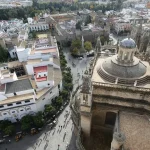
The Basílica de Nuestra Señora del Pilar dominates everything. Its eleven tiled domes are reflected in the Ebro on calm mornings, and the scale of the interior stops most people cold. This is one of Spain’s most important pilgrimage churches — the faithful come here to touch the marble column said to mark where the Virgin Mary appeared to Saint James. You don’t need to be religious to feel the weight of the place.
A short walk away, the Aljafería Palace is a 10th-century Islamic palace that later became the seat of the Aragonese monarchs. The interlocking arches and carved stucco in the original Moorish throne room are genuinely world-class — comparable to the Alhambra, but without the three-month advance booking process. In 2026, timed entry tickets are available online, but same-day slots are usually still available before 10am.
Beneath the city, the Roman ruins of Caesaraugusta are spread across four separate museums covering the forum, the river port, the baths, and the theatre. Each costs around €4 and can be visited on a combined ticket for €7. The theatre museum in particular is impressive — you descend into what remains of a 6,000-seat structure built in the 1st century BC.
Food and Drink: What and Where to Eat in Zaragoza
Aragon has its own culinary identity, and Zaragoza is where you eat it properly. The region is famous for ternasco (young lamb roasted until the skin crackles and the meat practically falls away from the bone), migas (pan-fried breadcrumbs cooked with chorizo and egg, heavier than it sounds and completely addictive), and melocotones de Calanda — peaches from the town of Calanda that are protected by a denomination of origin and are noticeably superior to anything you’ll find in a supermarket.
The bar culture here runs on tapas de contador — small bites that come free with your drink, a tradition that still survives in Zaragoza even as it has disappeared from many Spanish cities. Order a caña (small beer) or a glass of local Cariñena wine and something will arrive alongside it without you asking.
For specific places: El Cachirulo on the outskirts is the grand old institution for Aragonese cooking, but for most visitors the old town bars are more practical. The Calle del Temple area and the streets around Plaza de San Pedro Nolasco have a dense cluster of bars doing honest food at honest prices. La Miguería near the cathedral does excellent migas and bocadillos at lunch for under €8. For a sit-down meal, Taberna Doña Casta is reliable for ternasco and regional wines without being a tourist trap.
Day Trip or Overnight?
Zaragoza works as a day trip from Madrid or Barcelona, but only just. From Madrid it’s about 80 minutes by AVE; from Barcelona, around 90 minutes. That’s manageable, but you’d need to be on an early train to do it properly and get back the same evening.
The honest answer is that one night changes the experience completely. The city is different in the evening — the Pilar is lit up, the old town fills with locals (not tourists), and you get to experience the bar culture at the pace it’s meant to be enjoyed. Two nights is the sweet spot: first day for the old town and major monuments, second day for the Aljafería, the Roman museums, and a slower lunch.
If you’re travelling between Madrid and Barcelona by train rather than flying, Zaragoza is an obvious stop to break the journey. Many travellers now plan a two-night stay here mid-trip rather than rushing the corridor in one go.
Getting To and Around Zaragoza
Zaragoza’s position on the Madrid–Barcelona AVE line makes rail the obvious choice from either city. In 2026, there are roughly 20 daily high-speed services in each direction. Advance tickets on Renfe start from around €15–€25 from Madrid and €20–€30 from Barcelona if booked two to three weeks out. Full-price flexible tickets are significantly more expensive, so booking ahead matters.
Zaragoza Airport (ZAZ) has limited international connections, though Ryanair has operated seasonal routes from London Stansted and other European cities. In 2026, the airport remains a secondary option — most international visitors arrive via Madrid or Barcelona and connect by rail. From other Spanish cities like Valencia or Bilbao, direct Renfe services run to Zaragoza, typically taking between 1.5 and 3 hours depending on origin.
The old town is entirely walkable. You won’t need public transport to reach the Pilar, the Roman museums, the cathedral, or most restaurants. The Aljafería Palace is about 1.5 kilometres west of the old town centre — a 20-minute walk along a straightforward route, or a short tram ride.
Zaragoza has a tram network (the tranvía) that runs east to west across the city and is clean, frequent, and costs €1.50 per journey. Day passes are available for €4.50 and make sense if you’re planning to move around a lot. Taxis are metered and reasonably priced — a trip across the city centre rarely costs more than €8–€10. Cycling infrastructure has expanded since 2024, and the city now has a well-connected bike lane network along the Ebro riverside. The Bizi municipal bike share scheme covers the centre and has been extended to the train station area.
2026 Budget Reality: What to Expect to Spend
Zaragoza is meaningfully cheaper than Madrid or Barcelona, and that gap has not narrowed as much as it has in other mid-size Spanish cities. Here’s a realistic breakdown:
- Budget (€60–€80/day): Hostel bed or basic guesthouse (€20–€35/night), eating at bar counters and market stalls, using public transport, visiting the free or low-cost sites. The free tapas with drinks culture helps significantly here.
- Mid-range (€100–€150/day): Three-star hotel in the old town (€65–€100/night), sit-down lunches at traditional restaurants (€12–€18 for a menú del día with wine), a mix of paid and free attractions.
- Comfortable (€180–€250/day): Four-star hotel near the Pilar or river (€120–€180/night), evening meals at better restaurants (€30–€50 per person), guided tours, taxis rather than trams.
The menú del día (fixed lunch menu) is the best value meal in any category. In Zaragoza in 2026, expect to pay €11–€16 for two courses, bread, and a drink. This is lower than the Madrid equivalent, which has crept above €18 in many neighbourhoods.
Practical Tips Before You Go
The Fiestas del Pilar take place every October around the 12th. The city fills up completely, prices spike, and the streets are packed with processions, fireworks, and folk music that drifts through the cold air from every plaza. It’s a genuine celebration rather than a tourist event — but book accommodation at least two months out if you’re planning to visit then.
Summer in Zaragoza is genuinely hot. The city sits in the Ebro valley and regularly hits 38–42°C in July and August, with a dry, blasting wind called the cierzo that can make the heat feel more intense. Visit in spring (April–June) or autumn (September–October) for the best weather.
The tourist tax situation in Zaragoza as of 2026 remains simpler than in Barcelona or Madrid — there is no city-specific tourist surcharge on accommodation beyond standard regional taxes, though this is subject to change as Spanish regional governments continue to review their policies.
Spanish is the language here. Unlike Barcelona, there is no co-official regional language to navigate, though some locals are proud of their Aragonese linguistic heritage. English is spoken in most hotels and tourist-facing businesses, but learning a few words of Spanish will go a long way in the bar culture that makes this city worth visiting.
Frequently Asked Questions
Is Zaragoza worth visiting as a standalone destination?
Absolutely. Most visitors treat it as a stopover, but Zaragoza has enough — the Aljafería, the Roman museums, the Pilar basilica, strong food culture, and an authentic local atmosphere — to justify two full days as the main destination rather than a footnote on a Madrid-to-Barcelona trip.
How many days do you need in Zaragoza?
Two days covers the major highlights comfortably without rushing. One day is doable if you’re combining it with a longer rail journey. Three days allows you to slow down, explore neighbourhoods beyond the old town, and potentially take a day trip to nearby Aragonese towns like Daroca or Tarazona.
What is Zaragoza’s most famous landmark?
The Basílica de Nuestra Señora del Pilar is the city’s defining image — its tiled domes on the Ebro riverbank appear on almost every photo of the city. The Aljafería Palace is arguably more architecturally impressive and less crowded, making it the insider’s choice for the most rewarding single site visit.
Is Zaragoza expensive compared to other Spanish cities?
No. Zaragoza remains one of the more affordable large Spanish cities in 2026. Accommodation, food, and transport all cost less than the equivalent in Madrid or Barcelona. The bar culture of free tapas with drinks adds extra value for travellers eating and drinking casually through the day.
When is the best time to visit Zaragoza?
Late April through June and September through early November are the best windows. Spring brings mild temperatures around 18–24°C and fewer crowds. October brings the Fiestas del Pilar, which is spectacular but busy. Avoid July and August if you’re sensitive to extreme heat — the city regularly exceeds 40°C during summer peaks.
📷 Featured image by Yasin Onus on Unsplash.