On this page
- Santa Cruz Seville: Your Ultimate Guide to the Historic Jewish Quarter
- What Makes Santa Cruz Different From the Rest of Seville
- Navigating the Maze: Streets, Plazas, and How to Get Around
- The Alcázar and Cathedral: Visiting the Big Two From the Quarter
- Where to Eat and Drink Without Getting Burned
- 2026 Budget Reality: What Things Actually Cost in Santa Cruz
- Hidden Corners Most Visitors Walk Past
- Frequently Asked Questions
💰 Click here to see Spain Budget Breakdown
💰 Prices updated: August, 2026. Budget figures are estimates — always verify before travel.
Exchange Rate: $1 USD = €0.86
Daily Budget (per person)
Shoestring: €50.00 – €90.00 ($58.14 – $104.65)
Mid-range: €90.00 – €180.00 ($104.65 – $209.30)
Comfortable: €220.00 – €450.00 ($255.81 – $523.26)
Accommodation (per night)
Hostel/guesthouse: €15.00 – €50.00 ($17.44 – $58.14)
Mid-range hotel: €70.00 – €130.00 ($81.40 – $151.16)
Food (per meal)
Budget meal: €7.00 ($8.14)
Mid-range meal: €25.00 ($29.07)
Upscale meal: €80.00 ($93.02)
Transport
Single metro/bus trip: €1.50 ($1.74)
Monthly transport pass: €30.00 ($34.88)
Santa Cruz Seville: Your Ultimate Guide to the Historic Jewish Quarter
In 2026, Seville‘s tourist numbers have hit record highs, and Santa Cruz feels it more than anywhere else in the city. The narrow alleys that once sheltered Seville’s medieval Jewish community now funnel thousands of visitors daily between April and October. The result: overpriced sangria at tables that face nothing interesting, and crowds thick enough to make you regret coming at all — unless you know where to step off the main trail. This guide is built for people who want the real neighbourhood, not the performance of it.
What Makes Santa Cruz Different From the Rest of Seville
Santa Cruz is not just a pretty backdrop. It was Seville’s Jewish quarter — the judería — from the medieval period until 1391, when a wave of anti-Jewish violence forced the community out. The streets you walk today were laid down centuries before any modern city planning existed, which is why they curve, dead-end, and double back on themselves with no apparent logic. That chaos is the whole point.
The whitewashed walls pressing close on either side, the smell of orange blossom drifting from interior courtyards in spring, the occasional burst of flamenco guitar from an open window in the late afternoon — this is a neighbourhood that rewards slowness. Unlike the Triana district across the river, which has a real residential pulse, Santa Cruz is almost entirely given over to tourism. That honesty helps. You know what you’re getting, and you can navigate it deliberately rather than being surprised by it.
What sets it apart architecturally is the andalusian courtyard tradition — the patio. Many of the buildings in Santa Cruz hide lush, fountain-centred courtyards behind their plain street-facing walls. Several are open to visitors, particularly during the annual Patios festival in May. Don’t judge a building by its façade here.
Navigating the Maze: Streets, Plazas, and How to Get Around
The neighbourhood is small — roughly 500 metres across at its widest point — but the layout genuinely confuses people. Google Maps works, but it will still route you down alleys that feel like dead ends before opening unexpectedly into a plaza. Lean into it.
The main entry points are:
- Puerta de la Carne — the eastern gateway, closest if you’re arriving from the Alameda or the bus station area
- Plaza del Triunfo — the wide open square beside the Cathedral, which acts as the western threshold into the quarter
- Agua Street (Calle Agua) — a long, shaded lane running along the old city wall, popular and worth walking end to end

The central gathering points inside the neighbourhood are Plaza de Santa Cruz itself — a leafy square with an ornate iron cross at its centre — and Plaza de Doña Elvira, which is slightly quieter and better for sitting down. Both have café terraces, though the prices reflect the postcode.
Getting to Santa Cruz: the neighbourhood sits right in the historic centre, so walking from almost anywhere downtown takes under 15 minutes. The nearest tram stop is Archivo de Indias, one stop from the Cathedral on line T1. Taxis and rideshares can drop you at Plaza del Triunfo or Menéndez Pelayo along the eastern edge. There is no driving inside the quarter — the streets simply don’t permit it.
The Alcázar and Cathedral: Visiting the Big Two From the Quarter
Both the Real Alcázar and the Seville Cathedral border Santa Cruz directly, which makes the quarter the logical base for seeing them. But in 2026, walk-up entry is essentially impossible during peak months. Both sites require timed-entry tickets booked online, often days or weeks in advance.
For the Alcázar, the palace and gardens are a combined ticket. The upper royal apartments — which are the most visually striking rooms — require a separate add-on ticket that sells out fastest. Book that first if you want it. Morning slots (before 10:00) are consistently the least crowded, and the light in the Patio de las Doncellas at that hour is genuinely worth the early alarm.
The Cathedral is best entered via the Giralda tower booking. Climbing the tower means ascending a series of ramps rather than stairs — it was designed for horses — and the view from the top over Santa Cruz’s terracotta rooftops makes the effort worthwhile. On a clear winter morning you can see well past the Guadalquivir to the Sierra Norte in the distance.
A practical note: the queue for ticket collection at both sites moves through the northeast corner of Santa Cruz. If you’re walking from deeper in the neighbourhood, allow an extra 10 minutes for the inevitable wrong turns.

Where to Eat and Drink Without Getting Burned
The honest truth about eating in Santa Cruz: most of the restaurants on the main tourist drag — particularly around Calle Mateos Gago — are mediocre and expensive. They survive on footfall, not on food. There are exceptions, and there are also good options just one or two streets off the obvious route.
For tapas, move toward the edges of the quarter rather than its centre:
- Calle Mesón del Moro and the streets feeding off it have a handful of smaller bars with working kitchens and local regulars, especially at lunchtime.
- The area just outside Santa Cruz toward Plaza de la Alfalfa (a 5-minute walk north) has several excellent tapas bars at genuinely local prices.
- For breakfast, the churrerías near Puerta de la Carne open early and serve the kind of thick hot chocolate — dark, barely sweet, almost pudding-like in texture — that the hotel breakfast buffet will never match.
On drinks: avoid any bar displaying a sangria pitcher on a chalkboard outside. Order manzanilla (the dry, slightly salty sherry from Sanlúcar) or a cold cerveza de barril instead. You’ll pay less and drink better. Several bars in the neighbourhood still serve a free tapa with each drink if you order at the bar rather than at a table — a Sevillian tradition that is very much alive if you know to ask.
2026 Budget Reality: What Things Actually Cost in Santa Cruz
Seville has seen consistent price rises since 2024, partly driven by increased tourism demand and partly by the ongoing ripple effects of Spain’s housing market pressures on hospitality staffing costs. Here is what to expect in 2026:
Accommodation
- Budget: Hostels and guesthouses on the edges of the quarter from €35–€60 per night for a double
- Mid-range: Boutique hotels with courtyard access, €110–€180 per night
- Comfortable: Small luxury hotels inside Santa Cruz, €220–€380 per night
Food and Drink
- Tapa at the bar: €1.50–€3.50
- Full tapas lunch (3–4 dishes, drinks): €18–€28 per person at a mid-range bar
- Tourist-facing restaurant dinner: €35–€55 per person, often with unremarkable food
- Coffee: €1.50–€2.20 standing at the bar; up to €3.50 at a terrace table
Attractions
- Real Alcázar (palace + gardens): €16.50 general admission in 2026; upper apartments add-on €6
- Seville Cathedral + Giralda: €12 general admission
- Most historic patios and churches in Santa Cruz: free or under €3
Hidden Corners Most Visitors Walk Past
The best parts of Santa Cruz are the ones that don’t appear on the standard walking tour map.

The Garden of Murillo (Jardines de Murillo) runs along the eastern wall of the Alcázar and forms a green buffer between the quarter and the main road. It’s shaded, quiet by mid-morning, and almost entirely ignored by people focused on getting to the Cathedral. The benches here are some of the best free seats in the city.
Hospital de los Venerables is one of Seville’s underrated museums, housed in a 17th-century building with one of the finest baroque chapels in the city. Its Velázquez centre holds a small but significant collection. Entry is under €10 and you will rarely queue.
The old city wall fragments along Calle Agua are visible at close range if you know to look above the line of potted plants. The Roman and later Almohad construction layers are distinguishable to the eye once someone points them out — the rougher, larger stone blocks at the base are Roman; the more uniform brick above is Moorish.
Finally, if you’re in Santa Cruz on a weekday morning in spring, walk toward Callejón del Agua before 9:00. The alley is narrow enough that the two walls nearly touch overhead, the light comes in at a low angle, and the sound of the city hasn’t yet broken through. It is one of those moments in Seville that you don’t photograph well but remember clearly.
Frequently Asked Questions
Is Santa Cruz in Seville safe for tourists?
Santa Cruz is one of the safest neighbourhoods in Seville for visitors. The main risks are the same as in any busy tourist area: pickpocketing in crowded spots near the Cathedral and Alcázar. Keep bags in front of you in crowds and avoid obvious displays of expensive equipment. The neighbourhood itself is well-lit and active until late.
How much time do I need to explore Santa Cruz properly?
A half-day covers the neighbourhood itself comfortably. Add a full day if you’re including timed visits to the Alcázar and Cathedral. A single morning walk through the quarter without attractions takes about 90 minutes at a relaxed pace and reveals most of the key streets and plazas.
Can I stay inside Santa Cruz, or is it better to stay nearby?
Staying inside the quarter is atmospheric but comes with trade-offs: narrow streets make luggage transport awkward, prices are higher, and noise from late-night visitors carries easily. Staying in adjacent areas like El Arenal or near Plaza Nueva gives easy access with more practical conditions and often lower nightly rates.

What is the best time of year to visit Santa Cruz?
March, late October, and November offer the best balance of good weather and manageable crowds. April brings Semana Santa and Feria — extraordinary experiences but extremely busy and expensive. July and August are genuinely brutal at 38–42°C and the neighbourhood becomes uncomfortably packed by mid-morning.
Are there any free things to do in Santa Cruz?
Several churches in the neighbourhood have free entry during morning mass hours. The Jardines de Murillo and the walks along Calle Agua and Callejón del Agua cost nothing. Many interior courtyards open during the May Patios festival without charge. Simply walking the streets and sitting in the plazas is, genuinely, the best free activity the quarter offers.
Explore more
The Best Neighbourhoods in Seville for First-Time Visitors
Is Cordoba a Good Day Trip from Seville?
Best Places to Eat in Seville, Spain — Where to Find Great Food
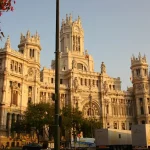
📷 Featured image by Jose Manuel Esp on Unsplash.