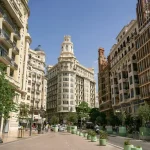
What Centro Histórico Feels Like in 2026
Málaga‘s old town has a reputation problem — not because it’s bad, but because people keep underestimating it. Many visitors treat Centro Histórico as a quick stop between the beach and the Picasso Museum, then wonder why they feel like they missed something. In 2026, with the cruise passenger cap finally enforced at the port and the new pedestrianisation of Calle Alcazabilla completed, the neighbourhood has found a better rhythm. Centro Histórico is compact — roughly one square kilometre of limestone streets, Baroque facades, and orange trees — but it contains more density of history and daily life than most Spanish cities manage in an entire district. It’s not a museum quarter. People live here. You’ll hear washing machines through open windows on Calle Granada and see elderly men reading newspapers outside the same café they’ve used for forty years.
The neighbourhood has two distinct personalities depending on the time of day. Before noon, it belongs to locals: the covered Atarazanas market is at full volume, delivery bikes thread through Plaza de la Constitución, and the streets smell of fresh bread and strong coffee. After sunset, the restaurants and wine bars take over, and the stone streets hold the warmth of the day like a radiator. Walk through Calle Beatas on a warm evening and the air carries jasmine from interior courtyards — that mix of warm stone and night flowers is one of those Málaga details that doesn’t make it into the brochures. This guide is for people who want both layers.
The Streets Worth Walking
Centro Histórico rewards aimless walking, but a few specific streets and plazas will anchor your time well.
- Calle Larios — The main pedestrian artery, marble-paved and lined with palm trees. It connects Plaza de la Marina to Plaza de la Constitución. The chain shops here are unremarkable, but the architecture above the shopfronts is beautiful — look up.
- Calle Granada — Runs north from the centre toward El Soho. This is the gallery street: small contemporary art spaces, independent boutiques, and some of the old town’s best wine bars are all on or just off this road.
- Calle Alcazabilla — Freshly pedestrianised in 2025 and noticeably better for it. This is the cultural spine of the old town, connecting the Roman Theatre to the foot of the Alcazaba. Outdoor seating here now feels relaxed rather than traffic-adjacent.
- Plaza de la Merced — Picasso was born a few metres from this square. It’s a proper neighbourhood plaza with benches under the trees, a daily outdoor bar, and a population of pigeons that have clearly been here longer than the tourists.
- Calle Compañía — Quieter than Larios, with interesting small shops and the Oratorio San Felipe Neri, a small Baroque church that’s often overlooked entirely.

Landmarks and Architecture You Shouldn’t Rush
The big three in Centro Histórico are the Cathedral, the Alcazaba, and the Roman Theatre. Most people see all three in a half-day. That’s too fast.
Málaga Cathedral (La Manquita)
The cathedral’s nickname — La Manquita, “the one-armed woman” — comes from the unfinished second tower. The money was diverted to fund the American Revolution (seriously). Inside, the choir stalls carved by Pedro de Mena in the 17th century are extraordinary — forty figures with enough individual expression that you can spend twenty minutes just on that one section. Admission in 2026 is €6. The roof tour, worth an extra €3, gives you views over the entire old town and down to the port.
The Alcazaba
Málaga’s 11th-century Moorish fortress climbs the hillside above the Roman Theatre. The gardens inside are some of the most serene in any Spanish city — bougainvillea over stone walls, fountains, cats sleeping in the sun. Admission is €3.50, or free on Sunday afternoons after 14:00. The views from the upper terraces across the port and old town are the best free photograph in Málaga. Allow ninety minutes minimum.
The Roman Theatre
Entry is free. It sits at the base of the Alcazaba hill, partially embedded in the foundations of later buildings — you can see the layers of history literally stacked on top of each other. The small interpretation centre beside it explains the excavation timeline clearly. Best visited in the morning when the light hits the stone at a low angle and the tour groups haven’t arrived yet.
Where to Eat and Drink in Centro Histórico
Avoid the restaurants immediately surrounding Plaza de la Constitución — the food quality drops sharply in proportion to how visible the terrace is from the main square. Walk one block in any direction and the situation improves immediately.

Tapas and Casual Eating
El Pimpi on Calle Granada is the most famous bar in the city and justifiably so — a sprawling bodega with wine barrels signed by famous visitors, good local wine by the glass, and honest boquerones (anchovies). It’s busy but not a tourist trap. Casa Lola on Calle Granada serves some of the best espetos (sardines on skewers) you’ll find away from the beach. Uvedoble Taberna near the Alcazaba is the choice for natural wines and creative small plates — less traditional, more interesting.
Coffee and Breakfast
Málaga has its own coffee vocabulary: a solo corto is an espresso, a nube is mostly milk with a drop of coffee, and a mitad is half-and-half. Order anything else and locals will look at you with mild concern. Café Central in Plaza de la Constitución has been serving Málaga’s coffee since 1925. The marble bar, the wooden cabinet of cups, and the practiced speed of the staff are all intact.
Shopping in the Old Town
Calle Larios and its surrounding streets are mostly chains. The interesting shopping is on Calle Granada, where independent ceramics studios and small design shops sit alongside each other. Calle Compañía has a handful of good independent bookshops with Spanish-language titles. For food shopping, Mercado de Atarazanas on Calle Atarazanas is the real Málaga market — a 19th-century iron-and-tile structure with a spectacular stained-glass window. Locals buy their fish, olives, cheese, and jamón here. The stalls around the entrance sell fresh fruit and local almonds. It’s open Monday to Saturday, 08:00–15:00, and closes early on Saturdays.
2026 Budget Reality
Málaga’s old town sits in a comfortable middle tier — cheaper than Barcelona or Madrid, pricier than it was five years ago. Here’s what to expect:
- Budget — Coffee: €1.50–€2. Tapa at a bar (free with drink at some traditional bars): €0–€3. A bocadillo for lunch: €4–€6. Dorm in a hostel near the centre: €22–€30/night.
- Mid-range — A sit-down lunch menu del día (two courses, drink, dessert): €13–€16. Dinner per person with wine at a decent restaurant: €30–€45. A double room in a good boutique hotel in Centro: €110–€160/night.
- Comfortable — Dinner at a serious restaurant with a wine pairing: €60–€90 per person. A hotel in a converted historic building: €180–€260/night. Museum combo tickets for a full day: €12–€18 per person.

Note: Málaga’s tourist tax increased in January 2026 to €2.50 per person per night for most hotel categories in Centro Histórico. This is added to your bill at checkout — it’s not included in the rates advertised online.
Getting There and Getting Around Centro Histórico
Centro Histórico is entirely walkable once you’re in it. Almost everything mentioned in this guide is within a fifteen-minute walk of Plaza de la Constitución. The key is getting there first.
From Málaga Airport
The Cercanías train (Line C-1) runs from the airport to Málaga Centro-Alameda station in about twelve minutes. Tickets cost €1.80. The station drops you at the western edge of the old town — five minutes on foot to Calle Larios. The train runs every twenty minutes and is faster and cheaper than any taxi. In 2026, the airport has extended the C-1 platforms to accommodate longer trains during peak summer hours, which has reduced crowding significantly.
From Málaga María Zambrano (Main Train Station)
The AVE and regional train station is about 1.5 kilometres west of Centro. You can walk it in twenty minutes, take bus lines 3 or 16, or use the metro (one stop). The metro in Málaga currently terminates at El Perchel, about ten minutes’ walk from the old town — a short extension toward the centre has been approved but is not expected until 2028.
Within the Old Town
Most of Centro Histórico is either pedestrianised or access-restricted. Don’t try to drive in. If you’re staying in an old town hotel, they’ll send you specific access instructions — arriving by car otherwise means parking in one of the perimeter car parks (Alcazaba or La Merced) at around €2.50–€3.50 per hour and walking in. Cycling is possible on the outer streets but impractical in the narrow interior lanes.
Frequently Asked Questions
How much time do you need in Málaga’s Centro Histórico?
Two full days gives you enough time to explore the main landmarks without rushing, eat well, walk the streets at different times of day, and visit the Picasso Museum. A single day is enough for first-time visitors who are prioritising highlights — focus on the Alcazaba, the Cathedral, and a long lunch somewhere on Calle Granada.
Is Centro Histórico safe at night?
Yes, very much so. The old town is lively until well after midnight in summer and remains a busy, well-lit neighbourhood. Normal city caution applies — watch your belongings in crowded areas like Calle Larios and Plaza de la Constitución — but Centro is among the safest urban environments in southern Spain at night.

What’s the best time of year to visit Málaga’s old town?
March to May and October to November are the sweet spots. Temperatures are comfortable (18–24°C), crowds are manageable, and the city is functioning normally. July and August are hot (36–40°C in the old town), and while everything is open, the heat between noon and 17:00 makes sightseeing genuinely uncomfortable. Semana Santa in spring is spectacular but very busy.
Are there free things to do in Centro Histórico?
Several. The Roman Theatre is free year-round. The Alcazaba is free every Sunday afternoon from 14:00. The Centre Pompidou Málaga offers free entry on Sunday afternoons. Walking Calle Larios, exploring the Atarazanas market, and wandering through the historic streets costs nothing. A full day in Centro Histórico can be done for under €10 if you’re strategic about it.
Can you stay in Centro Histórico, or is it better to stay near the beach?
Staying in the old town puts you within walking distance of everything cultural and makes evening dining easy — no taxi back after dinner. The beach is a fifteen to twenty-minute walk or a short bus ride away. For a city-focused trip, Centro is the better base. For families or anyone whose priority is beach time with culture as a secondary activity, the Malagueta or La Caleta beachfront neighbourhoods are more practical.
Explore more
Nerja & Frigiliana Day Trip from Málaga: Caves, Beaches & White Villages
Best Neighborhoods in Málaga, Spain — Area-by-Area Guide
The Ultimate Málaga Food Guide: Where to Eat Now
📷 Featured image by Alexander Awerin on Unsplash.