On this page
- What Makes Alicante Different From the Rest of the Costa Blanca
- The Beaches — Which Ones Are Actually Worth Your Time
- Castillo de Santa Bárbara — More Than Just a Photo Stop
- The Old Town (El Barrio) and the Explanada — Where the City Actually Lives
- Alicante’s Food Scene — What to Eat and Where to Find It
- Day Trips From Alicante Worth Planning Around
- Getting to Alicante in 2026 — Flights, AVE, and Transfers
- Getting Around the City and Coast
- 2026 Budget Reality — What Things Actually Cost
- How Long You Actually Need
- Frequently Asked Questions
💰 Click here to see Spain Budget Breakdown
💰 Prices updated: October, 2026. Budget figures are estimates — always verify before travel.
Exchange Rate: $1 USD = €0.88
Daily Budget (per person)
Shoestring: €60.00 – €90.00 ($68.18 – $102.27)
Mid-range: €120.00 – €180.00 ($136.36 – $204.55)
Comfortable: €220.00 – €470.00 ($250.00 – $534.09)
Accommodation (per night)
Hostel/guesthouse: €15.00 – €50.00 ($17.05 – $56.82)
Mid-range hotel: €70.00 – €130.00 ($79.55 – $147.73)
Food (per meal)
Budget meal: €7.00 ($7.95)
Mid-range meal: €25.00 ($28.41)
Upscale meal: €80.00 ($90.91)
Transport
Single metro/bus trip: €3.00 ($3.41)
Monthly transport pass: €24.00 ($27.27)
Alicante has spent years being treated as a gateway city — somewhere you land, pick up a hire car, and drive straight to Benidorm or Calpe. In 2026, that pattern is shifting. With new tourist pressure on the northern Costa Blanca resorts and a smarter generation of travellers looking for real Cities rather than resort strips, Alicante itself is finally getting the attention it deserves. The city has beaches, a hilltop castle, a historic old town, and a local food culture that most visitors drive straight past. This guide is for the ones who stop.
What Makes Alicante Different From the Rest of the Costa Blanca
The Costa Blanca stretches roughly 200 kilometres from Dénia in the north to Pilar de la Horadada in the south. Most of it is resort territory — purpose-built tourism infrastructure aimed squarely at sun-and-sea packages. Alicante is different because it functions as a real city first and a tourist destination second.
Around 330,000 people live here year-round. There are university faculties, a working port, a covered market that feeds actual residents, and a bar culture built on local habit rather than tourist demand. The city has its own distinct identity rooted in Valencian and Murcian influences, and it celebrates the Hogueras de San Juan bonfires in June with a ferocity that rivals Valencia’s Fallas — giant papier-mâché sculptures burned in the streets at midsummer, with fireworks that shake the windows.
What this means for visitors in practical terms: prices are lower than Barcelona or Málaga, the crowds are more manageable outside August, and you get access to genuine neighbourhood life alongside the beaches and monuments.
The Beaches — Which Ones Are Actually Worth Your Time
Alicante has two main city beaches, and they are not equal.
Playa del Postiguet is the central beach — convenient, well-serviced, with sunbed rentals and showers, right below the castle hill. It gets busy from late June through August, and the sand is fine and pale. Good for a morning swim before exploring the city. Not somewhere you’d spend a full day in high summer unless you arrive early.
Playa de San Juan, about 6 kilometres north of the centre, is longer, wider, and the preferred beach for locals. The tram connects it directly to the city. The water is clear, the beach has more breathing room, and the surrounding neighbourhood has proper restaurants rather than beach kiosks. If you’re choosing between the two for a full beach day, go here.
Within day-trip distance, Cala del Moro near Santa Pola and the coves around Villajoyosa offer smaller, more sheltered spots. For the famous turquoise water that defines Costa Blanca photography, you need to head to the Cabo de las Huertas headland, just east of the city — rocky coves with calm water and considerably fewer people.
Castillo de Santa Bárbara — More Than Just a Photo Stop
The castle sits on Mount Benacantil, 166 metres directly above the city beach. The silhouette — a flat-topped rock with fortress walls — is Alicante’s defining image. Most visitors take the lift (accessed via a tunnel on the beach side, €3.50 in 2026) and spend twenty minutes at the top taking photographs. That approach misses most of what’s worth seeing.
The fortress was occupied continuously from the 9th century through the Spanish Civil War. Walking through the different construction phases — Moorish foundations, 16th-century Habsburg fortifications, 18th-century gun batteries — tells you more about the Mediterranean’s violent history than most museums. The views extend south toward the salt lagoons of Santa Pola and north up the coast toward Benidorm’s skyline.
Go early morning or late afternoon. The rock absorbs heat aggressively, and midday in summer the exposed upper sections reach temperatures that make it genuinely unpleasant. The path up from the old town takes about 20 minutes on foot and is the better approach — you pass through the old fortification gates and arrive with a sense of the scale that the lift entrance skips entirely. Admission to the castle itself is free; the lift costs €3.50 return.
The Old Town (El Barrio) and the Explanada — Where the City Actually Lives
El Barrio sits at the base of the castle hill — a tight grid of narrow streets with whitewashed walls, tapas bars, and the kind of neighbourhood noise that tells you people actually live there. On weekend evenings the streets fill with a mix of locals and visitors moving between bars. The atmosphere from around 21:00 onwards has an energy that the resort towns simply can’t replicate.
The Explanada de España is the city’s central promenade — a wide marble walkway along the port, famous for its mosaic floor made from 6.5 million marble tiles in wavy red, white, and black patterns. It sounds touristy. In practice, it’s where the whole city walks in the evening, buys ice cream, watches the boats, and does the Spanish paseo properly. The smell of salt air and fried food drifts up from the port restaurants as the light drops over the water.
The Mercado Central de Abastos, a few streets inland, is a covered market worth visiting on a weekday morning. The fish section shows what’s being pulled from local waters, the fruit stalls are cheaper than any supermarket, and the bar inside the market serves breakfast to the people who work there — strong coffee and a bocadillo for under €3.
Alicante’s Food Scene — What to Eat and Where to Find It
Alicante’s signature dish is arroz a banda — rice cooked in fish stock, served separately from the fish, finished with alioli. It’s a fisherman’s dish, originally made from the less-desirable catch, and it’s excellent. The best versions come from restaurants in the port area and in the fishing district of El Palmeral. El Buen Comer on Calle Mayor and La Vaquería near the market are reliable choices for local rice dishes without tourist-menu pricing.
Tapas culture here leans heavily on fresh seafood — boquerones (anchovies), gambas rojas (red prawns from Santa Pola, considered among the best in Spain), and coquinas (small clams). Bars in El Barrio serve tapas with drinks in the traditional style — order a beer or a glass of local Monastrell wine and the tapa often comes with it.
Turrón — the nougat confection — is produced in the nearby town of Jijona and sold everywhere in Alicante. The soft, crumbly Jijona variety and the hard Alicante variety are genuinely different products. Both are available year-round, not just at Christmas, and the specialist shops near the Explanada sell factory-direct versions worth bringing home.
Day Trips From Alicante Worth Planning Around
Tabarca Island is the obvious choice — a tiny fortified island 22 kilometres offshore, reachable by ferry from the port (about 45 minutes, €18–22 return in 2026). It’s Spain’s smallest inhabited island, with a protected marine reserve, clear water excellent for snorkelling, and a handful of restaurants serving fresh fish. Go on a weekday if possible; summer weekends see the island become genuinely overcrowded.
Elche (Elx in Valencian) is 20 minutes by train — a UNESCO-listed palm forest, a medieval old town, and one of Spain’s most important archaeological sites (the Lady of Elche sculpture was found nearby). It gets a fraction of the visitors Alicante does and deserves at least half a day.
Guadalest is an inland mountain village perched on a rock spike, about 60 kilometres north. The views over the reservoir are extraordinary. The village is popular with coach tours in summer, but early morning visits are quiet and the drive through the Serra d’Aitana mountains is worth doing regardless.
Dénia and Jávea (Xàbia) to the north offer dramatic cliff coastlines and the Cap de Sant Antoni headland — a different landscape entirely from the flat southern Costa Blanca. Reachable by car or bus in under 90 minutes.
Getting to Alicante in 2026 — Flights, AVE, and Transfers
Alicante-Elche Miguel Hernández Airport (ALC) handles direct routes from across Europe, with Ryanair, Vueling, easyJet, and Jet2 all operating significant schedules in 2026. New routes from several Eastern European cities were added in the 2025–26 winter schedule, reflecting growing demand from Polish, Romanian, and Czech travellers.
The AVE high-speed rail connection from Madrid reaches Alicante in approximately 2 hours 20 minutes. Fares vary considerably by booking time but budget €25–80 one way on Renfe’s AVLO low-cost service if booked several weeks ahead. From Valencia, regional trains (the Euromed or Alvia) take around 1 hour 45 minutes.
The airport is 12 kilometres from the city centre. The direct bus (line C-6) runs to the city centre in about 25 minutes and costs €3.85 in 2026. Taxis cost €20–28 depending on traffic. The long-discussed tram extension to the airport has not yet materialised as of 2026, though it remains in regional infrastructure plans.
Getting Around the City and Coast
Central Alicante is walkable for most purposes — the castle, beach, old town, Explanada, and market are all within 15 minutes on foot from each other. The city’s tram network (TRAM Metropolitano d’Alacant) is the key tool for going further. Line 1 connects the city centre to Playa de San Juan and continues north to El Campello. Line 3 and Line 4 head inland toward Benidorm — yes, you can reach Benidorm by tram from Alicante, one of the more enjoyable journeys on the coast.
For day trips, a hire car opens up the inland villages and smaller coves that public transport doesn’t reach well. Rental prices at the airport in 2026 run from €25–45 per day for a small car, though booking through aggregator sites a few weeks ahead still produces meaningfully lower rates than desk walk-ups.
2026 Budget Reality — What Things Actually Cost
- Budget (hostel/guesthouse, market meals, local bars): €60–80 per person per day
- Mid-range (3-star hotel, sit-down meals, tram/bus transport): €110–160 per person per day
- Comfortable (4-star hotel, restaurant dining, car hire): €180–250 per person per day
Specific prices to benchmark against:
- Coffee (café con leche) at a local bar: €1.40–1.80
- Menú del día (set lunch with wine): €12–16
- Arroz a banda for two at a port restaurant: €28–40
- Castle lift (return): €3.50
- Tabarca ferry (return): €18–22
- City tram single journey: €1.45
- Mid-range hotel room (July/August): €90–140 per night
- Mid-range hotel room (May/June, September/October): €65–100 per night
Alicante remains noticeably cheaper than Barcelona or Málaga for comparable quality. The shoulder months — May, June, September, and October — offer the best combination of price and weather, with sea temperatures comfortable for swimming from late May onward.
How Long You Actually Need
Two nights is the honest minimum for the city itself — enough time for the castle, El Barrio, the beaches, and a proper meal or two. Add a third night if you want to include a day trip to Tabarca or Elche without feeling rushed. A four or five night stay makes sense if Alicante is your base for exploring the wider Costa Blanca rather than just the city.
The city works well as a base precisely because it has genuine infrastructure — good transport connections, a range of accommodation at different price points, and enough restaurants and bars that you’re not eating at the same three places by day two. Resort towns along the coast often can’t claim the same.
Frequently Asked Questions
Is Alicante worth visiting, or should I go straight to the beach resorts?
Alicante is worth visiting in its own right — it has a real city character that resort towns like Benidorm lack. The castle, old town, food scene, and beaches give you a fuller experience. Use Alicante as your base and the beach resorts become easy day trips rather than your only option.
What is the best time of year to visit Alicante?
May, June, September, and October offer the best conditions — warm enough to swim, significantly fewer crowds than July and August, and lower hotel prices. The Hogueras de San Juan festival in late June is one of Spain’s most spectacular local events and worth timing a visit around if possible.
How do I get from Alicante Airport to the city centre?
The C-6 bus runs directly from the airport to the city centre in around 25 minutes and costs €3.85 in 2026. Taxis cost €20–28. There is no direct tram link to the airport as of 2026, despite ongoing plans. The bus is the most practical and affordable option for most travellers.
Is Alicante safe for tourists?
Alicante is generally a safe city. Petty theft — bag snatching and pickpocketing — occurs in busy beach and tourist areas, particularly around Postiguet beach in summer. Normal precautions apply: don’t leave belongings unattended on the beach, keep bags close in crowded areas. El Barrio late at night is lively but not dangerous.
Can I visit Tabarca Island as a day trip from Alicante?
Yes — ferries run from Alicante port year-round, with more frequent services in summer. The crossing takes about 45 minutes and costs €18–22 return in 2026. Arrive early in summer, as the island is small and can feel overcrowded by midday on weekends. Weekday visits are noticeably quieter and more enjoyable.
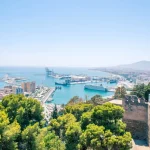
📷 Featured image by Sergio Guardiola Herrador on Unsplash.