On this page
- Spanish Greetings: Physical Contact, Titles, and Who Goes First
- Dining Hours and Table Etiquette: Why Eating “On Time” Will Work Against You
- The Siesta Misunderstanding: What Actually Closes and When
- Dress Codes in Churches, Beaches, and Everyday Life
- Tipping Culture in 2026: What’s Expected and What’s Insulting
- Noise, Volume, and Public Behaviour: Spain’s Unwritten Social Contract
- 2026 Budget Reality: What Faux Pas Cost You (Literally)
- Frequently Asked Questions
Spain received a record number of first-time international Visitors in 2025, and in 2026 that number keeps climbing. The problem? A flood of online travel content recycles the same vague advice — “be respectful,” “embrace the culture” — without telling you what that actually looks like on the ground. Missteps happen not from bad intentions but from genuine ignorance: showing up at a restaurant at 6pm expecting dinner, accidentally flashing too much skin near a cathedral, or overtipping in a way that reads as condescending. This handbook cuts through the noise with specific, actionable guidance on how Spaniards actually behave — and what they quietly judge when visitors don’t.
Spanish Greetings: Physical Contact, Titles, and Who Goes First
The two-cheek kiss — known as dos besos — is the standard greeting between people who know each other, and increasingly between strangers in social settings. Left cheek first, always. The kiss is air-based; pressing lips to skin is considered intimate, not friendly. Men typically shake hands with other men on a first meeting, though in southern Spain and casual social circles, two-cheek kisses between men are completely normal and carry zero social stigma.
Where visitors consistently go wrong is with formality. Spaniards use usted (formal “you”) with elderly people, authority figures, and in professional contexts. Jumping straight to tú (informal) with an older shopkeeper or a hotel manager isn’t just grammatically incorrect — it registers as rude, even if unintentionally. When in doubt, start formal and let the Spaniard invite you to drop it.
One more thing: Spaniards do not queue in silence or maintain the personal-space bubble that Northern Europeans and Americans expect. Standing close during conversation is normal. Stepping back signals discomfort or coldness. Lean into it — literally.
Dining Hours and Table Etiquette: Why Eating “On Time” Will Work Against You
Spanish meal times operate on a completely different clock to most of the world, and ignoring this is the single most common visitor mistake. Lunch runs from roughly 2pm to 4pm — this is the main meal of the day. Dinner starts at 9pm and rarely before, with many Spaniards sitting down closer to 10pm or 11pm. Restaurants in tourist-heavy areas may open earlier to catch hungry visitors, but the kitchen quality and atmosphere at 6:30pm is often a diminished experience compared to what arrives later in the evening.

At the table, a few rules hold firm:
- Do not ask to split the bill mid-meal. Payment is typically settled at the end, often by whoever invited the group. If you want to split, mention it quietly to the server when ordering, not after the food arrives.
- Bread is not an appetiser. It comes with the meal, and you use it to mop up sauces — not to eat before the food arrives with oil as a starter, American-style.
- Rushing is an insult. The check (la cuenta) will not appear until you ask. Leaving it on the table unsolicited would embarrass a Spanish waiter. Lingering over coffee after a meal is not just accepted — it’s expected. The Spanish word for this is sobremesa: the time spent at the table after eating, talking.
- Tapas etiquette varies by region. In Granada and Almería, tapas still come free with drinks. In Madrid and Barcelona, you order and pay for them. Assuming they’re complimentary in the wrong city creates awkward moments.
The smell of strong espresso and the low hum of conversation filling a bar at 2:30pm on a Tuesday — this is lunch culture working as designed. Visitors who schedule afternoon activities during these hours often find shops shuttered and streets quiet, because Spaniards are at the table.
The Siesta Misunderstanding: What Actually Closes and When
The siesta is real, but it’s been oversimplified. Large supermarkets, shopping malls, and major tourist attractions in cities like Madrid, Barcelona, and Seville typically do not close in the afternoon. What does close — reliably and without warning — are small independent shops, family-run businesses, local pharmacies in residential neighbourhoods, and many municipal offices. Hours vary by region and season: in Andalusia during summer, the midday closure can stretch from 2pm to 6pm.
The practical rule: if you need something from a small, locally owned business, handle it before 2pm or after 5:30pm. Don’t bank on it being open between those hours, and never show visible frustration at a closed sign. Banging on a shuttered door or peering through the glass is considered aggressive behaviour.
In 2026, several Spanish municipalities have updated their trading hour regulations following EU working-condition directives, giving small businesses more flexibility. But the cultural inclination toward a midday break remains strong — particularly outside the major cities.

Dress Codes in Churches, Beaches, and Everyday Life
Spain has a relaxed attitude toward fashion in most contexts, but religious sites are non-negotiable. Entering a cathedral, basilica, or active chapel in sleeveless tops, shorts above the knee, or low-cut clothing will get you turned away at the door — politely but firmly. This applies to the Sagrada Família in Barcelona, the Cathedral of Seville, and every rural ermita in between. Carry a light scarf or overshirt during summer. Many churches now offer wraps at the entrance for a small fee, but relying on this is disorganised and unnecessary.
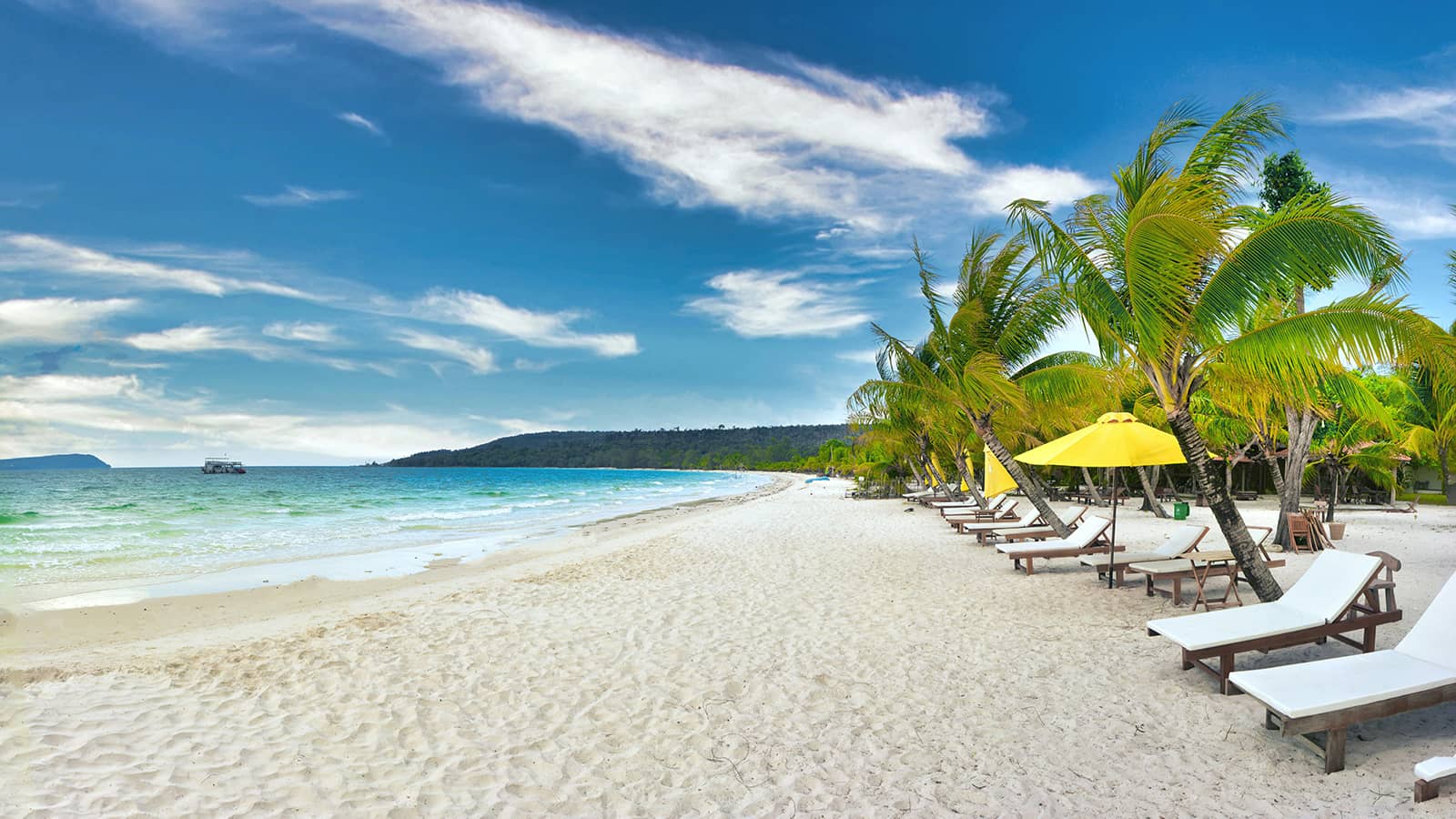
On the beach, the rules run the other direction. Topless sunbathing is legal on all Spanish public beaches and remains socially accepted, though less common in 2026 than a decade ago among younger Spaniards. Nudist beaches (playas nudistas) are clearly marked. What’s not acceptable: walking through a town centre, entering a shop, or sitting in a café in nothing but a swimsuit. Many coastal towns — including Palma de Mallorca and several Sitges streets — now enforce fines between €100 and €500 for exactly this behaviour under regulations tightened in 2024 and still active in 2026.
Day-to-day dress in Spain skews smarter than visitors expect. Spaniards take personal presentation seriously, particularly in cities. Turning up to a nice dinner in flip-flops and a wrinkled T-shirt won’t get you thrown out, but it will mark you immediately as a tourist who hasn’t made any effort.
Tipping Culture in 2026: What’s Expected and What’s Insulting
Spain does not have an American-style tipping culture, and in 2026 this hasn’t changed despite inflation and rising hospitality wages. Tipping is appreciated but genuinely optional. The common practice is to round up the bill — leaving the coins from your change, or an extra euro or two on a café table. For a full sit-down dinner for two, €3–€5 is generous. More than that can feel performative.
What to avoid: handing a server a €50 note for a €38 bill and saying “keep it” reads as ostentatious rather than generous in most Spanish contexts. Equally, tipping dramatically on a bad service experience in hopes of compensating rarely lands well culturally — Spaniards do not associate tips with quality signals the way North Americans do.
At hotel bars and café counters, small coin tips left in the tray are perfectly normal. For guided tours, €5–€10 per person for a half-day tour is a fair benchmark in 2026 and is genuinely welcomed.

Noise, Volume, and Public Behaviour: Spain’s Unwritten Social Contract
Spain is loud. Bars are loud. Families at Sunday lunch are loud. Spaniards talking on the phone in a plaza are loud. This is not considered rude — it reflects an open, expressive culture where animated conversation is a sign of engagement, not aggression. Visitors who come from quieter cultures sometimes make the mistake of shushing people or shooting disapproving looks in public spaces. This will not be received well.
At the same time, there are real noise limits that matter. Residential neighbourhoods enforce strict quiet hours — typically 11pm to 8am — and these are taken seriously by locals even if street celebrations sometimes push past them. Shouting in hotel corridors after midnight, slamming doors, or playing music on speakers in public parks will draw genuine complaints from neighbours and, in some municipalities, fines.
On public transport — particularly the Metro and commuter trains — the culture is quieter than the street. Loud phone calls and speaker-played music in a train carriage are considered antisocial behaviour, not a quirk.
2026 Budget Reality: What Faux Pas Cost You (Literally)
Some cultural missteps in Spain now carry direct financial penalties. Here’s what you need to know:
- Swimwear in town centres (coastal areas): €100–€500 fine depending on the municipality. Palma, Sitges, and several Costa Brava towns enforce this actively in 2026.
- Tourist tax (tasas turísticas): Fees have increased across Catalonia, the Balearic Islands, and the Canary Islands since 2024. In Barcelona, overnight visitors now pay up to €6.75 per person per night in peak season. Not a faux pas — but failing to pay it or arguing with hotel staff about it is.
- Photography restrictions: Several major cathedrals and museums have introduced or tightened photography bans in 2026. Ignoring posted signs risks equipment confiscation at the door and €50–€200 fines in some sites.
For general travel budgeting in 2026:
- Budget traveller: €60–€90 per day (hostel, market meals, public transport)
- Mid-range: €130–€200 per day (3-star hotel, sit-down meals, day trips)
- Comfortable: €250–€400+ per day (4–5 star accommodation, full restaurant dinners, private transfers)
Frequently Asked Questions
Is it rude to speak English in Spain without trying Spanish first?
Not rude, but making a small effort goes a long way. Opening with “Hola, ¿hablas inglés?” — Hello, do you speak English? — is appreciated far more than launching straight into English. In rural areas and smaller towns, basic Spanish is genuinely necessary, as English proficiency drops significantly outside major cities.

Can I eat lunch at noon in Spain without it being a problem?
You can eat whenever you want, but you’ll often find restaurants offering a limited menu or still setting up before 1:30pm. The full lunch experience — three courses, house wine, bread — only runs reliably from 2pm onward. Going early means fewer options and sometimes a noticeably different atmosphere.
Are there any gestures I should avoid in Spain?
The “fig” hand gesture (thumb between closed fingers) is mildly vulgar. Pointing directly at people with one finger is considered impolite — use an open hand instead. Beyond that, Spain doesn’t have many gesture taboos. Spaniards use expressive hand movements naturally in conversation, so don’t overthink it.
What should I do if I accidentally offend a Spaniard?
A direct, simple apology works best. “Lo siento” (I’m sorry) or “Perdona, no lo sabía” (Sorry, I didn’t know) is enough. Spaniards generally distinguish between accidental ignorance and deliberate disrespect. Over-apologising or making a scene about it tends to extend the awkwardness rather than resolve it.
Is haggling acceptable in Spanish markets and shops?
In standard shops, supermarkets, and restaurants — no. Haggling is not part of mainstream Spanish retail culture and will embarrass both parties. At flea markets (rastros) and some artisan stalls, gentle negotiation on price is acceptable, but aggressive bargaining is still considered poor form. The difference between asking and pushing matters here.