On this page
- The Old Town Classics: Gothic Quarter and El Born
- Eixample’s Cocktail Scene
- Barceloneta and the Waterfront: Where Locals Actually Drink Near the Sea
- Gràcia and Sant Pere: The Bars the Tour Buses Haven’t Found
- Rooftop Bars Worth the Price
- Late-Night Spots That Go Past 3am
- 2026 Budget Reality: What Drinks Cost in Barcelona Bars
- Practical Tips for Bar-Hopping in Barcelona in 2026
- Frequently Asked Questions
💰 Click here to see Spain Budget Breakdown
💰 Prices updated: October, 2026. Budget figures are estimates — always verify before travel.
Exchange Rate: $1 USD = €0.88
Daily Budget (per person)
Shoestring: €60.00 – €90.00 ($68.18 – $102.27)
Mid-range: €120.00 – €180.00 ($136.36 – $204.55)
Comfortable: €220.00 – €470.00 ($250.00 – $534.09)
Accommodation (per night)
Hostel/guesthouse: €15.00 – €50.00 ($17.05 – $56.82)
Mid-range hotel: €70.00 – €130.00 ($79.55 – $147.73)
Food (per meal)
Budget meal: €7.00 ($7.95)
Mid-range meal: €25.00 ($28.41)
Upscale meal: €80.00 ($90.91)
Transport
Single metro/bus trip: €3.00 ($3.41)
Monthly transport pass: €24.00 ($27.27)
Barcelona‘s bar scene took a hit in 2024 and 2025 — licence freezes in the Gothic Quarter, noise complaints pushing out long-running spots, and a wave of closures that wiped out some genuinely great dives. In 2026, the city has settled into a new normal: fewer venues, sharper quality, and tourists who didn’t do their homework ending up in overpriced traps near Las Ramblas. This guide cuts through that. Every bar here has been checked for current trading status and reflects the Barcelona you’ll actually walk into this year.
The Old Town Classics: Gothic Quarter and El Born
The Gothic Quarter is loud, crowded, and full of bars charging €9 for a warm Estrella. But there are still a few spots that earn their place.
El Xampanyet on Carrer de Montcada in El Born is one of the most reliable bars in the city. Order the house cava — it’s cheap, slightly sweet, and served in small ceramic cups. The bar itself is covered in old azulejo tiles, antique bottles, and the kind of dark wood that feels genuinely old rather than artificially aged. It fills up fast after 19:00, so arrive early or accept the wait.
Bar Marsella on Carrer dels Escudellers is the oldest bar in Barcelona, open since 1820. The absinthe bottles on the shelves have been there long enough to have dust baked into the glass. It’s tiny, it’s dimly lit, and it smells like history in the best possible way. No cocktail menu, no craft beer. Just spirits, a couple of stools, and the feeling that Gaudí could have stood roughly where you’re standing.
Paradiso deserves its international reputation. Hidden behind a pastrami fridge on Carrer de Rera Palau, it consistently ranks among Europe’s best cocktail bars. Reservations in 2026 are near-essential — they book out days in advance via their website. The cocktails run €15–€18, but the technique and creativity justify every cent.
Eixample’s Cocktail Scene
The grid district doesn’t have the romantic chaos of El Born, but it has better-trained bartenders and more space to breathe. The stretch of Eixample known informally as the Gayxample — around Carrer del Consell de Cent and Carrer de Muntaner — has some of the city’s sharpest cocktail bars.

Dry Martini on Carrer d’Aribau has been making gin martinis since 1978. The ritual here matters: the barman will ask you exactly how you want it, shake or stir, olive or twist, wet or dry. The room is all dark wood and white-jacketed staff, and the martinis are cold enough to ache. It’s one of the few bars in Barcelona where waiting 20 minutes for a properly made drink feels correct rather than annoying.
Two Schmucks, despite the name, is deadly serious about cocktails. They moved premises in 2024 but are now firmly settled into their current Eixample location. The bar has a loose, chaotic energy — the menu changes often, the music is loud, and the drinks are genuinely inventive without being pretentious. It’s one of the World’s 50 Best Bars list regulars, and it earns it.
Barceloneta and the Waterfront: Where Locals Actually Drink Near the Sea
Most waterfront bars in Barcelona are aimed squarely at tourists — mediocre mojitos, sunburned crowds, and prices that don’t match the quality. The locals who live in Barceloneta drink differently.
La Cova Fumada is technically a restaurant, but the bar at the front — where locals stand with a glass of house wine and a plate of bombas at noon — is one of the great simple pleasures in the city. It’s cash only, it closes by mid-afternoon, and it doesn’t take reservations. The wine is unremarkable but costs almost nothing. That’s the point.
Bar Leo on Carrer de Sant Carles is a neighbourhood bar that has barely changed in decades. Flamenco posters on the walls, plastic chairs, an old woman behind the bar who has seen everything. The vermut here on a Sunday morning, with the windows open and the sound of the street coming in, is the kind of Barcelona moment that no app can replicate.
Gràcia and Sant Pere: The Bars the Tour Buses Haven’t Found
Gràcia feels like a village that got swallowed by a city and never quite gave in. The squares — Plaça del Sol, Plaça de la Vila de Gràcia — fill with locals most evenings, and the side streets hold some genuinely excellent, low-key bars.
La Pepita on Carrer de Còrsega does creative montaditos and natural wines in a space that feels like someone’s well-decorated living room. It’s casual, it’s loud on weekends, and the wine list changes regularly. No cocktails, no craft beer theatre — just good bottles served by people who know what’s in them.

Elbar in Sant Pere is a small, carefully curated bar with a rotating selection of vermut and amaro. The owners are obsessive about what they stock, and it shows. The bar itself is tiny — maybe 12 people at capacity — and the neighbourhood around it still feels genuinely local. Plaça de Sant Pere, a two-minute walk away, is one of the quieter squares in central Barcelona.
Rooftop Bars Worth the Price
Barcelona has dozens of rooftop bars. Most are expensive and mediocre. These two are worth the spend.
La Isabela at the Hotel 1898 on Las Ramblas has views across the old city rooflines that are hard to beat. The cocktails run around €16–€20, the service is polished, and the terrace doesn’t feel overcrowded because access is managed carefully. It’s a place to sit with one good drink and watch the city from above rather than a place to have a night out.
El Nacional’s rooftop off Passeig de Gràcia has expanded its terrace offering in 2025 and is now one of the more atmospheric evening options in the Eixample. The backdrop of the Modernista roofscape — including the Pedrera and Casa Batlló visible from certain angles — costs nothing extra, but you’ll want to book a terrace spot in advance between June and September.
Late-Night Spots That Go Past 3am
Barcelona nightlife genuinely starts late. Bars that close at midnight are warm-up venues. These are the places that run until the metro opens again at 05:00.
Bar Calders in Sant Antoni fills from around 22:00 and stays lively until well past 02:00. It’s not a club — it’s a bar in the truest sense, with good vermouth, cheap beer, and terrace tables on a street that turns into an open-air social gathering on warm nights. Sant Antoni has been the neighbourhood of the moment for a few years now, and Bar Calders is a big reason why.
Moog on Carrer de l’Arc del Teatre edges toward club territory after midnight, but the front bar area stays accessible without a cover charge until around 01:30. The music is electronic, the crowd is mixed, and the drinks are cheaper than you’d expect for the location. If you want to bridge the gap between a late bar and an actual club night, it works perfectly.
2026 Budget Reality: What Drinks Cost in Barcelona Bars

Prices in Barcelona have risen steadily since 2023, and 2026 reflects that. Here’s what to expect across different bar types:
- Budget: Neighbourhood bars in Gràcia, Sant Pere, or Barceloneta — draft beer €2.50–€3.50, house wine €2–€3.50, vermut €3–€5. These are the bars with plastic chairs and no Instagram presence.
- Mid-range: El Born wine bars, Eixample cocktail bars, Sant Antoni terrace bars — craft beer €5–€7, house cocktails €10–€13, natural wine by the glass €6–€9.
- Comfortable: Rooftop bars, award-winning cocktail spots like Paradiso and Two Schmucks — cocktails €14–€20, champagne by the glass €12–€18. Expect to pay for the experience, not just the drink.
Note that Barcelona’s city council introduced a updated hospitality surcharge in late 2025 affecting outdoor terrace licences. Some bars have absorbed this cost; others have passed it on with small price increases on terrace orders. It’s worth checking if there’s a terrace supplement on the menu when you sit outside.
Practical Tips for Bar-Hopping in Barcelona in 2026
A few things that will save you money and frustration this year:
- Licensing hours are strictly enforced in the Gothic Quarter. Many bars here must stop serving alcohol by 02:00 indoors, and outdoor service ends at 23:00 in residential zones. If you want a late night, head to Sant Antoni or the Parallel corridor instead.
- The L9 Sud metro line now connects the airport to Zona Universitària, where you can transfer to lines that reach the bar districts. Night buses (Nitbus) cover most bar areas until the metro resumes at 05:00 on weekends.
- Cash is still useful. A surprising number of excellent neighbourhood bars — especially older ones in Barceloneta and Gràcia — are cash-only or have minimum card spend rules. Carry €20–€30 when you go out.
- Reservations matter more than they used to. Post-pandemic and post-licence-freeze, the best bars have fewer covers and higher demand. Book ahead for Paradiso, Dry Martini on busy weekends, and any rooftop terrace between May and September.
- Peak tourist congestion in the Gothic Quarter now runs from about 20:00–23:00. If you want El Xampanyet or Bar Marsella without queuing on the street, go before 19:30 or after midnight.
Frequently Asked Questions
What is the best area in Barcelona for bar-hopping?
El Born and Sant Antoni give you the best combination of bar quality, walkability, and local atmosphere. El Born is great for early evening drinks and cocktails; Sant Antoni takes over from around 22:00 with its terrace bar culture. Both areas are easy to move between on foot, and neither is as tourist-heavy as the Gothic Quarter.

How late do bars stay open in Barcelona?
Most bars close between 02:00 and 03:00. In areas like Sant Antoni and the Parallel, some spots run until 03:00 or 04:00. Night clubs operate until 05:00 or 06:00. Licensing restrictions in the Gothic Quarter mean earlier closing times in some streets, particularly for outdoor service.
Are cocktail bars in Barcelona expensive?
Top cocktail bars like Paradiso and Two Schmucks charge €15–€18 per drink, which is comparable to London or Paris for equivalent quality. Neighbourhood cocktail bars in Eixample and Gràcia typically charge €10–€13. If you want a cheap drink, stick to vermouth bars and local cervecerías where beer and wine cost under €4.
Do I need to book a table at Barcelona’s best bars?
For Paradiso, yes — book at least 48 hours ahead during summer and on weekends. Dry Martini and rooftop venues also benefit from advance booking between June and September. Neighbourhood bars and most mid-range places don’t require reservations, though popular terrace spots on warm evenings fill up quickly after 21:00.
Is Barcelona’s bar scene safe at night?
Generally yes, though pickpocketing remains an issue in the Gothic Quarter and around Las Ramblas at night. Keep your phone in a front pocket or bag, avoid displaying expensive items, and be aware in crowded outdoor bar areas. The bar districts themselves — El Born, Sant Antoni, Gràcia — have a low crime rate and feel safe to walk around until the early hours.
Explore more
The Ultimate Guide to El Born Barcelona: Culture, Food & Nightlife
Discover Gràcia: Barcelona’s Charming Village in the City
Barcelona Travel Tips: Your Essential Guide for First-Time Visitors
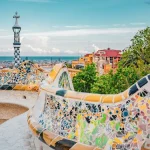
📷 Featured image by Boris Hadjur on Unsplash.