On this page
- The Old Town Tapas Belt: Where to Start in El Centro and La Merced
- El Palo and Pedregalejo: Beachside Tapas Away From the Crowds
- Soho and the Port Area: Where Málaga’s Creative Scene Eats
- What to Order: The Tapas Málaga Does Better Than Anywhere
- Free Tapas Bars: Where a Drink Still Gets You a Bite
- 2026 Budget Reality: What Tapas Actually Costs in Málaga
- Practical Timing and Local Habits: When and How Málaga Actually Eats
- Frequently Asked Questions
Málaga‘s tapas scene has changed faster than most visitors expect. Since 2024, a wave of new openings in the Soho district and along the port has shifted the city’s eating map — and the old tourist-trap bars around the cathedral are easier to spot and avoid than ever. Whether you have one evening or a full week, knowing which streets to walk and which neighbourhoods to save for lunch makes a real difference to what ends up on your plate.
The Old Town Tapas Belt: Where to Start in El Centro and La Merced
The oldest and densest concentration of tapas bars in Málaga runs through El Centro, radiating out from Plaza de la Merced and dropping south toward the cathedral. This is not a single street but a loose web — and it rewards wandering more than planning.
Calle Granada is the spine of this area. It connects Plaza de la Merced to the lower old town and is lined with bars that have been feeding malagueños for decades. Casa Lola on this street is one of the most consistent — small, loud, always packed, and pouring good local wine. A few doors down, El Tapeo de Cervantes has a slightly more composed menu with strong fish options.
On Calle Compañía and the narrow lanes feeding off it, you find the bars that locals genuinely prefer: lower ceilings, no menus in four languages, and portions that still feel generous. Bodega El Pimpi is the city’s most famous bar — yes, it caters to tourists, but the back rooms around the giant wine barrels signed by celebrities are genuinely atmospheric. Go for a glass of sweet Málaga wine rather than full tapas, and move on.
Plaza de la Merced itself is surrounded by cafés better suited to coffee than serious eating. Use it as a meeting point, not a dining destination. The real tapas are a short walk in any direction off the square.
El Palo and Pedregalejo: Beachside Tapas Away From the Crowds
Take the urban bus or a short taxi east from the centre and you reach two beachside barrios that most visitors never bother with. That is exactly why they are worth the trip.

Pedregalejo is a former fishing village that kept its character even as the city grew around it. The paseo along the beach is lined with chiringuitos — the open-air beach restaurants that are one of Málaga’s defining eating experiences. The smell of wood smoke from grills, fresh espetos (sardines on skewers) charring over open fires right on the sand — this is something you cannot replicate in the city centre.
Espetos are the single most important thing to eat in Pedregalejo. The sardines are threaded onto thick cane sticks and angled over almond-wood embers in old fishing boats repurposed as grills. The flesh pulls apart in the softest way, lightly salted by the sea air. El Cabra and El Tintero are both well-regarded here, with El Tintero running a particularly theatrical service where waiters walk the room shouting out dishes — you flag them down for what you want.
El Palo, just east of Pedregalejo, is even less polished and better for it. The bars here serve working-neighbourhood prices. A small plate of calamar frito, a glass of local draught — you are unlikely to spend more than €5 per person per round.
Soho and the Port Area: Where Málaga’s Creative Scene Eats
The district south of Alameda Principal, officially known as Soho, has been absorbing new restaurant and bar openings since around 2022. By 2026, it has settled into a genuine neighbourhood identity rather than just a gentrification project in progress.
Calle Tomás Heredia and the blocks around the Centro de Arte Contemporáneo (CAC) are the most interesting stretch. Bars here tend toward smaller menus, natural wine lists, and slightly more inventive tapas — local fish treated with Japanese influences, payoyo cheese boards, seasonal vegetable dishes that reflect the Málaga countryside.
The port area — Muelle Uno and the marina — is hit and miss. The views over the Mediterranean are undeniably good and the restaurants are sleek, but prices run higher and the tapas culture is thinner here. It is better for a sunset drink than a serious tapas crawl. The exception is the local end of the market building near the port entrance, where a handful of stalls serve proper market food at honest prices.
What to Order: The Tapas Málaga Does Better Than Anywhere
Málaga’s geographic position — coast, mountain, and farmland all within an hour — gives it a raw ingredient base that most Spanish cities can only envy. These are the dishes that make full use of it.

- Espetos de sardinas — the city’s signature dish, only properly done on the beach with a wood fire
- Boquerones en vinagre — fresh anchovies cured in vinegar, white and clean-tasting, served cold
- Gambas al ajillo — prawns in hot olive oil with garlic and chilli, served sizzling in a clay dish
- Porra antequerana — Málaga’s thicker, richer cousin to gazpacho, often topped with jamón and hard-boiled egg
- Berenjenas con miel de caña — fried aubergine strips drizzled with locally produced sugarcane honey, sweet and crisp
- Cazón en adobo — marinated and fried dogfish, tender inside with a seasoned crust
- Patatas a lo pobre — slow-fried potatoes with peppers and onion, the side dish that upstages most main courses
Wash everything down with a glass of vino de Málaga — the local sweet wine made from Pedro Ximénez or Moscatel grapes — or ask for tinto de verano (red wine and lemon soda) if you are eating in the heat of the day.
Free Tapas Bars: Where a Drink Still Gets You a Bite
The tradition of a free tapa with every drink has mostly disappeared from Spain’s tourist-heavy cities. Málaga is more complicated — it depends entirely on which neighbourhood you are in and which bar you choose.
In the centre, most bars charge separately for food. But move into residential barrios and the habit survives. La Victoria and Cruz de Humilladero are two neighbourhoods northwest and southwest of the centre respectively where local bars still bring out something small — a slice of bread with tomato, a few olives, a small montadito — with each round.
The best strategy is to sit at the bar rather than a table (table service usually means paying separately for everything), and to order like a local: a caña (small beer) or a glass of house wine rather than cocktails or premium brands. Bars that see you engaging with their rhythm rather than treating the place as a restaurant with free food are far more likely to keep the tradition going with you.
2026 Budget Reality: What Tapas Actually Costs in Málaga
Málaga remains one of the more affordable cities in Andalucía for eating out, but prices have moved noticeably since 2023. Here is a realistic breakdown for 2026:

- Budget: €8–€14 per person for a full tapas meal (two to three dishes, one drink) in local neighbourhood bars in El Palo, La Victoria, or Cruz de Humilladero
- Mid-range: €18–€28 per person in established old town bars like those on Calle Granada, including two to three tapas, a shared racion, and a couple of drinks
- Comfortable: €35–€55 per person in the newer Soho spots or upmarket restaurants in the port area with wine
Espetos at a beachside chiringuito in Pedregalejo typically cost €6–€9 per skewer of six sardines. A caña (small draught beer) runs €1.80–€2.50 depending on location. House wine by the glass is usually €2–€3.50 in neighbourhood bars, rising to €5–€8 in design-forward spots.
Breakfast and coffee remain a genuine bargain — a coffee and tostada con tomate rarely exceeds €3.50 anywhere in the city.
Practical Timing and Local Habits: When and How Málaga Actually Eats
Eating tapas in Málaga means adapting to a schedule that bears no resemblance to eating habits in northern Europe or North America. The kitchen times are not suggestions — they are the structure around which the whole day is built.
Lunch service runs from 13:30 to 16:00. This is the main meal of the day for most malagueños, and the best tapas bars fill up quickly from 14:00. If you arrive at 15:30 expecting a full menu, some kitchens will be winding down.
The evening tapas window opens around 20:30 to 21:00 and runs until midnight or later on weekends. The city genuinely comes alive at this hour — the air cools, the streets fill, and bars that felt quiet at 19:00 are standing-room by 21:30.
Sundays follow the same lunch rhythm but with larger groups (families, multigenerational tables) and often longer, slower meals. Many neighbourhood bars are closed on Sunday evenings and Monday all day — always worth checking before making a specific trip.
Frequently Asked Questions
What is the most traditional tapas dish in Málaga?
Espetos de sardinas — sardines grilled on cane skewers over wood fires on the beach — are the definitive Málaga dish. They are almost exclusively done well at beachside chiringuitos in Pedregalejo and El Palo, not in the city centre. Boquerones en vinagre and berenjenas con miel are close runners-up among locals.
Are tapas in Málaga free with drinks?
In the historic centre and tourist-facing bars, tapas are almost always charged separately in 2026. The free tapa tradition survives in residential neighbourhoods like La Victoria and Cruz de Humilladero. Sitting at the bar and ordering local drinks gives you the best chance of experiencing it.

Which area of Málaga has the best tapas bars?
Calle Granada and the surrounding streets in El Centro offer the most concentrated selection. Pedregalejo is the best destination for seafood and espetos. Soho has the most interesting newer bars. Each area serves a different purpose — ideally you would combine two or three across a trip.
How much should I budget for tapas in Málaga in 2026?
A realistic budget is €15–€25 per person for a satisfying tapas meal with drinks in a mid-range old town bar. In neighbourhood bars away from the tourist centre, you can eat and drink well for €10–€15. Beachside chiringuitos in Pedregalejo sit in the mid-range bracket, with espeto skewers at €6–€9 each.
When is the best time to go for tapas in Málaga?
For lunch, aim to arrive by 13:30 to get a seat. For evening tapas, start around 21:00 when locals begin their night — any earlier and many bars are still quiet. Weekends are busier but also more atmospheric. Avoid mid-afternoon (16:00–20:00) when many kitchens close between services.
Explore more
Ronda Day Trip from Málaga: Ultimate Guide to Andalusia’s Cliffside Gem
First-Time Visitor’s Guide: 20 Essential Málaga Travel Tips You Need to Know
Best Neighborhoods in Málaga, Spain — Area-by-Area Guide
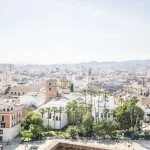
📷 Featured image by Yanhao Fang on Unsplash.