On this page
- Northern Spain’s Dramatic Coastlines
- Central Spain’s Hidden Medieval Towns
- Eastern Valencia’s Orange Groves and Coastal Villages
- Planning Your Spanish Road Trip in 2026
- Where to Sleep Along the Routes
- 2026 Budget Breakdown for Spanish Road Trips
- Day Trip or Extended Adventure?
- Frequently Asked Questions
💰 Click here to see Spain Budget Breakdown
💰 Prices updated: October, 2026. Budget figures are estimates — always verify before travel.
Exchange Rate: $1 USD = €0.88
Daily Budget (per person)
Shoestring: €60.00 – €90.00 ($68.18 – $102.27)
Mid-range: €120.00 – €180.00 ($136.36 – $204.55)
Comfortable: €220.00 – €470.00 ($250.00 – $534.09)
Accommodation (per night)
Hostel/guesthouse: €15.00 – €50.00 ($17.05 – $56.82)
Mid-range hotel: €70.00 – €130.00 ($79.55 – $147.73)
Food (per meal)
Budget meal: €7.00 ($7.95)
Mid-range meal: €25.00 ($28.41)
Upscale meal: €80.00 ($90.91)
Transport
Single metro/bus trip: €3.00 ($3.41)
Monthly transport pass: €24.00 ($27.27)
Spain‘s most spectacular drives lie far from the tourist crowds of Barcelona and Madrid. In 2026, with improved highway infrastructure and new digital toll systems making remote regions more accessible than ever, adventurous travelers are discovering Spain’s authentic heart through epic road trips that reveal medieval villages, dramatic coastlines, and landscapes that haven’t changed in centuries.
Northern Spain’s Dramatic Coastlines
The drive along Spain’s northern coast from Oviedo to San Sebastián covers 400 kilometres of Europe’s most spectacular coastal scenery. This route threads between the Cantabrian Sea and the Picos de Europa mountains, revealing fishing villages where the morning catch still arrives by traditional boat.
Start in Oviedo, Asturias’ elegant capital, where pre-Romanesque churches dot hillsides covered in apple orchards. The scent of fermenting cider fills autumn air as you wind through valleys towards Cangas de Onís. Here, the Roman bridge over the Sella River frames the Picos de Europa’s limestone peaks perfectly.
Crossing into Cantabria, the coastal road hugs cliffs above beaches like Playa de Oyambre, where Atlantic waves crash against golden sand. Santillana del Mar, despite its name, sits inland but rewards the detour with cobblestone streets and honey-coloured sandstone buildings that transport you to medieval Spain.
The Basque portion begins at Castro Urdiales, where Gothic churches overlook harbours filled with fishing boats painted in traditional red and white. As you approach San Sebastián, stop in Getaria to taste txakoli wine while watching waves break over the town’s dramatic rocky coastline.
Essential Stops on the Northern Route
Covadonga’s basilica and lakes represent the birthplace of Christian Spain, where Pelayo began the Reconquest in 722 AD. The drive up through beech forests to the glacial lakes takes 30 minutes of hairpin turns, but the views across Asturias justify every kilometre.
Comillas showcases Catalan modernisme in an unexpected setting, with Gaudí’s El Capricho villa overlooking the sea. The town’s university, founded by the Marquis of Comillas, created this architectural wonderland where you can hear seabirds calling from elaborately tiled terraces.
Hondarribia, just before San Sebastián, preserves its medieval walls and offers ferry connections to France. The old quarter’s narrow streets echo with the clip-clop of horses pulling tourist carriages, while waterfront restaurants serve grilled fish caught that morning.
Central Spain’s Hidden Medieval Towns
Castilla y León holds Spain’s greatest concentration of medieval architecture, connected by roads that follow ancient pilgrimage and trade routes. This 500-kilometre circuit from Salamanca through Zamora, León, and Astorga reveals cathedrals, castles, and villages where time stopped centuries ago.
Salamanca’s golden sandstone university buildings provide the perfect starting point, but head immediately to Zamora, Spain’s most overlooked provincial capital. Its cathedral dome, covered in Byzantine-influenced scales, watches over the Duero River where Roman bridges still carry traffic after 2,000 years.
The road north to León crosses landscapes that change dramatically with elevation. Oak forests give way to wheat fields, then to the rolling hills where Spain’s finest red wines mature in underground cellars. León Cathedral’s 13th-century stained glass windows create pools of coloured light that shift across stone floors as the sun moves overhead.
West from León, Astorga marks where the Camino de Santiago meets the Roman Silver Route. Gaudí’s episcopal palace looks like a fairy-tale castle dropped into this practical market town, while traditional restaurants serve cocido maragato, a hearty stew that fueled pilgrims for centuries.
Detours Worth Taking
Ciudad Rodrigo, near the Portuguese border, surrounds itself with intact medieval walls. Walking the complete circuit takes 45 minutes and provides views across dehesa landscapes where black bulls graze under oak trees.
Benavente’s castle ruins overlook the confluence of four rivers, while its Tuesday market has operated continuously since the 12th century. Local pottery and leather goods still reflect techniques passed down through generations.
Toro produces exceptional red wines from vineyards planted by Romans. The drive through wine country in October reveals vines turning gold against red earth, while the aroma of fermenting grapes fills the air around traditional bodegas.
Eastern Valencia’s Orange Groves and Coastal Villages
The Valencia region beyond the capital city offers Mediterranean coastal drives through fishing villages and inland routes through orange and almond groves. This 350-kilometre circuit combines mountain villages with seaside towns that maintain their traditional character despite proximity to major beach resorts.
Start in Xàtiva, where steep streets climb to castle ruins offering panoramic views across the orange-growing plains. The collegiate church houses paintings by local boy Ribera, while traditional pastry shops sell local specialities that pair perfectly with coffee in tree-shaded plazas.
The coastal road south passes through Gandia, where the Borgia family’s ducal palace recalls Renaissance intrigue. Beyond the modern beach development, traditional fishermen still mend nets on beaches where their grandfathers launched boats before dawn.
Inland from Denia, mountain roads wind through villages like Guadalest, perched impossibly on rocky outcrops. The sound of church bells carries across valleys filled with almond trees that bloom pink and white in February, creating landscapes worthy of impressionist paintings.
Culinary Highlights of Eastern Routes
Sagunto combines Roman theatre ruins with restaurants serving traditional Valencian rice dishes using local bomba rice. The town’s hilltop castle provides sunset views across orange groves while the aroma of paella cooking over wood fires drifts from nearby restaurants.
Cullera’s fishing port supplies restaurants with ingredients for all i pebre, an eel and pepper stew that showcases the region’s freshwater and maritime traditions. Local fishermen return each afternoon with catches destined for evening meals in family-run restaurants.
Morella, high in the Maestrazgo mountains, preserves medieval streets within 13th-century walls. Local restaurants serve truffle dishes and game from surrounding forests, while traditional bakeries produce pastries using recipes unchanged since the Middle Ages.
Planning Your Spanish Road Trip in 2026
Spain’s road infrastructure improvements in recent years make self-drive tours more practical than ever. The AP-8 autopista connecting northern coastal cities now features improved rest areas every 30 kilometres, while central Spain’s secondary roads have been resurfaced to handle increased tourism traffic.
Rental car availability has stabilised since the post-pandemic shortages, but booking 4-6 weeks ahead ensures better vehicle selection and pricing. International driving permits remain mandatory for non-EU visitors, and Spain’s new digital toll system automatically charges rental car companies, eliminating cash payments at toll booths.
Route Timing and Seasons
Northern coastal routes shine from May through September when Atlantic weather stabilises and rural restaurants reopen after winter closures. July and August bring crowds to coastal towns, but inland villages remain peaceful even during peak season.
Central Spain’s medieval towns welcome visitors year-round, though winter temperatures can drop below freezing. Spring and autumn provide perfect weather for walking ancient streets and exploring castle ruins without summer heat.
Eastern Valencia routes work best from March through November. Almond blossoms in February create spectacular scenery but weather remains unpredictable. Orange harvest season in December and January offers unique experiences but some mountain passes may close temporarily.
Navigation and Road Conditions
Spanish road signs follow European standards, but rural areas may only show signs in regional languages. Learning basic directional terms in Galician, Basque, or Catalan prevents confusion in autonomous regions.
Mountain passes in the Picos de Europa and Maestrazgo can close during winter storms. Check regional traffic websites before departure and carry snow chains between November and March when traveling above 1,000 metres elevation.
Parking in medieval town centres often requires walking from designated areas outside historic walls. Many towns now offer park-and-ride services during peak tourist periods, with shuttle buses connecting car parks to central areas.
Where to Sleep Along the Routes
Rural accommodation in Spain ranges from restored monasteries to working farms offering authentic experiences far from tourist crowds. Advance booking becomes essential during local festivals and harvest seasons when entire towns may be fully booked.
Northern Coast Accommodation
Asturias specialises in casas rurales, traditional stone houses converted into small hotels. Many feature original architectural details like wooden balconies and slate roofs, while providing modern amenities including WiFi and private bathrooms.
Cantabria offers palace hotels in restored nobleman’s homes, particularly around Santillana del Mar. These properties combine historical atmosphere with luxury amenities, though rooms may vary significantly in size and views.
Basque Country accommodation emphasises local gastronomy, with many hotels featuring restaurants run by renowned chefs. Farm stays near San Sebastián offer cooking classes using ingredients from on-site gardens and nearby fishing ports.
Central Spain Lodging Options
Castilla y León’s paradores occupy former monasteries and castles, providing unique accommodation within historic walls. Modern amenities meet medieval architecture in properties where you might sleep in a former monk’s cell or nobleman’s chamber.
Small cities like Zamora and Astorga offer boutique hotels in restored buildings near cathedral squares. These properties typically feature traditional decor with contemporary comforts, plus restaurant recommendations from knowledgeable local staff.
Rural hotels near wine regions often include vineyard tours and tastings in their packages. Properties in Toro and nearby villages provide direct access to family-run bodegas not typically open to casual visitors.
Eastern Valencia Region Stays
Mountain villages like Morella offer accommodation in restored medieval buildings within town walls. These small hotels provide authentic atmosphere but may lack amenities like air conditioning or elevators in historical structures.
Coastal towns feature beachfront hotels ranging from simple family-run properties to luxury resorts. Booking directly with properties often yields better rates and room assignments than international booking platforms.
Agritourism operations throughout Valencia combine accommodation with activities like orange picking, traditional cooking classes, and hiking in private nature reserves.
2026 Budget Breakdown for Spanish Road Trips
Spanish road trip costs vary significantly by season, route, and accommodation choices. These 2026 price ranges reflect current market conditions and include all major expense categories for comprehensive trip planning.
Transportation Costs
Budget tier: Compact rental car €25-35 per day, fuel €1.45-1.55 per litre, tolls €15-25 daily on major highways. Total: €65-85 daily for vehicle costs.
Mid-range tier: Mid-size rental car €35-50 per day, comprehensive insurance €12-18 daily, parking €8-15 daily in town centres. Total: €85-120 daily for transportation.
Comfortable tier: Premium rental car €55-80 per day, full insurance coverage €20-25 daily, valet parking and fuel service €20-30 daily. Total: €120-180 daily for hassle-free driving.
Accommodation Pricing
Budget tier: Rural guesthouses €45-65 per night, simple hotels €55-80 per night, hostels in larger towns €25-35 per bed. Average: €50-70 nightly.
Mid-range tier: Boutique hotels €80-120 per night, restored historic properties €100-150 per night, casa rural with meals €90-130 per night. Average: €100-140 nightly.
Comfortable tier: Luxury paradores €150-250 per night, five-star rural hotels €200-350 per night, exclusive wine estate stays €250-400 per night. Average: €200-300 nightly.
Food and Activity Expenses
Budget tier: Menu del día lunch €12-18, simple dinner €20-30, local activities €5-15 each. Daily total: €40-65 per person.
Mid-range tier: Restaurant lunch €25-40, quality dinner €35-55, guided tours €25-45 each. Daily total: €75-120 per person.
Comfortable tier: Fine dining lunch €45-70, gourmet dinner €60-100, private tours and tastings €75-150 each. Daily total: €150-250 per person.
Day Trip or Extended Adventure?
These regional routes offer flexibility for travelers based in major Spanish cities or those planning extended touring holidays. Route segments can be adapted for different time frames and travel styles.
Day Trip Options from Major Cities
From Madrid, Salamanca makes an excellent day trip via the A-6 highway, taking 2.5 hours each way. The drive through Castilian wheat fields provides scenic variety, while Salamanca’s compact historic centre allows thorough exploration in 4-5 hours.
Valencia city serves as base for eastern mountain villages, with Xàtiva reachable in 45 minutes via the A-7. Morella requires a full day but provides unforgettable mountain scenery and medieval atmosphere worth the 2-hour drive each way.
Bilbao offers access to Cantabrian coastal towns, with Santillana del Mar just 90 minutes away via the A-8. This allows exploration of the coast while maintaining urban accommodation and restaurant options.
Multi-Day Itinerary Suggestions
Northern coastal routes require minimum 5-7 days for proper exploration, allowing overnight stays in 2-3 different locations. This pacing provides time for hiking in national parks, visiting fishing villages, and enjoying regional gastronomy without constant driving.
Central Spain’s medieval circuit works well as a 4-5 day loop from Salamanca, with overnight stops in León and Astorga. This schedule allows cathedral visits, wine tastings, and walks through historic quarters at a relaxed pace.
Eastern Valencia routes can be completed in 3-4 days, combining coastal and mountain elements. Overnight stays in contrasting locations like seaside Denia and mountain Morella showcase the region’s diversity within a compact time frame.
Seasonal Considerations for Route Planning
Spring road trips (April-May) offer excellent weather but may encounter occasional closure of high mountain passes. This season provides perfect conditions for walking medieval towns and enjoying outdoor dining.
Summer touring (June-August) guarantees good weather but requires early morning starts to avoid afternoon heat in central Spain. Coastal routes remain comfortable throughout the day with sea breezes.
Autumn adventures (September-October) provide harvest season experiences, wine tasting opportunities, and comfortable temperatures. This period offers excellent road conditions and full accommodation availability after summer crowds depart.
Frequently Asked Questions
Do I need an international driving permit for Spanish road trips?
Yes, non-EU visitors must carry an international driving permit along with their home country licence. EU citizens can drive with their national licence, but carrying an IDP helps with rental car procedures.
How do Spain’s digital toll roads work in 2026?
Rental cars are automatically charged through licence plate recognition systems. Tolls appear on your final rental bill, typically processed 2-3 days after returning the vehicle. No cash payments or stopping required.
What’s the best time of year for Spanish road trips?
May through September offers the most reliable weather across all regions. Northern coastal routes work best June-September, while central Spain is comfortable April-June and September-October. Winter driving requires checking mountain pass conditions.
Can I find English-speaking assistance in rural Spanish areas?
Larger hotels and tourist offices usually have English-speaking staff, but rural areas rely mainly on Spanish. Download translation apps and learn basic Spanish phrases for directions, food ordering, and emergency situations.
Are Spain’s rural roads suitable for all vehicle types?
Most routes work fine with standard rental cars, but some mountain villages have narrow streets unsuitable for large vehicles. Check accommodation parking arrangements beforehand, and consider compact cars for maximum flexibility in medieval town centres.
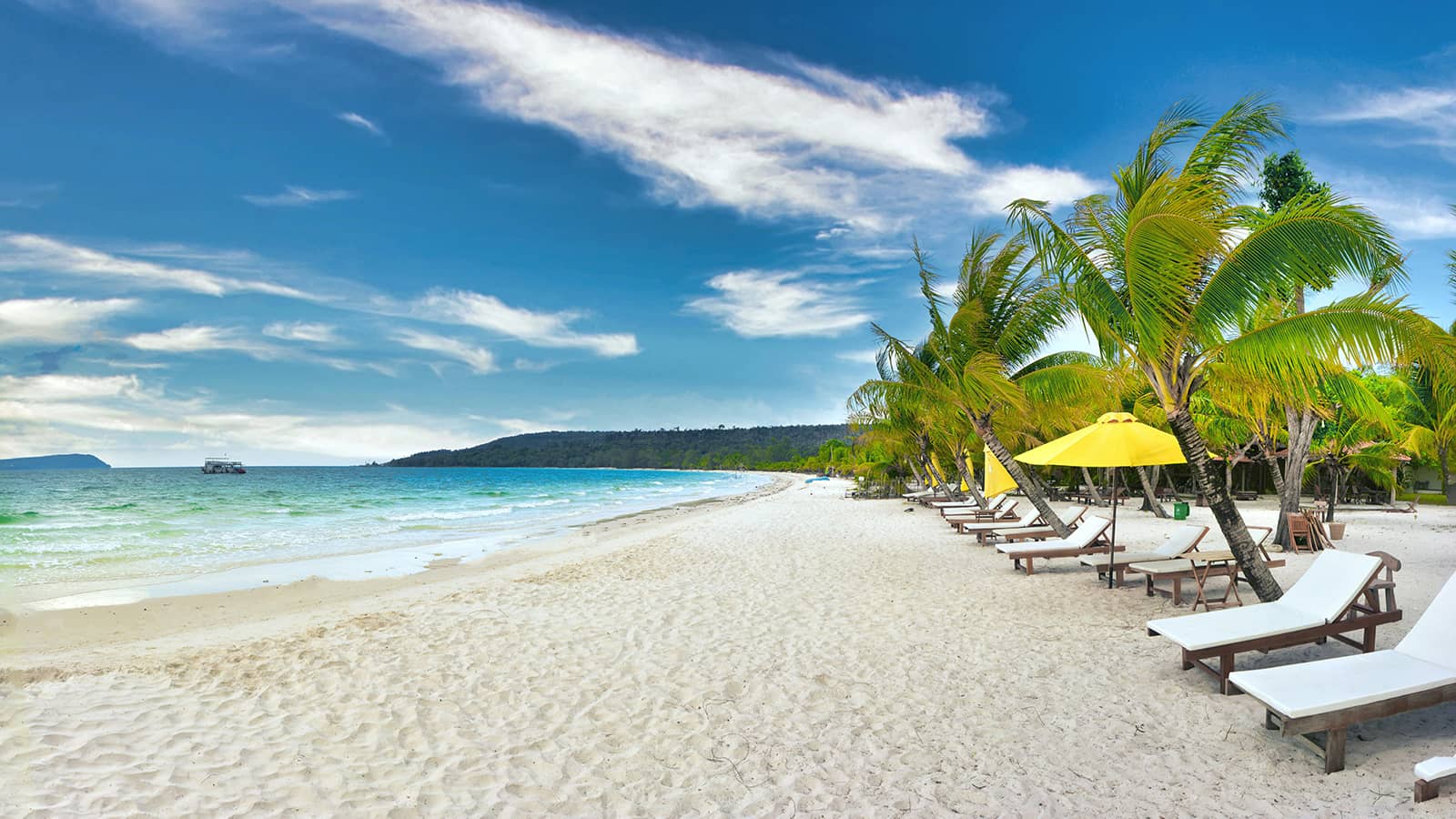
📷 Featured image by Andrew Bezuhlyi on Unsplash.