💰 Click here to see Spain Budget Breakdown
💰 Prices updated: October, 2026. Budget figures are estimates — always verify before travel.
Exchange Rate: $1 USD = €0.88
Daily Budget (per person)
Shoestring: €60.00 – €90.00 ($68.18 – $102.27)
Mid-range: €120.00 – €180.00 ($136.36 – $204.55)
Comfortable: €220.00 – €470.00 ($250.00 – $534.09)
Accommodation (per night)
Hostel/guesthouse: €15.00 – €50.00 ($17.05 – $56.82)
Mid-range hotel: €70.00 – €130.00 ($79.55 – $147.73)
Food (per meal)
Budget meal: €7.00 ($7.95)
Mid-range meal: €25.00 ($28.41)
Upscale meal: €80.00 ($90.91)
Transport
Single metro/bus trip: €3.00 ($3.41)
Monthly transport pass: €24.00 ($27.27)
Alicante strikes that perfect balance between serious Spanish history and serious beach time, but many travelers rush through without realizing this coastal city deserves more than a quick stop between Madrid and the Costa Blanca resorts. In 2026, with new AVE connections making the journey from Madrid just 2 hours 20 minutes, Alicante has shed its reputation as merely a gateway to discover its own compelling mix of Moorish castles, pristine urban beaches, and some of the most authentic tapas culture on Spain’s eastern coast.
Alicante’s Dramatic Castle Views and Historic Quarter
The Castillo de Santa Bárbara dominates Alicante’s skyline from its perch 166 meters above the Mediterranean, and the views from its ramparts will make you understand why this spot has been fortified since the 9th century. Take the elevator that tunnels through Mount Benacantil from Postiguet Beach—it’s a Hidden entrance that feels like something from a spy movie. The Moorish origins are most visible in the lower courtyard, while the 16th-century additions reflect Spain’s imperial ambitions.
The sound of fountains echoing off stone walls creates an almost meditative atmosphere as you explore the different levels, each offering new perspectives over the palm-lined port and the geometric patterns of Alicante’s old town spreading below. The castle stays open until midnight during summer months, making sunset visits particularly memorable.
Down in the Barrio Santa Cruz, the old quarter wraps around the castle’s base in a maze of narrow streets lined with houses painted in ochre, terracotta, and brilliant white. This isn’t a museum neighborhood—locals still hang laundry from wrought-iron balconies and chat from doorways. The Basilica de Santa María, built over a former mosque, showcases the Gothic-Baroque architectural blend that defines much of eastern Spain.
The Explanada de España serves as Alicante’s elegant living room, a palm-lined promenade paved with 6.5 million marble tiles arranged in wave patterns that mirror the nearby sea. Street musicians perform everything from classical guitar to contemporary jazz, while the outdoor cafés provide perfect people-watching spots. The nearby Mercado Central, housed in a striking 1920s building, offers insight into local life beyond the tourist zones.
Beach Life Along Costa Blanca’s Urban Coastline
Alicante’s beaches prove that you don’t need to escape to remote coves for excellent Mediterranean swimming. Playa del Postiguet sits right in the city center, a surprising stretch of golden sand backed by palm trees and the castle’s dramatic silhouette. The water quality consistently earns Blue Flag status, and the urban setting means you can grab a cortado at a beachfront café between swimming sessions.
For a more local experience, head north to Playa de San Juan, where Alicante residents actually spend their weekends. This 7-kilometer stretch feels more spacious and offers better waves for bodysurfing. The chiringuitos here serve proper paella cooked over wood fires, not the tourist versions found closer to the port. The tram connects San Juan directly to the city center, making beach hopping effortless.
Water sports enthusiasts will find sailing schools and windsurfing rental shops along both beaches. The consistent easterly winds make Alicante ideal for beginners, while more experienced sailors can charter boats to explore the dramatic coastline toward Benidorm or south toward Torrevieja. Stand-up paddleboarding has exploded in popularity since 2024, with several companies now offering sunset tours that include stops at hidden coves only accessible from the water.
The coastal path connecting both main beaches has been extended in 2026, creating a continuous waterfront walk that stretches nearly 10 kilometers. Early morning joggers share the route with dog walkers and elderly couples taking their constitutional, creating a slice-of-life atmosphere that tourism brochures rarely capture.
Alicante’s Food Scene: From Market Halls to Waterfront Terraces
Alicante’s culinary identity centers on rice—not just paella, but dozens of rice variations that reflect the city’s position between Valencia’s orchard lands and Murcia’s market gardens. Arroz con costra, baked with an egg crust that cracks dramatically when served, represents local cooking at its most theatrical. The best versions come from family-run restaurants in the Santa Cruz neighborhood, where recipes pass between generations without written documentation.
The smell of garlic and saffron wafts from kitchen windows throughout the old quarter, where small tabernas still prepare arroz a banda—rice cooked in fish stock with the seafood served separately. At Taberna del Gourmet, tucked behind the cathedral, you can watch the arroz being prepared in traditional two-handled paelleras while sipping local Monastrell wine.
Mercado Central showcases the ingredients that make Alicante’s cuisine distinctive: sweet red prawns from Santa Pola, muscatel grapes from the inland valleys, and the famous Alicante turrón (nougat) that appears in both hard and soft varieties. The market’s tapas bars serve these ingredients simply—grilled prawns with just lemon and sea salt, local cheese with quince preserves, or jamón ibérico sliced paper-thin.
The port area has gentrified significantly since 2024, with new restaurants opening in converted warehouses along the marina. These spots excel at modern interpretations of traditional dishes: deconstructed paella served in individual portions, turrón transformed into ice cream, or local fish prepared with techniques borrowed from Basque cuisine. Prices run higher than in the old quarter, but the harbor views justify the premium.
For authentic late-night tapas culture, head to Calle Castaños, where bars stay open until 2am serving montaditos (small sandwiches) and local beer. The ritual involves hopping between several establishments, ordering one or two items at each stop rather than settling in for a full meal.
Getting to and Around Alicante in 2026
The AVE high-speed rail connection from Madrid, completed in late 2025, has transformed Alicante’s accessibility. The journey now takes 2 hours 20 minutes compared to the previous 3 hours 30 minutes on conventional trains. Departures run every two hours during peak season, with tickets starting at €45 for Turista class when booked in advance. The new Alicante-Terminal station integrates seamlessly with the city’s tram network.
From Barcelona, the connection requires a change in Valencia, with total journey time around 4 hours 30 minutes. The coastal route via Valencia offers spectacular Mediterranean views, particularly the stretch between Castellón and Valencia where the train runs directly alongside the sea. Budget around €65-85 for this journey depending on booking timing.
Alicante’s airport serves as a major gateway to the Costa Blanca, with expanded routes in 2026 including new direct flights from London Gatwick, Dublin, and several German cities. The C-6 bus connects the airport to the city center in 30 minutes for €2.85, while taxis cost around €15-20 depending on traffic and destination.
Within the city, the TRAM Metropolitano provides efficient connections between the center, beaches, and surrounding towns. A day pass costs €4.20 and covers unlimited rides on all tram lines, including the popular route to San Juan beach. The system has been expanded in 2026 to include new stops at the Universidad and improved frequency during summer months.
Walking remains the best way to explore central Alicante, with most attractions within a compact area between the castle, port, and main shopping streets. The city has invested heavily in pedestrian zones since 2024, making the old quarter largely car-free during daylight hours. Bike-sharing stations have multiplied, though the hilly terrain around the castle makes electric bikes the preferred option.
Planning Your Alicante Visit
Many travelers treat Alicante as a day trip from Valencia (1 hour 15 minutes by AVE) or a quick stop before heading to resort towns like Benidorm or Calpe. While possible, this approach barely scratches the surface of what the city offers. A single day allows time for the castle, a stroll through the old quarter, and lunch at the port, but you’ll miss the evening tapas ritual and the more relaxed beach culture.
Two days and one night represents the sweet spot for most visitors. This allows morning exploration of the castle and historic areas, an afternoon at the beach, dinner at a traditional rice restaurant, and next-day visits to attractions you missed. The evening atmosphere in the old quarter transforms completely after dark, with locals emerging for their traditional paseo and late-night socializing.
Travelers with three or more days can explore beyond the city limits: the dramatic Guadalest valley with its impossible mountain-top village, the salt lakes of Santa Pola where flamingos gather in winter, or the wine region around Monóvar where local Monastrell grapes produce increasingly respected red wines. These excursions provide context for understanding Alicante’s role as the commercial and cultural center of this diverse region.
Summer visitors should consider that Alicante’s beach season extends well into October, with water temperatures remaining pleasant through November. Spring visits (April-May) offer mild weather perfect for walking tours and outdoor dining, while avoiding the peak summer crowds that arrive in July and August.
Accommodation in Alicante remains more affordable than equivalent coastal cities like Valencia or Barcelona, though prices have increased approximately 15% since 2024 due to improved transport connections and growing international recognition.
Budget Options (€40-70 per night): Hostels near the train station offer basic but clean accommodation, while budget hotels in the old quarter provide more character. Pensión Les Monges Palace, housed in a converted convent, offers surprising charm for around €55 per night. Private rooms in shared apartments through local rental platforms start around €40.
Mid-Range Hotels (€70-150 per night): Boutique properties in the Santa Cruz neighborhood combine historic buildings with modern amenities. Hotel Les Monges Palace and Sercotel Suites del Mar provide central locations with professional service. Beach-adjacent options like Hotel Maya Alicante offer sea views and easy access to Postiguet Beach for around €120 per night.
Comfortable Luxury (€150-300 per night): The Hotel Villa Venecia occupies a stunning 1920s mansion near the Explanada, while modern options like Eurostars Centrum Alicante provide contemporary luxury in the business district. For ultimate indulgence, Villa Gadea near San Juan beach offers suite-style accommodations with private pools, though you’ll pay premium rates for the privilege.
Food budgets vary dramatically depending on dining choices. Market tapas and local bars serve substantial portions for €15-25 per person including wine. Mid-range restaurants focusing on rice dishes typically cost €30-45 per person for multiple courses. High-end establishments in the port area command €60-80 per person, though portions and quality justify the expense.
Transportation costs remain modest: the daily tram pass at €4.20 covers most tourist needs, while taxis for longer distances rarely exceed €15 within the city. Castle admission costs €3, while many churches and historic sites remain free to visit.
Frequently Asked Questions
What’s the best time to visit Alicante?
May through October offers ideal weather, with water warm enough for swimming from June onwards. April and November provide pleasant temperatures for sightseeing without summer crowds, though some beach services may be limited.
How many days do you need in Alicante?
Two days and one night allows proper exploration of the castle, old quarter, and beaches, plus evening tapas culture. Day trips are possible but rushed, while three days enables exploration of nearby attractions.
Is Alicante expensive compared to other Spanish coastal cities?
Alicante costs significantly less than Barcelona or San Sebastián, and moderately less than Valencia. Accommodation and dining remain affordable, though prices have increased with improved transport links since 2025.
Can you get around Alicante without speaking Spanish?
English is increasingly common in tourist areas, restaurants, and hotels. The tram system uses clear visual signage, and most attraction staff speak basic English. Learning basic Spanish phrases enhances the experience significantly.
What are the best day trips from Alicante?
Guadalest village (1 hour), Elche palm groves (30 minutes), and Santa Pola salt lakes (45 minutes) offer diverse experiences. Valencia makes an excellent full-day excursion by AVE, while Benidorm provides contrasting resort atmosphere just 45 minutes away.
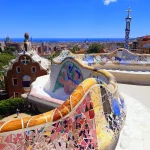
📷 Featured image by Jorge Fernández Salas on Unsplash.