On this page
- Alicante’s Urban Beach Scene: City Meets Mediterranean
- Premium Beach Towns North of Alicante: Jávea to Dénia
- Hidden Coves and Wild Beaches: Costa Blanca’s Secret Spots
- Family-Friendly Beach Destinations: Where Kids Rule the Waves
- Beach Activities Beyond Sunbathing: Water Sports and Adventures
- The Costa Blanca Food Scene: Beachfront Dining in 2026
- Getting Around the Costa Blanca: Transport Between Beach Towns
- Budget Breakdown: Beach Holiday Costs in 2026
- Frequently Asked Questions
💰 Click here to see Spain Budget Breakdown
💰 Prices updated: July, 2026. Budget figures are estimates — always verify before travel.
Exchange Rate: $1 USD = €0.88
Daily Budget (per person)
Shoestring: €50.00 – €140.00 ($56.82 – $159.09)
Mid-range: €90.00 – €240.00 ($102.27 – $272.73)
Comfortable: €220.00 – €450.00 ($250.00 – $511.36)
Accommodation (per night)
Hostel/guesthouse: €15.00 – €50.00 ($17.05 – $56.82)
Mid-range hotel: €70.00 – €130.00 ($79.55 – $147.73)
Food (per meal)
Budget meal: €7.00 ($7.95)
Mid-range meal: €25.00 ($28.41)
Upscale meal: €80.00 ($90.91)
Transport
Single metro/bus trip: €3.00 ($3.41)
Monthly transport pass: €23.00 ($26.14)
The Costa Blanca’s reputation as Europe’s beach playground has only grown stronger in 2026, but finding the perfect stretch of sand among hundreds of options can feel overwhelming. With new sustainable tourism initiatives and improved transport links connecting previously remote coves, this Mediterranean coastline offers more variety than ever before.
Alicante’s Urban Beach Scene: City Meets Mediterranean
Alicante city delivers the rare combination of historic charm and quality urban beaches. Playa de San Juan stretches for seven kilometres north of the city centre, offering wide golden sand and a promenade lined with chiringuitos where the sound of clinking glasses mingles with gentle waves. The beach earned Blue Flag status again in 2026, and the new tram extension makes reaching it from the old town a 15-minute journey.
Closer to the city centre, Playa del Postiguet sits beneath the imposing Castillo de Santa Bárbara. This compact beach gets busy during summer afternoons, but early morning walks here reveal why locals consider it their private slice of Mediterranean paradise. The palm-lined Explanada de España provides the perfect transition between beach time and exploring Alicante’s tapas bars.
The revitalised Santa Pola area, 20 minutes south by bus, offers a more traditional fishing port atmosphere. The lighthouse at Cabo de Santa Pola provides dramatic sunset views, while the salt flats attract flamingos throughout the year, creating an unexpected wildlife spectacle just steps from the beach.
Premium Beach Towns North of Alicante: Jávea to Dénia
Jávea (Xàbia) represents the Costa Blanca at its most sophisticated. The horseshoe-shaped Arenal Beach offers calm waters protected by rocky headlands, while the medieval old town provides cultural substance beyond the beaches. Property prices here reflect its status as one of Spain’s most desirable coastal destinations, but day visitors can enjoy the same pristine waters without the accommodation costs.

The pebbly Cala Blanca and rocky Cala Ambolo challenge conventional beach expectations but reward visitors with crystal-clear water perfect for snorkelling. Local dive shops report increased marine life diversity in 2026, partly due to new marine protection measures implemented along this stretch of coast.
Dénia, the Costa Blanca’s northern anchor, combines a working port atmosphere with family-friendly beaches. Les Marines beach extends for kilometres with fine sand and gentle slopes, while the smaller Las Rotas area offers dramatic limestone cliffs and hidden coves. The town’s Michelin-starred restaurants and UNESCO Creative City of Gastronomy designation make it a foodie destination that happens to have excellent beaches rather than just a beach destination.
Calpe’s iconic Peñón de Ifach rock formation creates one of Spain’s most photographed beach scenes. The beaches on either side of this 332-metre limestone monolith offer different experiences: Playa de la Fossa provides wide sandy expanses, while Cala del Racó delivers intimate cove swimming beneath dramatic cliffs.
Hidden Coves and Wild Beaches: Costa Blanca’s Secret Spots
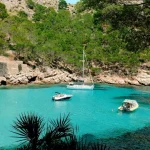
Beyond the developed resort areas, the Costa Blanca conceals dozens of calas (coves) accessible only to those willing to hike or navigate unmarked roads. Cala Granadella, near Jávea, requires a steep 15-minute walk from the small parking area but rewards visitors with arguably the clearest water on the entire Spanish Mediterranean coast.
The stretch between Villajoyosa and Benidorm hides several undeveloped beaches despite being close to major tourist centres. Cala Finestrat offers golden sand and relatively few crowds, while Playa de Torres maintains a wild character with dunes and native vegetation still intact.

Further south, the Tabarca Island day trip from Santa Pola provides a different beach experience entirely. This tiny Mediterranean island, Spain’s smallest inhabited island, features small sandy beaches and exceptional snorkelling around its marine reserve. The 45-minute boat journey passes dolphin watching areas, and the smell of salt air mixed with wild rosemary creates an authentic Mediterranean escape.
Guardamar del Segura’s long beaches benefit from extensive pine forests that provide natural shade and a distinctive resin scent during hot summer days. These beaches see fewer international visitors, maintaining a more authentically Spanish atmosphere where families set up elaborate beach camps with umbrellas, coolers, and portable grills.
Family-Friendly Beach Destinations: Where Kids Rule the Waves
Benidorm’s transformation into a family-focused destination continues in 2026 with improved beach facilities and new children’s areas. Playa de Levante and Playa de Poniente offer different atmospheres within the same resort: Levante buzzes with activity and water sports, while Poniente provides calmer waters and more space for family beach games.
The new accessibility improvements include wheelchair-accessible beach paths, adapted changing facilities, and floating wheelchairs available for loan. Beach safety services expanded in 2026 with multilingual lifeguards and first aid stations every 500 metres along the main beaches.
Cullera, where the Júcar River meets the Mediterranean, offers unique lagoon-style beaches perfect for young children. The shallow, calm waters of Playa del Racó warm quickly in spring, extending the practical beach season for families. The adjacent sand dunes provide natural playgrounds, while the medieval castle overlooking the town adds cultural interest for older children.
Gandia’s wide beaches stretch for kilometres with gentle slopes and consistent lifeguard coverage. The town’s separation between the historic centre and the beach resort area (Playa de Gandia) means families can choose between cultural exploration and pure beach relaxation without compromise.

Beach Activities Beyond Sunbathing: Water Sports and Adventures
The Costa Blanca’s consistent winds and clear waters make it Spain’s premier water sports destination. Sailing schools in Alicante, Dénia, and Calpe offer courses from beginner to advanced levels, while the new marina developments provide improved facilities for yacht charters and sailing excursions.
Kitesurfing and windsurfing conditions vary along the coast: Santa Pola’s exposed position creates reliable afternoon winds, while the bays around Jávea offer protected learning areas. Equipment rental prices have stabilised in 2026 after previous year’s increases, with half-day board and sail packages starting around €45.
Scuba diving operations report excellent visibility and healthy marine ecosystems, particularly around the protected areas near Tabarca Island and Cabo de las Huertas. The underwater museum near Guardamar del Segura, installed in 2025, provides an artificial reef system that’s becoming a major diving attraction.
Stand-up paddleboarding (SUP) has exploded in popularity, with rental stations now common at most major beaches. The calm morning waters of Jávea’s Arenal Beach provide perfect SUP conditions, while more adventurous paddlers explore the sea caves along the Cabo de San Antonio cliffs.
The Costa Blanca Food Scene: Beachfront Dining in 2026
Traditional chiringuitos have evolved far beyond simple beach bars serving fried fish and sangria. Modern Costa Blanca beach restaurants showcase the region’s exceptional seafood with contemporary presentations while maintaining the relaxed, sand-between-your-toes atmosphere that makes beachfront dining special.
Dénia’s famous red prawns appear on menus throughout the coast, but the best examples come from restaurants with direct relationships with local boats. The aroma of wood-fired paellas cooking over orange wood fires still drifts across many beaches during Sunday lunch, when extended Spanish families gather for their traditional beach meals.
Alicante’s El Postiguet beach now features several upscale beach clubs that serve creative interpretations of local classics. Caldero, the region’s signature rice dish cooked with fish stock, gets modern presentations alongside traditional versions. Local rosé wines from the Alicante DO provide perfect pairings for seafood-heavy beach meals.

The growth of sustainable fishing practices means menus increasingly feature lesser-known local fish species. Beach restaurants now commonly offer “fisherman’s choice” options based on the day’s sustainable catch, introducing diners to species like dentex and john dory that don’t typically appear on tourist menus.
Getting Around the Costa Blanca: Transport Between Beach Towns
The regional bus network connecting Costa Blanca beaches improved significantly in 2026 with increased frequency and new electric vehicles. The ALSA coastal route runs from Dénia to Torrevieja, stopping at all major beach towns with departures every 30 minutes during summer months.
Car rental remains the most flexible option for beach hopping, especially for accessing hidden coves and carrying beach equipment. Parking at popular beaches fills early during summer weekends, but most towns expanded their parking facilities or implemented reservation systems to manage demand better.
The narrow-gauge railway (FGV) connecting Alicante to Dénia via Benidorm, Calpe, and other coastal towns provides a scenic alternative to highway travel. The service frequency increased in 2026, and the trains now feature air conditioning and bicycle storage areas. Single journey costs range from €3-8 depending on distance.
Bicycle rental networks expanded along the coast with new electric bike options particularly popular for covering longer distances between beaches. Many coastal towns now feature dedicated bike lanes connecting beaches to town centres, making car-free beach days increasingly practical.
Budget Breakdown: Beach Holiday Costs in 2026

Beach accommodation prices vary dramatically depending on location and season. Budget travellers can find hostel beds in Alicante from €18-25 per night, while mid-range hotels in beach towns like Calpe or Jávea range from €75-120 per night during summer months. Comfortable beachfront hotels command €150-250 per night in prime locations.
Daily beach expenses include parking (€8-15 at popular beaches), sunbed and umbrella rental (€12-18 per set), and meals at chiringuitos (€15-25 for lunch, €25-40 for dinner). Budget-conscious visitors can significantly reduce costs by bringing their own beach equipment and shopping at local supermarkets for picnic supplies.
Water sports pricing has stabilised: kayak rental costs €20-25 for half-day, while SUP boards rent for €15-20 per hour. Sailing lessons start around €45 for group sessions, while private instruction costs €80-100 per hour. Scuba diving excursions range from €35-50 for single dives to €280-350 for Open Water certification courses.
Transportation costs remain reasonable: local bus fares range from €1.50-3.50, while rental cars start around €25-35 per day during peak season. Fuel costs average €1.45 per litre, making short-distance beach hopping relatively affordable by European standards.
Frequently Asked Questions
When is the best time to visit Costa Blanca beaches for fewer crowds?
May, June, and September offer the best balance of warm weather and manageable crowds. Water temperatures remain comfortable through October, while spring months from April onwards provide pleasant beach weather without peak season intensity.
Are Costa Blanca beaches safe for swimming year-round?
Yes, most beaches maintain lifeguard services from June through September, with many extending to May and October. Water quality consistently meets EU standards, and the Mediterranean’s lack of dangerous currents makes swimming relatively safe throughout the year.
Which beaches are best accessible by public transport from Alicante?
Playa de San Juan connects directly by tram from central Alicante. Santa Pola, Guardamar, and Torrevieja are accessible by regular bus services. The FGV railway reaches Benidorm, Calpe, and Dénia with easy beach access from stations.

Do I need to book beach restaurants in advance?
During July and August, weekend reservations are highly recommended at popular chiringuitos and beach clubs. Weekday lunch typically doesn’t require bookings, but sunset dinner tables at premium locations should be reserved, especially in towns like Jávea and Dénia.
What beach equipment can I rent locally versus bringing from home?
Umbrellas, sunbeds, and basic water sports equipment are widely available for rental. Bring personal items like towels, sunscreen, and snorkelling gear, as rental prices for these items can be excessive. Many beaches now offer equipment washing stations for reusable items.
📷 Featured image by Eduardo Kenji Amorim on Unsplash.