On this page
- The Mezquita-Cathedral: Navigating Córdoba’s Architectural Marvel
- Córdoba’s Famous Patios: When and Where to Experience Them
- Jewish Quarter: Tracing Córdoba’s Multicultural Legacy
- Córdoba’s Culinary Scene: Beyond the Tourist Trail
- Transportation: Getting to and Around Córdoba
- Day Trip or Overnight? Planning Your Córdoba Visit
- Budget Guide: Córdoba Costs in 2026
- Frequently Asked Questions
💰 Click here to see Spain Budget Breakdown
💰 Prices updated: August, 2026. Budget figures are estimates — always verify before travel.
Exchange Rate: $1 USD = €0.86
Daily Budget (per person)
Shoestring: €50.00 – €90.00 ($58.14 – $104.65)
Mid-range: €90.00 – €180.00 ($104.65 – $209.30)
Comfortable: €220.00 – €450.00 ($255.81 – $523.26)
Accommodation (per night)
Hostel/guesthouse: €15.00 – €50.00 ($17.44 – $58.14)
Mid-range hotel: €70.00 – €130.00 ($81.40 – $151.16)
Food (per meal)
Budget meal: €7.00 ($8.14)
Mid-range meal: €25.00 ($29.07)
Upscale meal: €80.00 ($93.02)
Transport
Single metro/bus trip: €1.50 ($1.74)
Monthly transport pass: €30.00 ($34.88)
Córdoba in 2026 faces a unique challenge: managing record visitor numbers drawn to its UNESCO World Heritage sites while preserving the intimate atmosphere that makes the city special. New timed entry systems for the Mezquita and stricter patio visiting protocols mean spontaneous exploration requires more planning than before.
The Mezquita-Cathedral: Navigating Córdoba’s Architectural Marvel
The Mezquita-Cathedral stands as one of the world’s most extraordinary architectural fusions. Built as a mosque in 785 CE and converted into a cathedral in 1236, this monument showcases 850 horseshoe arches supported by jasper, onyx, marble, and granite columns salvaged from Roman and Visigothic buildings.
The 2026 visiting system requires advance booking through the official website. Timed slots run every 30 minutes from 8:30 AM to 7:00 PM Monday through Saturday, and 8:30 AM to 11:30 AM on Sundays. The sound of footsteps echoing through the forest of red and white striped arches creates an almost hypnotic rhythm as you walk deeper into the structure.
The mihrab, the prayer niche facing Mecca, displays intricate Byzantine mosaics that shimmer gold and blue in the filtered light. Look for the subtle irregularities in the arch patterns – each section was built during different periods, creating a timeline you can read in stone and marble.
The Christian cathedral insertion sits dramatically in the center, with a Renaissance nave that soars above the Islamic architecture. While some consider this addition controversial, it demonstrates the layered history that defines Córdoba’s identity. The carved wooden choir stalls display scenes from both Christian and secular sources, including subtle references to the city’s Islamic past.
New audio guides in 2026 include augmented reality features accessible through the cathedral’s app. Point your phone at specific architectural elements to see reconstructions of how the space looked during different historical periods.

Córdoba’s Famous Patios: When and Where to Experience Them
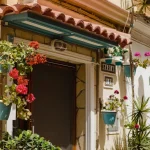
Córdoba’s patios represent a living tradition that UNESCO recognized as an Intangible Cultural Heritage. These interior courtyards, adorned with fountains, tiles, and cascading flowers, offer refuge from Andalusia’s intense summer heat while creating some of Spain’s most photographed spaces.
The annual Patio Festival runs during the first two weeks of May, when private courtyards open to the public and residents compete for prizes based on their floral displays. However, 2026 regulations now limit visitor numbers to preserve the courtyards and maintain neighborhood tranquility. Advance registration through the city’s official portal is mandatory.
Outside festival season, several patios remain accessible year-round. The Palacio de Viana showcases twelve different courtyards, each representing distinct historical periods and gardening styles. The scent of jasmine and orange blossoms fills these spaces, particularly intense during late afternoon visits.
In the San Lorenzo and San Agustín neighborhoods, residents maintain private patios that operate as informal museums. Knock on doors marked with small ceramic tiles indicating “Patio Visitable” – these families welcome visitors for a small donation and often share stories about maintaining their courtyards across generations.
The geometric tile patterns, called azulejos, tell stories through their designs. Blue and white patterns often reference water and sky, while green tiles symbolize nature and growth. Many patios feature wells at their centers, remnants of the practical need for water access in these enclosed spaces.
Jewish Quarter: Tracing Córdoba’s Multicultural Legacy
The Judería, Córdoba’s former Jewish quarter, preserves narrow medieval streets that wind between whitewashed houses adorned with wrought-iron balconies. This neighborhood flourished from the 10th to 15th centuries, producing influential philosophers, physicians, and poets who contributed to medieval Europe’s intellectual development.

The Synagogue, built in 1315, represents one of only three medieval synagogues preserved in Spain. The intricate Hebrew inscriptions and mudéjar plasterwork demonstrate the cultural synthesis that characterized medieval Córdoba. The women’s gallery above the main prayer hall shows how religious and social customs shaped architectural design.
Casa de Sefarad serves as an interactive museum dedicated to Sephardic Jewish culture. The 2026 expansion includes new exhibits on the philosophical exchanges between Jewish, Christian, and Islamic scholars who lived in medieval Córdoba. The museum’s courtyard concerts feature Sephardic music performed on period instruments.
Maimonides statue on Plaza de Tiberiades honors the 12th-century philosopher and physician born in Córdoba. Local tradition suggests touching the statue’s feet brings wisdom, though this practice has worn smooth the bronze surface. The surrounding plaza fills with the aroma of mint tea from nearby teashops that evoke the neighborhood’s multicultural past.
The Zoco Municipal, a craft market near the synagogue, continues the tradition of artisan workshops that characterized the medieval Jewish quarter. Modern ceramicists, silversmiths, and leatherworkers practice techniques passed down through generations, creating contemporary pieces inspired by historical designs.
Córdoba’s Culinary Scene: Beyond the Tourist Trail
Córdoba’s gastronomy reflects its position between Andalusia’s coast and interior, incorporating both seafood influences and mountain traditions. The city’s signature dish, salmorejo, differs from gazpacho through its thicker consistency and garnish of hard-boiled egg and jamón serrano pieces.
Traditional taverns cluster around the Mezquita, but authentic experiences hide in residential neighborhoods. Taberna Salinas, operating since 1879, serves traditional flamenquín – breaded pork rolls filled with serrano ham – alongside locally produced Montilla-Moriles wines that rival those from nearby Jerez.
The central market, Mercado Victoria, underwent renovation in 2025 and now houses both traditional vendors and innovative chefs. Local specialties include berenjenas con miel (eggplant with honey), a dish that traces its origins to Al-Andalus cuisine, and rabo de toro (oxtail stew) that showcases the region’s cattle-raising heritage.

Córdoba’s olive oil culture centers around nearby groves that produce some of Spain’s finest extra virgin varieties. Oil tastings at local cooperatives teach visitors to distinguish between picual, arbequina, and hojiblanca olive varieties. The sharp, peppery taste of fresh picual oil provides an intense sensory experience that embodies the Andalusian landscape.
Modern restaurants like Noor, led by Michelin-starred chef Paco Morales, reinterpret Al-Andalus cuisine using historical recipes and contemporary techniques. These establishments require advance reservations but offer insight into how Córdoba’s multicultural past influences its culinary evolution.
Transportation: Getting to and Around Córdoba
The AVE high-speed train connects Córdoba to major Spanish cities with remarkable efficiency. Madrid to Córdoba takes just 1 hour 45 minutes, while Seville requires only 45 minutes. Barcelona connections, established in 2024, now run three times daily with a journey time of 4 hours 15 minutes.
Córdoba’s train station, designed by renowned architect Rafael Moneo, sits about 1.5 kilometers from the historic center. City buses 3 and 4 connect the station to the Mezquita area every 10 minutes during peak hours. Taxis cost approximately €8-10 for the journey to the city center.
Budget airlines serve Córdoba airport, though most international visitors find better connections through Seville (1 hour by train) or Madrid (1 hour 45 minutes by AVE). The airport primarily handles domestic flights and some European budget routes operated by Ryanair and Vueling.
Córdoba’s compact historic center accommodates walking as the primary transportation method. The distance from the train station to the Mezquita measures just 1.8 kilometers, while the entire UNESCO World Heritage zone spans roughly 1.5 kilometers in each direction.

The city’s bike-sharing system, CordobaBici, expanded in 2026 with electric bikes and new stations throughout residential neighborhoods. Daily passes cost €5 and provide access to 30-minute rides. Dedicated bike lanes connect the historic center with modern districts and the university campus.
Car rental makes sense for exploring the broader region, though driving within Córdoba’s historic center is restricted. The city’s pedestrian zones expand each year, and 2026 regulations now limit vehicle access to residents and authorized services only.
Day Trip or Overnight? Planning Your Córdoba Visit
Córdoba functions excellently as a day trip from Seville (45 minutes by AVE) or Madrid (1 hour 45 minutes), making it accessible for visitors with limited time. A well-planned day allows for Mezquita exploration, patio visits, and lunch in the Jewish Quarter before returning to your base city.
However, staying overnight reveals Córdoba’s more intimate character. Evening strolls through the Jewish Quarter after tour groups depart create a different atmosphere, while early morning visits to the Mezquita offer nearly private access to this architectural wonder.
Two-day itineraries accommodate a more relaxed pace and additional sites. The second day might include the Archaeological Museum, with its extensive Roman mosaics, or Palacio de Viana’s gardens and decorative arts collection. The nearby ruins of Medina Azahara, the 10th-century Caliphal city, warrant a half-day visit.
Three days allow for exploring beyond the city center. The Sierra de Córdoba offers hiking trails and whitewashed villages, while the Montilla-Moriles wine region provides tastings and cellar visits. These activities require a rental car but showcase the broader regional context that shaped Córdoba’s development.
Accommodation booking peaks during the Patio Festival in May and again during September’s mild weather. Winter visits offer excellent value and pleasant temperatures, though some patios display fewer flowers during the dormant season.

Budget Guide: Córdoba Costs in 2026
Budget Range (€40-60 per day):
- Hostel bed: €18-25
- Simple pension room: €35-45
- Mezquita entry: €13
- Menu del día lunch: €12-15
- Tapas and drinks: €15-20
- Local bus day pass: €4.50
Mid-Range (€80-120 per day):
- Boutique hotel room: €65-85
- Mezquita guided tour: €25
- Restaurant dinner: €25-35
- Palacio de Viana entry: €10
- Wine tasting: €15-25
- Taxi rides: €10-15 daily
Comfortable Range (€150-200 per day):
- Luxury parador or historic hotel: €120-160
- Private guide (half day): €150
- Fine dining experience: €80-120
- Cultural activities: €30-50
- Car rental day rate: €35-45
Free activities include walking the Jewish Quarter streets, visiting the Cristo de los Faroles shrine, exploring the Roman Bridge and Calahorra Tower exterior, and browsing the Zoco Municipal craft market. Many churches open for free visits outside mass times, displaying notable baroque altarpieces and mudéjar architectural elements.
The Córdoba Card, introduced in 2025, costs €32 for 48 hours and includes Mezquita entry, city bus transport, and discounts at restaurants and museums. This card pays for itself if you visit three paid attractions and use public transport.
Frequently Asked Questions
How far in advance should I book Mezquita tickets?
Book at least one week ahead during peak season (April-October). Winter visits often allow same-day booking, but advance purchase guarantees your preferred time slot and avoids disappointment during busy periods.
Can I visit patios outside the May festival?
Yes. Palacio de Viana operates year-round, and many private patios in San Lorenzo and San Agustín neighborhoods welcome visitors. Look for ceramic tiles marking “Patio Visitable” and expect to pay €2-5 donation.
Is Córdoba worth visiting if I only have one day?
Absolutely. The compact historic center allows you to see the Mezquita, explore the Jewish Quarter, and enjoy authentic tapas in 6-8 hours. Take the early AVE from Madrid or Seville for maximum time.
What’s the best time of year to visit Córdoba?
March-May and September-November offer ideal weather. May brings the famous Patio Festival but also crowds. Winter (December-February) provides mild temperatures and fewer tourists, though some flowers may be dormant.
Do I need to speak Spanish to enjoy Córdoba?
Not necessarily. Major sites offer multilingual information, and the tourist office provides excellent English materials. However, learning basic phrases enhances interactions with locals, especially in traditional taverns and private patios.