On this page
💰 Click here to see Spain Budget Breakdown
💰 Prices updated: August, 2026. Budget figures are estimates — always verify before travel.
Exchange Rate: $1 USD = €0.86
Daily Budget (per person)
Shoestring: €50.00 – €90.00 ($58.14 – $104.65)
Mid-range: €90.00 – €180.00 ($104.65 – $209.30)
Comfortable: €220.00 – €450.00 ($255.81 – $523.26)
Accommodation (per night)
Hostel/guesthouse: €15.00 – €50.00 ($17.44 – $58.14)
Mid-range hotel: €70.00 – €130.00 ($81.40 – $151.16)
Food (per meal)
Budget meal: €7.00 ($8.14)
Mid-range meal: €25.00 ($29.07)
Upscale meal: €80.00 ($93.02)
Transport
Single metro/bus trip: €1.50 ($1.74)
Monthly transport pass: €30.00 ($34.88)
Granada‘s neighborhoods in 2026 face a delicate balance between preserving centuries-old character and accommodating the 4.5 million annual visitors who flood this Andalusian gem. The recent introduction of tourist apartment restrictions and the city’s new mobility plan have reshaped where travelers stay and how they explore, making neighborhood choice more crucial than ever.
Albaicín – Historic Moorish Quarter
The Albaicín remains Granada’s crown jewel, a UNESCO World Heritage maze of narrow cobblestone streets that wind uphill toward the Alhambra views. This former Moorish quarter pulses with the sound of horse-drawn carriages clattering over ancient stones and the distant call to prayer echoing from the mosque on Calle Elvira.
The neighborhood divides into distinct zones. Lower Albaicín around Plaza Nueva buzzes with tapas bars and tourist-friendly restaurants, while upper Albaicín near San Nicolás maintains a more residential feel despite the crowds at the famous mirador. The scent of jasmine and orange blossoms drifts from hidden carmen gardens tucked behind high walls.
Getting around requires sturdy walking shoes and patience. The microbús C31 and C32 lines connect key points, though walking remains the most authentic way to discover hidden plazas like Plaza de San Miguel Bajo. The neighborhood’s charm lies in getting deliberately lost among the whitewashed houses and discovering viewpoints that tour groups miss.
Accommodation here commands premium prices but delivers unmatched atmosphere. Expect to pay €120-200 per night for boutique hotels in converted historic houses. The trade-off comes in steep streets and limited parking—most hotels offer porter services to carry luggage from drop-off points.
Sacromonte – Cave Dwellings and Flamenco Culture
Sacromonte clings to the hillside above Albaicín, famous for its cave houses carved directly into the rock face. This Roma neighborhood maintains its authentic flamenco traditions while adapting to modern tourism demands. The rhythmic clapping and passionate guitar strumming from zambra shows echo through the valleys most evenings.

The neighborhood splits between the touristic lower area near Camino del Sacromonte and the residential upper reaches where local families still live in traditional caves. The Sacromonte Abbey crowns the hill, offering spectacular city views and housing an important museum of regional history.
Transportation proves challenging—only the C31 bus serves the area, and many cave venues require uphill walks on unpaved paths. Cave hotel experiences range from basic to luxurious, with rates between €80-180 per night. The unique accommodation style includes natural climate control—caves stay cool in summer and warm in winter.
Centro/Gran Vía – Shopping and Modern Life
Granada’s modern center pulses along Gran Vía de Colón and the pedestrianized streets surrounding Cathedral Square. This area represents contemporary Granada life, where locals shop at El Corte Inglés, grab coffee at modern cafés, and navigate the city’s commercial heart.
The neighborhood offers excellent public transport connections, with the LAC tram system’s main stations and multiple bus lines converging here. The recent pedestrianization of Calle Reyes Católicos has transformed shopping into a more pleasant experience, though weekend crowds can still overwhelm narrow sidewalks.
Cathedral Square anchors the area’s tourist attractions, but the real character emerges in the side streets where locals conduct daily business. Hotel options include international chains and business-oriented establishments, typically priced €90-160 per night. The location offers convenience for train station access and airport buses, making it practical for short visits.
Realejo – Jewish Quarter and Local Living

Realejo unfolds below the Alhambra as Granada’s former Jewish quarter, now a residential neighborhood where locals outnumber tourists on most streets. The area maintains authentic Andalusian life while offering proximity to major attractions. Children play football in Campo del Príncipe while elderly residents gather for evening conversations outside traditional bars.
The neighborhood’s character centers around Carmen de los Mártires gardens and the narrow streets climbing toward Alhambra’s walls. Recent urban improvement projects have enhanced Plaza de los Campos without destroying the area’s authentic atmosphere. Street art decorates many buildings, creating an open-air gallery that reflects Granada’s creative energy.
Transportation connectivity improved significantly with the 2025 bike lane expansion along Acera del Darro. The C30 bus connects to central Granada, while walking to major attractions takes 10-15 minutes through scenic routes past historic buildings and local markets. Accommodation options lean toward apartments and small guesthouses, offering better value at €60-120 per night.
University District Energy
The area around Universidad de Granada pulses with student energy, creating Granada’s most dynamic neighborhood for young travelers and night owls. Narrow streets overflow with affordable restaurants, late-night bars, and the constant buzz of 60,000 university students who call this area home during the academic year.
Calle Elvira serves as the main artery, lined with international restaurants reflecting Granada’s diverse student population. Academic calendar timing dramatically affects the area’s character—September through May brings intense energy, while summer months offer calmer atmosphere with reduced services.
Budget accommodation dominates, with hostels and student-oriented guesthouses charging €25-70 per night. The area excels for solo travelers seeking social atmosphere and economical dining options. The university district benefits from excellent public transport, with multiple bus lines and the LAC tram connecting to suburbs and the train station.
Zaidín – Residential Authenticity

Zaidín represents modern Granada life away from tourist trails, a sprawling residential district south of the center where families live in apartment blocks built during Spain’s development boom. This area offers insights into contemporary Andalusian culture without historic monuments or tourist infrastructure.
The neighborhood centers around Zaidín-Vergeles metro station, part of Granada’s light rail system that connects to the city center in 15 minutes. Mercado de Zaidín provides an authentic market experience where vendors sell to local families rather than tourists, with Wednesday markets offering everything from fresh produce to household goods.
Budget travelers find excellent value in Zaidín’s hotels and apartments, typically €40-80 per night for comfortable accommodations with parking included. The trade-off involves a 20-30 minute commute to major attractions, but this distance provides escape from tourist crowds and opportunities for cultural immersion through local sports clubs and community centers.
Budget Breakdown by Neighborhood
Accommodation costs in 2026 vary dramatically between Granada’s neighborhoods, reflecting both tourist demand and local infrastructure. These ranges include taxes and represent typical prices during peak season (April-June, September-October).
Budget Tier (€25-70 per night): Hostels in the university district, basic guesthouses in Zaidín, shared apartments in Realejo. Expect shared bathrooms, minimal amenities, and authentic local atmosphere.
Mid-Range Tier (€70-130 per night): Three-star hotels in Centro, boutique guesthouses in Realejo, cave hotels in Sacromonte. Private bathrooms, air conditioning, and tourist-friendly services included.
Comfortable Tier (€130-250+ per night): Historic hotels in Albaicín, luxury cave accommodations in Sacromonte, four-star properties near the Cathedral. Concierge services, premium locations, and unique architectural features.
Dining costs follow similar patterns. University district meals start at €6-12 per person, while tourist areas charge €15-25 for comparable quality. Transportation expenses remain consistent citywide, with single bus tickets at €1.40 and 10-ride cards reducing costs to €1 per journey.

Frequently Asked Questions
Which Granada neighborhood is safest for solo travelers? All central neighborhoods maintain excellent safety records. Centro and Realejo offer the most tourist infrastructure, while Albaicín requires basic street smarts for navigating narrow alleys after dark.
Can you walk between neighborhoods easily? Centro, Realejo, and lower Albaicín connect easily on foot within 10-15 minutes. Sacromonte requires uphill hiking, while Zaidín needs public transport due to distance from the historic center.
Which area has the best restaurants for authentic Granada cuisine? Realejo offers the most authentic local dining, with neighborhood bars serving traditional tapas to residents. University district provides international variety, while Albaicín mixes tourist restaurants with hidden local gems.
What’s the best neighborhood for families with children? Centro and Realejo offer the best combination of attractions, parks, and family-friendly restaurants. Zaidín provides spacious accommodations and playgrounds but requires more planning for sightseeing activities.
Explore more
Best Places to Eat in Granada, Spain — Where to Find Great Food
Shopping in Granada, Spain — Best Markets and Stores
Best Day Trips From Granada, Spain
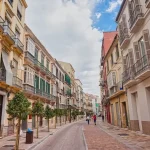
📷 Featured image by Yanhao Fang on Unsplash.