On this page
- Spain’s High-Speed Rail Revolution: AVE and Beyond
- Metro Systems That Actually Work: City Navigation Made Simple
- Intercity Buses: The Budget Traveller’s Best Friend
- Digital Ticketing and Payment Systems in 2026
- Airport Connections That Don’t Break the Bank
- Regional Rail Networks: Your Gateway to Small Towns
- Money-Saving Transport Passes and Discount Cards
- Common Transport Mistakes (And How to Avoid Them)
- Frequently Asked Questions
Spain’s transport network has transformed dramatically since the pandemic, with new high-speed operators, digital ticketing systems, and evolving government subsidies creating both opportunities and confusion for travellers in 2026. Whether you’re racing between Madrid and Barcelona on the AVE or navigating the Barcelona metro’s new contactless system, understanding the current landscape can save you both time and money.
Spain’s High-Speed Rail Revolution: AVE and Beyond
The liberalisation of Spain’s high-speed rail market has fundamentally changed how you travel between major cities. Renfe no longer holds a monopoly, and the competition is fierce enough that you can often find genuine bargains if you know where to look.
Renfe AVE: The Established Giant
Renfe’s AVE network remains the gold standard for comfort and punctuality. The sleek trains glide through the Spanish countryside at speeds up to 310 km/h, making the 621-kilometre journey from Madrid to Barcelona in just 2 hours and 30 minutes. The gentle hum of the air conditioning and the barely perceptible sway as you cross the Aragón plains create an almost meditative travel experience.
Ticket pricing follows a dynamic model that rewards advance booking. For the Madrid-Barcelona route, expect to pay €45-€85 for Básico class, €60-€110 for Elige, and €90-€160 for Prémium. The Elige class offers the best value for most travellers, providing seat selection and one free change without the premium meal service you may not need.
Luggage policies are generous compared to airlines: three pieces totalling 25 kg with combined dimensions of 290 cm. Your largest piece can measure up to 85×55×35 cm, easily accommodating most suitcases.
Ouigo: The Budget Disruptor
French operator Ouigo has brought genuine low-cost travel to Spanish high-speed rail. Their bright pink and blue trains offer the same speed as AVE but with a no-frills approach. Routes include Madrid-Barcelona, Madrid-Valencia, and Madrid-Alicante, with tickets starting as low as €9 when booked well in advance.

The trade-offs are real: stricter luggage limits (one cabin bag plus one checked bag), no food service, and departure from less central stations in some cities. However, for budget-conscious travellers, the savings can be substantial.
Iryo: The Premium Alternative
Iryo positions itself between Renfe’s mid-range and premium offerings. Their modern trains feature excellent WiFi, comfortable seating, and competitive pricing on routes including Madrid-Barcelona, Madrid-Valencia, Madrid-Seville, and Madrid-Málaga. The onboard experience feels notably more contemporary than Renfe’s older rolling stock, with USB charging ports at every seat and a colour scheme that feels distinctly un-Spanish.
Metro Systems That Actually Work: City Navigation Made Simple
Spain’s metro systems have undergone significant digital transformation since 2024, with contactless payments now widely accepted and paper tickets becoming increasingly rare.
Madrid Metro: Europe’s Underground Marvel
The Madrid Metro spans 294 stations across 13 lines, making it one of Europe’s largest networks. The system’s efficiency becomes apparent during rush hour, when trains arrive every 3-4 minutes and the platforms never feel uncomfortably crowded despite carrying over 600 million passengers annually.
The Tarjeta Multi remains your key to the network, costing €2.50 to purchase and rechargeable at any station. Single tickets cost €1.50-€2.00 depending on distance within Zone A. The 10-trip Metrobús at €12.20 offers the best value for short stays, working out to just €1.22 per journey.
Airport connections require the €3.00 supplement, making your total cost €4.50-€5.00 to reach central Madrid from Barajas Airport. The journey takes about 20 minutes to Nuevos Ministerios, where you can connect to multiple metro lines.
Barcelona Metro: The T-mobilitat Revolution

Barcelona’s transport authority TMB completed its transition to the T-mobilitat card system in 2025, eliminating most paper tickets. The new system is personal and non-transferable, requiring each traveller to have their own card.
Single tickets cost €2.55 for Zone 1, while the T-Casual 10-trip card costs €12.15. The T-Usual monthly pass at €21.30 represents exceptional value if you’re staying longer than two weeks and using public transport daily.
The airport connection via L9 Sud requires a special €5.50 ticket, as regular T-Casual and T-Usual cards are not valid. This policy catches many visitors off guard, so plan accordingly when arriving at El Prat.
Regional Metro Networks
Valencia’s Metrovalencia, Seville’s Metro, and Bilbao’s Metro all offer efficient urban transport. Valencia’s system connects seamlessly to the airport, while Bilbao’s Barik card works across the entire Biscay region, including buses and the historic tram line.
Intercity Buses: The Budget Traveller’s Best Friend
Spain’s intercity bus network reaches virtually every corner of the country, often serving destinations that trains cannot. The modern coaches offer surprising comfort, with WiFi, power outlets, and air conditioning standard on most routes.
ALSA dominates the market with its distinctive blue and white coaches, operating routes from the Pyrenees to Andalusia. The Madrid-Valencia route takes 4-5 hours but costs just €25-€40, less than half the price of AVE. Advance booking through www.alsa.es often yields significant discounts.
Avanza Bus serves central and western Spain effectively, while Socibus specialises in Madrid-Andalusia connections. The Madrid-Granada route costs €20-€35 and takes about 4.5 hours, making it an attractive alternative to the longer train journey that requires connections.
Luggage policies are generally more generous than airlines, with one checked bag included and additional pieces costing €3-€10. The gentle rumble of the engine and glimpses of olive groves through tinted windows create a distinctly Spanish travel experience that many prefer to sterile train carriages.

Digital Ticketing and Payment Systems in 2026
The Spanish transport sector has embraced digital transformation more successfully than many European countries. Mobile ticketing is now the norm rather than the exception, with physical tickets becoming increasingly rare.
The official Renfe app handles all train bookings, from AVE to Cercanías, with mobile tickets displaying QR codes that work seamlessly with station barriers. The app’s user interface received a major overhaul in 2025, making it significantly more intuitive for international visitors.
Metro systems in Madrid and Barcelona now accept contactless bank card payments for single journeys, eliminating the need to purchase transport cards for short visits. Simply tap your debit or credit card on the reader, and the system calculates the appropriate fare.
BlaBlaCar remains popular for intercity carpooling, with drivers setting their own prices that typically undercut public transport fares. A Madrid-Valencia shared ride costs €15-€25, about half the bus fare, though schedule flexibility is limited.
Airport Connections That Don’t Break the Bank
Spanish airports offer multiple public transport options that cost significantly less than taxis while maintaining reasonable journey times.
Madrid-Barajas: Multiple Affordable Options
The Metro Line 8 connects all terminals to central Madrid for €4.50-€5.00 total, including the airport supplement. The 20-minute journey to Nuevos Ministerios provides onward connections throughout the city.
Cercanías trains from Terminal 4 reach Atocha station in 25 minutes for just €2.60, making this the most economical option if you’re heading to southern Madrid or catching an onward train.
The Airport Express Bus operates 24/7 between all terminals and Atocha/Cibeles for €5.00. Night service proves invaluable for late arrivals when metro frequency drops.
Barcelona-El Prat: Premium Connections
The Aerobús express service costs €6.75 but delivers you directly to Plaça Catalunya in 35 minutes, avoiding the transfers required by metro connections. The buses run every 5-10 minutes during peak hours, with comfortable seating and luggage racks.

Metro L9 Sud requires the special €5.50 airport ticket and takes about 30 minutes to Zona Universitària, where you must transfer to reach central Barcelona. The additional transfer adds 10-15 minutes to your total journey time.
Regional Rail Networks: Your Gateway to Small Towns
Spain’s Media Distancia and Cercanías networks provide essential connections to smaller cities and towns that high-speed rail bypasses. These services often represent the most affordable way to explore Spain’s diverse regions.
The Madrid-Toledo route via Avant high-speed service costs approximately €14 and takes just 33 minutes, making it perfect for day trips to the former Spanish capital. The sleek trains pull into Toledo’s modern station, from where the medieval city centre is a short uphill walk.
Cercanías networks operate in all major metropolitan areas, with frequent services connecting city centres to airports, beaches, and suburban destinations. Madrid’s C-4 line reaches El Escorial in 47 minutes for under €3, while Barcelona’s R1 line connects the city to Sitges beach resort in 40 minutes.
Government subsidies for multi-trip Cercanías and Media Distancia passes, introduced during 2022-2024, may continue into 2026 depending on policy decisions. These subsidies can reduce costs by up to 100% for frequent users, making regular travel extremely affordable.
Money-Saving Transport Passes and Discount Cards
Understanding Spain’s various discount schemes can generate substantial savings, particularly for longer stays or frequent travel.
The Tarjeta Dorada costs just €6 annually but provides 25-40% discounts on train travel for passengers over 60 or those with certified disabilities. The card pays for itself with a single Madrid-Barcelona journey.
The Carné Joven offers 20-25% train discounts for travellers aged 14-25, while large families (familia numerosa) qualify for specific reductions on most transport modes.

Tourist travel passes in Madrid and Barcelona provide unlimited transport for set periods. Madrid’s Zone A pass costs €8.40 for one day, rising to €35.40 for seven days. These passes prove economical if you’re making 3-4 journeys daily.
2026 Budget Reality
Budget Range (per day):
Local transport: €3-6
Intercity buses: €20-35 for 300-400km routes
Regional trains: €10-25 for medium distances
Mid-Range:
Local transport with day passes: €8-15
AVE advance booking: €45-85 for major routes
Airport connections: €5-7
Comfortable:
AVE flexible tickets: €90-160
Taxi airport transfers: €30-35
First-class regional trains: €25-45
Common Transport Mistakes (And How to Avoid Them)
Many visitors make predictable errors that cost time and money. Learning from others’ mistakes can smooth your Spanish transport experience considerably.
The most expensive mistake is booking high-speed trains at the last minute. AVE prices can triple for same-day travel compared to advance bookings. Book 2-4 weeks ahead for the best prices, especially during peak periods like Easter, summer, or Spanish national holidays.
Assuming all transport cards work everywhere leads to frustration. Barcelona’s T-Casual doesn’t work on the airport metro line, Madrid’s metro cards don’t work on buses, and each city has its own system. Research your specific destination’s transport integration before arriving.
Underestimating journey times for bus travel causes missed connections. Spanish intercity buses make frequent stops and face traffic delays, especially around major cities. Allow extra time, particularly for Madrid and Barcelona routes during peak hours.
Ignoring luggage restrictions on low-cost operators like Ouigo can result in surprise fees. Check baggage policies carefully, as they’re significantly more restrictive than traditional train services.
Failing to validate paper tickets where required still results in fines, despite increasing digitalisation. Some regional bus services and older metro systems still require manual validation.
Frequently Asked Questions
Do I need to book train tickets in advance?
For high-speed trains (AVE, Ouigo, Iryo), advance booking is essential for reasonable prices. Regional trains and commuter services don’t require reservations, but advance booking can secure discounts on some routes.

Can I use contactless cards on all Spanish public transport?
Major metro systems in Madrid and Barcelona accept contactless payments for single journeys in 2026. However, buses and regional transport networks may still require specific transport cards or mobile tickets.
What’s the cheapest way to travel between Spanish cities?
Intercity buses typically offer the lowest fares, followed by advance-booked regional trains. BlaBlaCar carpooling can be even cheaper but offers less schedule flexibility and availability.
Are Spanish trains always punctual?
AVE high-speed trains maintain excellent punctuality rates above 95%. Regional trains and buses are generally reliable but can face delays during peak hours or adverse weather conditions.
How do airport transport costs compare to taxis?
Public transport to Spanish airports typically costs €3-7 compared to €30-35 for taxis. Journey times are often comparable, making public transport an excellent value proposition for most travellers.
Explore more
Navigating Spain’s Public Transport: A First-Timer’s Handbook
Spain Train Travel: Your Complete Guide to Renfe and AVE
AVE Spain: Is High-Speed Rail Worth the Cost for Your Itinerary?
Buying Renfe Tickets Online: A Step-by-Step Guide for Tourists
Renfe vs. AVE: Choosing the Right Train for Your Spanish Journey
Mastering the Madrid Metro: Essential Tips for Visitors
Barcelona Metro & Bus: Your Local’s Guide to City Transport
Spain Airport Transfers: Stress-Free Travel from Landing to Hotel
How to Get from Madrid Airport to City Center: All Your Options
Public Transportation in Spain: Metro, Bus, and Tram Explained
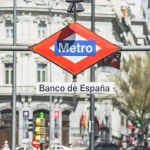
📷 Featured image by Markus Winkler on Unsplash.