On this page
- Northern Coast: Asturias’ Dramatic Coastline and Cider Culture
- Inland Andalusia: Córdoba Province’s White Village Circuit
- Central Spain: Cuenca’s Hanging Houses and Medieval Streets
- Eastern Valleys: Teruel’s Mudéjar Architecture and Jamón Empire
- Atlantic Coast: Cádiz Province’s Seaside Towns and Sherry Triangle
- Mountain Escapes: León Province’s Picos de Europa Gateway Towns
- Island Alternatives: La Palma’s Volcanic Landscapes and Star-Gazing
- Budget Breakdown: What These Hidden Gems Actually Cost in 2026
- Day Trip or Overnight? Planning Your Regional Adventures
- Frequently Asked Questions
💰 Click here to see Spain Budget Breakdown
💰 Prices updated: August, 2026. Budget figures are estimates — always verify before travel.
Exchange Rate: $1 USD = €0.86
Daily Budget (per person)
Shoestring: €50.00 – €90.00 ($58.14 – $104.65)
Mid-range: €90.00 – €180.00 ($104.65 – $209.30)
Comfortable: €220.00 – €450.00 ($255.81 – $523.26)
Accommodation (per night)
Hostel/guesthouse: €15.00 – €50.00 ($17.44 – $58.14)
Mid-range hotel: €70.00 – €130.00 ($81.40 – $151.16)
Food (per meal)
Budget meal: €7.00 ($8.14)
Mid-range meal: €25.00 ($29.07)
Upscale meal: €80.00 ($93.02)
Transport
Single metro/bus trip: €1.50 ($1.74)
Monthly transport pass: €30.00 ($34.88)
Spain’s tourism boom has reached a tipping point in 2026. Barcelona’s city center now caps daily visitors, Madrid’s museums require advance booking months ahead, and Seville’s April hotels hit €400 per night. Yet beyond these crowded headlines lies the Spain most travelers never discover — provincial capitals with world-class museums, coastal towns where locals still outnumber tourists, and mountain villages where you’ll hear more Spanish than English. These regional gems offer the authentic experiences that the big cities have priced out.
Northern Coast: Asturias’ Dramatic Coastline and Cider Culture
Oviedo anchors Spain’s best-kept coastal secret. This elegant provincial capital sits 30 kilometers inland from beaches that rival San Sebastián’s beauty without the summer crowds. The pre-Romanesque churches scattered around the city center earned UNESCO protection for good reason — these 9th-century buildings represent Europe’s most complete collection of early medieval architecture.
The real draw lies in Asturias’ coastal towns. Llanes combines a working fishing port with 30 pristine beaches along a 15-kilometer stretch. The old quarter’s cobblestone streets lead to the harbor, where the morning fish auction still draws locals at 6 AM. The sound of seagulls mixing with rapid-fire Spanish creates an atmosphere that feels authentically maritime.
Ribadesella offers something unique in Spain — a town built around river sports. The Sella River meets the Atlantic here, creating perfect conditions for canoeing. Every August, thousands paddle the 20-kilometer descent from Arriondas, but the rest of the year belongs to serious outdoor enthusiasts and those seeking quiet riverside walks.
Getting there requires planning. The AVE doesn’t reach Asturias, but ALSA buses connect Oviedo to Madrid (5.5 hours, €35-45) and run coastal routes between towns. Renting a car in Oviedo unlocks the region’s best beaches and mountain villages within an hour’s drive.

Inland Andalusia: Córdoba Province’s White Village Circuit
Córdoba city draws visitors for its Mezquita, but the province’s hill towns reveal Andalusia’s rural soul. Priego de Córdoba sits at the heart of Spain’s olive oil country, surrounded by silvery groves that stretch to the horizon. The town’s baroque churches and Renaissance fountains create one of Spain’s most photogenic main squares, yet most travelers rush past on their way to Granada.
Zuheros clings to a clifftop 50 kilometers southeast, its white-washed houses cascading down limestone walls. The village overlooks the Subbética mountains, where hiking trails wind through olive groves and almond orchards. In February, the almond blossoms transform the landscape into clouds of pink and white petals.
The smell of olive oil permeates everything here. Local cooperatives offer tastings where you’ll learn to distinguish between varieties — the peppery intensity of picual olives versus the fruity notes of hojiblanca. These aren’t tourist experiences but working facilities where farmers bring their harvest.
Base yourself in Lucena, the region’s transport hub. Regular buses connect to Córdoba city (1 hour, €8), while local services reach the smaller villages. Hotel Villa de Lucena offers comfortable rooms from €65 per night, with staff who speak enough English to help plan village-hopping routes.
Village-Hopping by Bus
Córdoba province’s rural bus network requires patience but rewards planning. The 09:30 departure from Lucena reaches Zuheros in 45 minutes, allowing a full morning of exploration before the 14:15 return. Pack lunch — village restaurants often close between services, and you’ll want to picnic overlooking the valleys anyway.
Central Spain: Cuenca’s Hanging Houses and Medieval Streets
Cuenca punches above its weight for a city of 55,000 residents. The hanging houses (casas colgadas) that dangle over the Huécar River gorge create Spain’s most dramatic urban skyline outside Toledo. But unlike Toledo’s tourist crowds, Cuenca maintains the rhythm of a working provincial capital where locals vastly outnumber visitors.

The medieval old town requires sturdy shoes and good lungs. Steep cobblestone streets wind between Gothic churches and Renaissance palaces, leading to viewpoints that reveal the full scope of the river canyons below. The contemporary art museum occupies one of the hanging houses, creating an unusual setting where avant-garde installations share space with 500-year-old timber beams.
Twenty kilometers northeast, the Ciudad Encantada (Enchanted City) showcases nature’s sculpture gallery. Limestone erosion has carved rock formations into recognizable shapes — elephants, ships, bridges spanning empty air. The site requires a full morning, with marked trails winding between the geological oddities.
Madrid’s Atocha station connects to Cuenca in 55 minutes via high-speed rail (€25-35), making it Spain’s most accessible hidden gem. The AVE drops you in Cuenca’s modern district, but city buses run every 20 minutes to the historic center.
Beyond the Hanging Houses
Cuenca province extends far beyond its capital. Alarcón’s parador occupies a genuine 8th-century castle overlooking the Júcar River, while Belmonte preserves one of Spain’s best-maintained medieval fortresses. These require a car to reach, but offer overnight stays in authentic historical settings without the premium prices of better-known castle hotels.
Eastern Valleys: Teruel’s Mudéjar Architecture and Jamón Empire
Teruel exists in Spain’s geographical dead zone — too far from Madrid, Valencia, and Barcelona to attract casual visitors. This isolation preserves one of Europe’s finest collections of Mudéjar architecture, where Islamic craftsmen working under Christian rule created a unique hybrid style.
The cathedral tower exemplifies this fusion — Gothic structure supporting geometric tile work in green, white, and brown patterns that catch the morning light. Similar towers rise throughout the old quarter, creating a skyline unlike anywhere else in Spain. The sound of church bells echoes differently here, bouncing off ceramic surfaces to create haunting harmonies.

Teruel province produces Spain’s finest jamón ibérico. The towns of Monreal del Campo and Calamocha house curing facilities where whole legs hang in mountain air for up to four years. Visiting these secaderos (drying sheds) reveals the science behind Spain’s most prized food product — altitude, humidity, and temperature controlled to develop the complex flavors that command €200 per kilogram in Madrid shops.
Getting to Teruel requires commitment. No high-speed rail reaches the province, but regular trains connect from Valencia (2.5 hours, €15-20) and Zaragoza (2 hours, €12-18). The journey itself rewards patient travelers with views of mountain landscapes that most visitors never see.
The Lovers of Teruel
Teruel’s medieval love story rivals Romeo and Juliet for tragic romance. The mausoleums of Diego and Isabel occupy the San Pedro church, where their alabaster effigies almost touch hands. Whether the 13th-century tale is historical fact or beautiful fiction matters less than its role in Teruel’s cultural identity — the city embraces its romantic heritage without commercializing it beyond recognition.
Atlantic Coast: Cádiz Province’s Seaside Towns and Sherry Triangle
Cádiz city gets overshadowed by Seville, but the province’s coastal towns offer Spain’s most authentic Atlantic experiences. El Puerto de Santa María combines working sherry bodegas with beaches that stretch for kilometers without development. The old quarter centers on the castle of San Marcos, where guided tours reveal 13th-century Moorish architecture adapted for Christian use.

Sanlúcar de Barrameda sits at the Guadalquivir River’s mouth, where Christopher Columbus and Magellan began their voyages of discovery. The upper town preserves ducal palaces and noble houses, while the beach district comes alive for summer horse races on the sand — a tradition dating to 1845 that continues every August.
The sherry triangle encompasses Jerez de la Frontera, El Puerto de Santa María, and Sanlúcar de Barrameda. Each town produces distinctive styles — Jerez for complex aged sherries, El Puerto for younger finos, Sanlúcar for manzanilla with its unique salty character. Bodega tours reveal centuries-old cellars where oak barrels form cathedral-like corridors, the air heavy with the sweet smell of aging wine.
Renfe’s regional trains connect all three sherry towns, with frequent service from Cádiz city (30-45 minutes, €4-6). The network makes it possible to visit multiple bodegas in a single day, though the alcohol content suggests limiting yourself to two serious tastings.
Manzanilla and Langostinos
Sanlúcar pairs its famous manzanilla sherry with langostinos (prawns) caught in the nearby Guadalquivir estuary. The combination is perfect — the wine’s mineral salinity complements the prawns’ sweetness. Local bars serve them simply grilled with coarse sea salt, accompanied by chilled manzanilla that tastes of ocean breezes.
Mountain Escapes: León Province’s Picos de Europa Gateway Towns
León city anchors northwest Spain with its Gothic cathedral and San Isidoro basilica, but the province’s mountain towns provide access to the Picos de Europa without Asturias’ coastal crowds. Ponferrada guards the western approach with its Templar castle, while smaller villages like Villafranca del Bierzo offer hiking bases surrounded by vineyard terraces.
The Bierzo wine region produces Spain’s most underrated reds from the Mencía grape. These mountain vineyards create wines with mineral complexity that reflects the slate and limestone soils. Bodegas like Descendientes de J. Palacios welcome visitors for tastings that reveal why Spanish wine experts consider Bierzo the country’s next great region.

Astorga combines Roman ruins with Gaudí architecture — the bishop’s palace represents the architect’s only work in northwest Spain. The cathedral museum houses one of Europe’s finest collections of medieval art, while the city’s position on the Camino de Santiago ensures good infrastructure for travelers.
ALSA buses connect León to Madrid (4 hours, €25-35) and reach most provincial towns. Renting a car in León city opens access to mountain villages and hiking trailheads within the Picos de Europa national park. Local tourist offices provide detailed maps and trail conditions in English.
Hiking the Picos
León province offers the Picos’ most accessible peaks. The cable car at Fuente Dé lifts hikers 750 meters in four minutes, providing instant access to high-altitude trails. From the upper station, marked paths lead to mountain refuges and summit viewpoints that reveal the Cantabrian range stretching to the Atlantic horizon.
Island Alternatives: La Palma’s Volcanic Landscapes and Star-Gazing
La Palma escapes the development that defines Tenerife and Gran Canaria. This northwestern Canary Island prioritizes environmental protection over mass tourism, resulting in hiking trails through laurel forests and volcanic landscapes that feel genuinely wild. The Caldera de Taburiente national park encompasses a massive volcanic crater ringed by peaks reaching 2,400 meters.
The island’s commitment to reducing light pollution earned it UNESCO recognition as a starlight reserve. The Roque de los Muchachos observatory houses some of Europe’s most advanced telescopes, taking advantage of clear skies that amateur astronomers can also enjoy. Organized stargazing tours operate year-round, revealing constellations invisible from mainland Spain.
Santa Cruz de La Palma preserves colonial architecture along narrow streets that lead to the harbor. The old quarter showcases wooden balconies and carved facades that reflect the island’s historical wealth from New World trade. Local restaurants serve traditional Canarian cuisine — papas arrugadas (wrinkled potatoes) with mojo sauces that vary from mildly spicy to volcanic heat.

Flights from Madrid reach La Palma in 2.5 hours (€120-200), with island buses connecting the airport to Santa Cruz and major towns. Renting a car unlocks the hiking trails and remote beaches that define the island’s character. Mountain roads require careful driving but reward visitors with landscapes that change from sea level to alpine conditions within an hour.
Budget Breakdown: What These Hidden Gems Actually Cost in 2026
Regional Spain delivers exceptional value compared to the major cities. While Barcelona averages €180 per night for decent hotels, these hidden gems offer comfortable accommodation, excellent meals, and cultural experiences at prices that haven’t inflated beyond reason.
Budget Range (€40-60 per day)
Hostel beds in regional cities cost €15-25 per night, with many offering private rooms for €35-45. Pension-style accommodation provides local character — family-run guesthouses where owners offer insider tips about their towns. Meals at local restaurants range from €8-12 for menú del día (daily set menus) that include three courses plus bread and wine.
Public transport remains affordable outside major cities. Regional buses rarely exceed €15 for journeys under three hours, while local city transport costs €1-2 per trip. Museum entries average €3-8, with many provincial museums offering free admission on certain days.
Mid-Range Comfort (€80-120 per day)
Three-star hotels in provincial capitals charge €65-85 per night for rooms that would cost double in Madrid or Barcelona. Rural hotels and casas rurales offer unique accommodations — converted monasteries, traditional farmhouses, wine estates with guest rooms. Dinner at quality restaurants costs €25-35 per person including local wines.

Car rental from regional cities averages €25-35 per day, opening access to villages unreachable by public transport. Fuel costs approximately €1.45 per liter, making day trips economical compared to guided tours.
Comfortable Exploration (€150+ per day)
Four-star hotels and luxury rural properties charge €120-180 per night, still significantly less than comparable accommodations in major tourist centers. High-end restaurants showcase regional specialties with tasting menus priced €45-65 per person. Private guides and specialized tours (wine tastings, cooking classes, nature walks) range from €50-100 per person.
This budget level allows spontaneous experiences — hiring local guides, upgrading to premium train seats, or staying extra nights when you discover a place worth extending your visit.
Day Trip or Overnight? Planning Your Regional Adventures
Most regional destinations require overnight stays to appreciate fully, but some work perfectly as day trips from major cities. Your choice depends on transport connections, personal interests, and travel pace.
Perfect Day Trips
Cuenca from Madrid exemplifies the ideal day trip — fast AVE connections, compact historic center, and major sights within walking distance. Early morning departure allows six hours of exploration before evening return trains. Toledo’s crowds make Cuenca the smarter choice for day-trippers seeking medieval atmosphere without tour groups.
Córdoba’s white villages work as day trips from the provincial capital. Buses reach Priego de Córdoba in 90 minutes, allowing morning exploration before afternoon return. Pack lunch — rural restaurants often close between transport schedules.
Definitely Overnight
Asturias requires minimum two nights to experience both coastal towns and mountain access. The region’s scattered attractions and limited transport demand patience that day-trippers can’t afford. Same applies to Teruel province — the journey alone justifies extended stays.

La Palma needs at least three nights. Island life operates on different rhythms, and rushing defeats the purpose of escaping mainland Spain’s intensity. Allow time for hiking, stargazing, and simply absorbing the volcanic landscape’s otherworldly beauty.
Planning Multi-Region Trips
Northern Spain lends itself to progressive discovery — start in León, move to Asturias, then explore the Basque coast. Each region builds on the previous, revealing how Spain’s regional identities remain distinct despite modern connectivity.
Southern circuits work equally well. Begin in Córdoba province’s white villages, continue to Cádiz’s sherry towns, then conclude in Seville or Granada. This approach reveals Andalusia’s diversity beyond the famous monuments, showing how geography and history created distinct local cultures within the broader region.
Book accommodations in advance for shoulder seasons (April-May, September-October) when weather is perfect but crowds manageable. Regional Spain’s limited tourist infrastructure can’t absorb sudden demand spikes like the major cities.
Frequently Asked Questions
Do I need a car to explore Spain’s regional destinations?
Not always, but it helps significantly. Cities like Cuenca and Córdoba connect well by public transport, but mountain towns and coastal villages often require cars for efficient exploration. Consider your interests — culture-focused trips work with buses and trains, while nature and village-hopping need wheels.
How much Spanish do I need for regional travel?
Basic Spanish proves essential outside major tourist zones. Download translation apps and learn key phrases for transport and dining. Regional Spain rewards linguistic effort — locals appreciate attempts to communicate in Spanish and often become more helpful than in areas accustomed to English-speaking tourists.
When is the best time to visit these hidden gems?
April through June and September through November offer ideal conditions — mild temperatures, fewer crowds, and better accommodation availability. August can be uncomfortably hot inland, while December through March limits mountain access and outdoor activities. Coastal areas remain pleasant year-round.
Are these destinations suitable for families with children?
Absolutely, often more so than crowded major cities. Regional destinations offer space for children to explore safely, affordable family accommodations, and cultural experiences without overwhelming sensory input. Beach towns like those in Asturias provide natural playgrounds, while mountain areas offer gentle hiking opportunities.
How do prices in regional Spain compare to major tourist cities in 2026?
Regional destinations typically cost 40-60% less than Barcelona, Madrid, or Seville for equivalent services. Hotel rooms, restaurant meals, and cultural activities maintain pricing that reflects local economies rather than international tourism demand. This makes extended stays financially feasible for most travelers.
Explore more
Bilbao City Guide: Art, Architecture, and Authentic Basque Cuisine
Zaragoza Uncovered: Why This Underrated Spanish City Deserves Your Visit
Murcia Travel Guide: Exploring Spain’s Sun-Drenched Southeastern Coast
Segovia Day Trip: Aqueducts, Alcázar & Roast Pig Perfection
Cádiz: Is Spain’s Oldest City Your Next Coastal Getaway?
Ronda Guide: How to Explore Andalusia’s Stunning Cliffside Town
Which Canary Island is Right for You? A Guide to Spain’s Atlantic Archipelagos
Balearic Island Hopping: Discovering Mallorca, Menorca & Ibiza’s Charm
Pueblos Blancos Road Trip: Driving Through Andalusia’s White Villages
Charming Basque Villages: Exploring Northern Spain’s Coastal & Inland Beauty
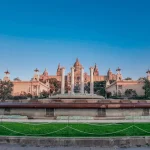
📷 Featured image by Shell Chapman on Unsplash.