On this page
- Valencia in 2026: What First-Timers Keep Getting Wrong
- The City of Arts and Sciences: More Than a Photo Stop
- The Old Town: Barrio del Carmen and the Cathedral Quarter
- Valencia’s Markets: Where the City Feeds Itself
- The Turia Gardens: 9 Kilometres of Green Running Through the City
- The Beach and Waterfront: What’s Changed Since 2024
- Paella Where It Actually Belongs
- Las Fallas: The Festival Museum and Year-Round Fire Culture
- Bioparc Valencia: A Zoo That Took a Different Approach
- Street Art and the Creative Side of Barrio del Carmen
- Day Trips from Valencia: Three That Are Actually Worth Your Time
- Nightlife and Ruzafa: Where Valencia Actually Goes After Dark
- Shopping in Valencia: Streets, Markets, and Ruzafa Boutiques
- Getting Around Valencia in 2026
- What Valencia Costs in 2026: A Realistic Budget Breakdown
- Best Time to Visit Valencia
- Practical Tips for First-Time Visitors to Valencia
- Frequently Asked Questions
💰 Click here to see Spain Budget Breakdown
💰 Prices updated: October, 2026. Budget figures are estimates — always verify before travel.
Exchange Rate: $1 USD = €0.88
Daily Budget (per person)
Shoestring: €60.00 – €90.00 ($68.18 – $102.27)
Mid-range: €120.00 – €180.00 ($136.36 – $204.55)
Comfortable: €220.00 – €470.00 ($250.00 – $534.09)
Accommodation (per night)
Hostel/guesthouse: €15.00 – €50.00 ($17.05 – $56.82)
Mid-range hotel: €70.00 – €130.00 ($79.55 – $147.73)
Food (per meal)
Budget meal: €7.00 ($7.95)
Mid-range meal: €25.00 ($28.41)
Upscale meal: €80.00 ($90.91)
Transport
Single metro/bus trip: €3.00 ($3.41)
Monthly transport pass: €24.00 ($27.27)
Valencia in 2026: What First-Timers Keep Getting Wrong
Most people arrive in Valencia thinking they’ll squeeze it in between Barcelona and Madrid. They book two nights, eat paella near the cathedral (a mistake), and leave thinking they’ve seen it. They haven’t. Valencia is Spain’s third-largest city, and in 2026 it’s moving fast — new metro extensions, a booming digital nomad scene, and a waterfront that’s been steadily reinventing itself since the America’s Cup years. The tourist tax (tasa turística) now applies city-wide at €2.50 per person per night, introduced in late 2025, so factor that into your budget. Give Valencia at least four days. Here’s what to do with them.
The City of Arts and Sciences: More Than a Photo Stop
Santiago Calatrava’s futuristic complex at the eastern end of the Turia Gardens is Valencia’s most iconic set of buildings — and also one of the most misunderstood. Most visitors walk the outside, snap photos, and leave. That’s a waste.
- L’Oceanogràfic is the largest aquarium in Europe. The underwater tunnel through the shark tank is genuinely disorienting in the best way — blue light, silence, and a hammerhead drifting directly overhead.
- L’Hemisfèric shows IMAX and planetarium films. Book in advance online; same-day tickets sell out by noon in high season.
- El Museu de les Ciències Príncep Felip is an interactive science museum best suited to families or curious adults. The temporary exhibitions in 2026 have leaned heavily into climate science.
- El Palau de les Arts Reina Sofía is Valencia’s opera house. Tickets start around €15 for some performances and the acoustics are exceptional.
Combined tickets for L’Oceanogràfic and the science museum run around €38 in 2026. Going at dusk, when the buildings reflect in the surrounding pools, is worth timing your visit around.
The Old Town: Barrio del Carmen and the Cathedral Quarter
Ciutat Vella — Valencia’s old city — is compact enough to walk in a morning but rewarding enough to spend two days in. The two key areas are the Cathedral quarter to the east and Barrio del Carmen to the northwest.
The Valencia Cathedral and Miguelete Tower
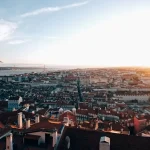
The cathedral itself is a mix of Gothic, Baroque, and Romanesque styles built over several centuries. Inside, the Capilla del Santo Cáliz claims to hold the Holy Grail — whether you believe that or not, the medieval chalice on display is genuinely beautiful. Climb the Miguelete bell tower (207 steps, tight spiral staircase) and you come out onto a rooftop platform with a 360-degree view over the terracotta roofscape. Entry to the tower is around €3. Go early — the light on the old city at 9am is extraordinary, with church bells starting their slow echo across the streets below.

Plaza de la Virgen and Plaza de la Reina
These two connected squares form the heart of tourist Valencia. Plaza de la Virgen is quieter, with the Basílica de la Mare de Déu dels Desemparats on one side and the cathedral apse on the other. Sit on the fountain steps and watch the locals cycle past. Plaza de la Reina is busier, lined with café terraces and orange trees.
Barrio del Carmen
The Carmen neighbourhood runs northwest of the cathedral into a tangle of medieval lanes filled with independent bars, vintage shops, and more street art per square metre than anywhere else in the city. It feels lived-in rather than polished. The Torres de Serrans and Torres de Quart are two surviving medieval city gates — both free to enter on Sundays and worth climbing for the views.
Valencia’s Markets: Where the City Feeds Itself
Valencia has three markets that every visitor should know, and they serve completely different purposes.
Mercado Central
One of the largest covered markets in Europe, housed in a stunning 1928 Art Nouveau building opposite the Lonja de la Seda. The smell hits you at the entrance — fresh citrus, cured meat, fish on ice. Over 900 stalls sell produce, cheese, olives, smoked fish, and fresh vegetables. Come between 9am and noon on a weekday when it’s busiest but not yet tourist-swamped. This is where Valencia’s restaurants source their ingredients.
Mercado de Colón
A few blocks east in the Eixample district, this 1916 market building has been converted into an upscale food hall. It’s more café than market now — good for breakfast or a glass of vermouth at one of the interior stalls. The architecture alone (Modernista ironwork and ceramic tiles) makes the walk worthwhile.
Mercado de Ruzafa
The neighbourhood market in Valencia’s coolest barrio. Smaller, less famous, and exactly where you go if you want to buy local produce without tour groups. Open weekday mornings.

The Turia Gardens: 9 Kilometres of Green Running Through the City
In 1957, a catastrophic flood prompted the city to divert the Turia River away from its original course. Instead of building a motorway on the dry riverbed (which was the original plan), Valencia converted it into a linear park stretching from the western hills to the City of Arts and Sciences. In 2026, it remains one of the best urban parks in Europe.
You can walk, run, or cycle the entire length. Bike rental stations (Valenbisi, the city scheme) are dotted along the route. The gardens pass through playgrounds, football pitches, rose gardens, under Roman-era bridges, and past the Gulliver Park — a giant Gulliver figure pinned to the ground that kids climb on. It connects almost every major sight in the city in one green corridor.
The section near Bioparc at the western end is the most peaceful. The section near the City of Arts and Sciences has the best architecture. For a first visit, cycling the full length takes about 45 minutes at a relaxed pace.
The Beach and Waterfront: What’s Changed Since 2024
Playa de la Malvarrosa stretches several kilometres north of the port and is Valencia’s main city beach. Wide, sandy, and easily reached by tram from the centre (line 4 or 6, around 20 minutes). In 2025, the northern end of the beach was significantly cleaned up and new shower and changing facilities were installed. It’s not the prettiest beach in Spain but it’s genuinely good for a city beach — the water is clean, the sand is wide, and there are proper beach bars (chiringuitos) serving cold Agua de Valencia cocktails.
The port district (El Grau) has been developing steadily since the America’s Cup left. The Marina de Valencia now has a proper waterfront promenade with restaurants and a Friday evening food market that runs from April through October. This area has a gritty, working-port feel that’s slowly becoming an asset rather than an eyesore.
Paella Where It Actually Belongs
Valencia invented paella, and eating it anywhere other than its home city is a diminished experience. But where you eat it in Valencia matters enormously.
The restaurants near the Cathedral are almost universally tourist traps. Instead, head to these specific areas:
- La Pepica on Paseo de Neptuno (beachfront) — open since 1898, reportedly a Hemingway favourite. Traditional Valencian paella at around €18–22 per person. Book ahead on weekends.
- El Palmar village, 20 minutes south in the Albufera lake district — this is where paella originates. A dozen family restaurants serve it straight from the wood-fire pan, around rice paddies. Lunch only, Sunday is the best day.
- Ruzafa neighbourhood has several good modern paella restaurants that do creative variations on the original — worth trying if you want something beyond the classic.

One rule: genuine Valencian paella is made with chicken, rabbit, and green beans. No seafood, no chorizo. What you’ll see in tourist menus as “traditional” often isn’t. Valencia’s regional government has a certified “paella valenciana” seal that some restaurants now display — look for it.
Las Fallas: The Festival Museum and Year-Round Fire Culture
Las Fallas — held every March — is one of the loudest, most chaotic festivals in Europe. Enormous satirical sculptures (the fallas) are built over months and then burned on the night of 19 March. If you’re visiting in March, nothing else matters — book accommodation at least six months ahead, prices triple, and the city runs on sleep deprivation and gunpowder smoke.
If you’re visiting outside March, the Museu Faller (Fallas Museum) in the Monteolivet district shows the one winning falla sculpture saved from the flames each year, alongside historical ninots (individual figures). It’s a genuinely fascinating place — some of the preserved figures are extraordinary works of art. Entry is around €3.
Year-round, you’ll also find the Fallas casals — the neighbourhood workshops where next year’s figures are built. Several in the Benimaclet and Quatre Carreres districts open their doors for visits. Ask at the tourist office for current access.
Bioparc Valencia: A Zoo That Took a Different Approach
On the western end of the Turia Gardens, Bioparc Valencia opened in 2008 and has since won awards for its immersive habitat design. The concept is “zoo-immersion” — no visible bars or fences separating visitors from animals. You walk through recreated African savannah, equatorial forest, and wetland environments. Flamingos wade in open water alongside the path. Gorillas watch you from a few metres away with what feels like genuine curiosity.
Entry in 2026 is around €24 for adults, €17 for children. It takes at least three hours to cover properly. The feeding sessions (lions, sea lions) are scheduled and free with entry — check the board at the entrance for times. It’s excellent for families but also worth it for adults who’ve grown tired of traditional zoos.
Street Art and the Creative Side of Barrio del Carmen

Valencia has one of Spain’s best street art scenes, concentrated in Carmen and spreading into Ruzafa. The alleyways around Calle Alta and Calle Baja — the two main arteries through Carmen — are covered in murals ranging from political commentary to pure colour. The city has invested in legal wall spaces since 2023, meaning the quality has risen sharply.
The best way to see it is to get lost — no app needed. Start at Torres de Quart, walk east toward the Mercado Central, and take every side street. Calle del Museu, Calle de la Bolsería, and the streets around Plaza del Tossal are particularly dense with work. Several local street art walking tours depart from Plaza del Ayuntamiento at 10am on weekends (around €15, book online).
Day Trips from Valencia: Three That Are Actually Worth Your Time
Albufera Natural Park
Twenty kilometres south of the city, the Albufera is a freshwater lagoon surrounded by rice paddies — the birthplace of Valencian paella. Take a bus from Avenida del Puerto (around 30 minutes), hire a small boat on the lake, and eat lunch in El Palmar village. Half a day is enough; a full day is better if you want to walk the rice field paths.
Xàtiva
60 kilometres south by train (30 minutes, around €5), Xàtiva is a medieval hill town with a ruined castle stretching along a ridge above the rooftops. The views over the orange grove plains below are excellent. The old town centre has a good market on Tuesdays and Fridays. Easily done in a day.
Peñíscola
120 kilometres north by bus or car (around 1.5 hours), Peñíscola is a medieval walled town on a rocky peninsula jutting into the sea. The castle and old town are genuinely dramatic — it was used as a filming location for Game of Thrones. The beaches on either side of the promontory are some of the best on the Valencian coast. A long day trip or an overnight.
Nightlife and Ruzafa: Where Valencia Actually Goes After Dark
Ruzafa — the neighbourhood immediately south of the old Renfe train station — is Valencia’s undisputed nightlife and culture hub in 2026. It’s been building for a decade and shows no signs of slowing down.
The neighbourhood works in layers. From 6pm, the bar terraces on Calle Cadiz and Calle Dénia fill with vermouth drinkers and early diners. By 9pm the restaurants are full. By midnight the music bars open and the streets get louder. By 2am the clubs on the southern edge of the neighbourhood take over.

Key spots include: Ubik Café (bookshop-bar hybrid with live music), the cluster of cocktail bars around Calle del Puerto Rico, and the rooftop terrace at the Casual Ruzafa hotel which is open to non-guests on weekends. For live music, Jimmy Glass Jazz Bar near the Mercado Central is a Valencia institution — small, sweaty, and exceptional.
The Carmen neighbourhood is better for earlier evenings — drinking on the medieval street terraces until midnight before heading to Ruzafa or the clubs near the port.
Shopping in Valencia: Streets, Markets, and Ruzafa Boutiques
Valencia’s main commercial street is Calle Colón, running east from the old town into the Eixample. It’s a mix of Spanish high street chains (Zara, Mango, El Corte Inglés at the far end) and is busy on Saturday mornings. Not particularly distinctive but efficient.
For more interesting shopping:
- Ruzafa has Valencia’s best concentration of independent boutiques, vintage shops, design studios, and concept stores. Calle Dénia and Calle Literato Azorín are the main retail streets.
- El Rastro, Valencia’s Sunday flea market, runs along Calle San Ramón near the River Turia on Sunday mornings — second-hand clothes, old books, vinyl, and antiques.
- Barrio del Carmen has several good vintage and artisan shops scattered through its lanes, particularly around Plaza del Tossal.
For ceramics — Valencia has a long tradition of hand-painted tiles and pottery — the best shops are in the old town around Calle de la Paz and near the Mercado Central.
Getting Around Valencia in 2026
Valencia is a very walkable city in its centre, and the Turia Gardens make cycling genuinely practical. Here’s how the transport system breaks down:
- Metro: Nine lines cover the wider city. In late 2025, the extension of Line 10 connected the port area to the city centre more directly — useful if you’re staying near the beach. A single fare is €1.50; a 10-trip card (T-10) is €10 and works on metro, buses, and trams.
- Tram: Lines 4, 6, and 8 connect the city centre to the beach and port district. Highly recommended over taxis for beach days.
- Valenbisi bike share: Over 275 stations across the city. Tourist subscriptions (7 days) cost €13.30. First 30 minutes of each ride free.
- Airport transfer: Metro Line 3 and Line 5 connect Valencia Airport to the city centre in around 25 minutes for €5.90 (airport surcharge included). No need for taxis unless you have a lot of luggage.
- Taxis and ride-share: Cabify is widely used. A city-centre to airport trip costs around €18–22.

What Valencia Costs in 2026: A Realistic Budget Breakdown
Valencia remains one of Spain’s better-value cities for visitors, though prices have risen noticeably since 2023.
- Budget traveller (hostel, self-catering, free attractions): €55–75 per day including accommodation, the tourist tax, and meals at local menú del día restaurants (€11–14 for three courses with wine).
- Mid-range (3-star hotel, restaurant lunches and dinners, paid attractions): €120–170 per day. A proper paella lunch for two at a good restaurant runs €40–50 total. Museum entry fees are low (most under €5).
- Comfortable (4-star hotel, rooftop bars, good restaurants, guided experiences): €200–280 per day. L’Oceanogràfic plus the science museum runs around €38. Dinner at a good Ruzafa restaurant for two with wine is typically €60–90.
The tourist tax of €2.50 per person per night is on top of all accommodation prices in 2026. A four-night stay adds €10 per person to your total bill.
Best Time to Visit Valencia
Valencia has around 300 days of sunshine per year and a genuinely mild climate. That said, not all months are equal.
- March: Las Fallas. Extraordinary if you want the festival; book six months ahead or don’t bother. Prices spike violently.
- April–June: Best overall. Warm (18–26°C), low humidity, beaches beginning to open, prices reasonable. The orange blossom smell on warm evenings in April is unlike anything else.
- July–August: Hot (often 32–36°C), humid near the coast, very busy. Beach season at full capacity. Still enjoyable but plan museum visits for morning hours.
- September–October: Excellent. The heat breaks, the tourists thin out, and the city returns to its normal rhythm. October is arguably the best single month to visit.
- November–February: Mild (12–17°C), quiet, cheap. Some beach restaurants close. Good for city exploration and very easy on the wallet.
Practical Tips for First-Time Visitors to Valencia
- Language: Valencia is bilingual — Valencian (a dialect of Catalan) and Spanish are both official. Street signs are often in Valencian. Spanish works everywhere without issue; a few words of Valencian will delight locals.
- Tipping: Not mandatory. Rounding up or leaving €1–2 on a café bill is normal. In restaurants, 5–10% for good service is generous but genuinely appreciated.
- Siesta hours: Many small shops and some restaurants close between 2pm and 5pm. Plan museum and attraction visits for the morning or late afternoon.
- Tap water: Safe to drink but has a slightly mineral taste in central Valencia. Most locals drink bottled water; it’s cheap (€0.50 for 1.5 litres in supermarkets).
- SIM cards: Buy at the airport or any phone shop (locutorio). Orange, Vodafone, and Yoigo have good tourist data plans from around €10–15 for 10GB. EU roaming rules mean most European visitors won’t need one.
- Safety: Valencia is generally safe. Pickpocketing in tourist areas (Mercado Central, Cathedral surroundings) is the main risk — keep bags in front of you in crowds.
- Sunscreen: Even in shoulder season, the Valencia sun is strong. The combination of sea reflection and clear skies means sunburn is faster than most visitors expect.

Frequently Asked Questions
How many days do you need in Valencia?
Four days is the realistic minimum to cover the main sights without rushing. Three days works if you skip day trips. Two days is possible for a highlights-only visit but you’ll leave feeling like you missed something. A week lets you explore properly, including Albufera and a day trip to Xàtiva.
Is Valencia worth visiting in 2026?
Yes — and more so than a few years ago. The city has invested significantly in its waterfront, transport network, and cultural scene. It’s still less crowded than Barcelona and less expensive. The City of Arts and Sciences, Ruzafa, and the food scene alone justify the trip. It’s one of Spain’s most underrated destinations for first-timers.
What is the best area to stay in Valencia?
Barrio del Carmen or the Cathedral quarter for first-timers who want to walk everywhere. Ruzafa for travellers who prioritise nightlife and independent restaurants. Near the beach (Malvarrosa) for families with children. The old town is the most central and convenient base for a first visit, with accommodation across all budget levels.
Is Valencia expensive compared to other Spanish cities?
No — Valencia is notably cheaper than Barcelona and slightly cheaper than Madrid for accommodation and restaurants. A three-course menú del día lunch with wine typically costs €11–14. The new tourist tax (€2.50 per night, introduced late 2025) adds a small amount but overall daily costs remain lower than Spain’s two biggest cities.
When is Las Fallas in Valencia and should I plan my trip around it?
Las Fallas runs from 1–19 March, with the main burning night (La Cremà) on 19 March. It’s one of Europe’s great festivals — genuinely unmissable if you can handle noise, crowds, and fireworks at 2am. Book accommodation at least six months ahead; prices can triple during the festival. Outside Las Fallas, the Museu Faller offers year-round insight into the tradition.
Explore more
The Ultimate Guide to Valencia’s Best Bars and Clubs
📷 Featured image by Rafael Hoyos Weht on Unsplash.